
Last updated October 15, 2026
 Sweep & inspection
 Caps & crowns
 Flue relining
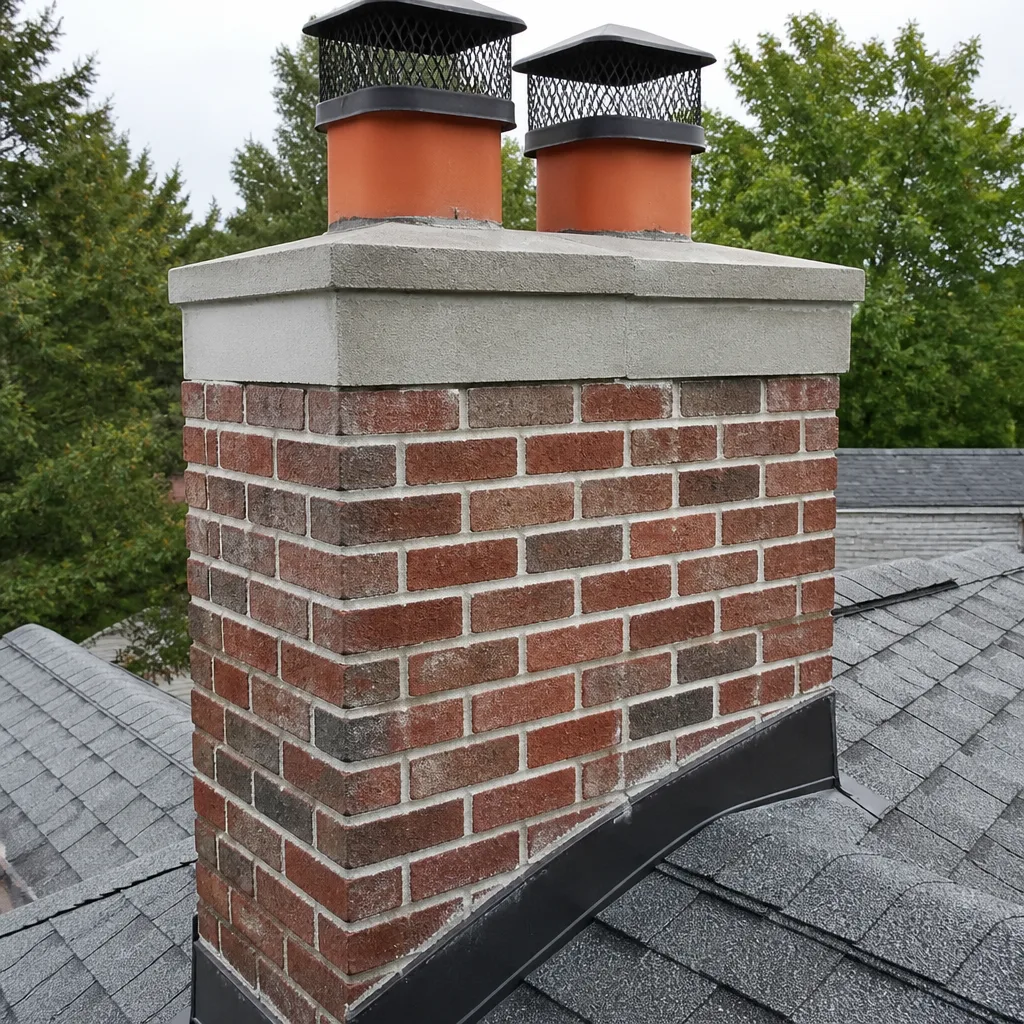 Masonry repair
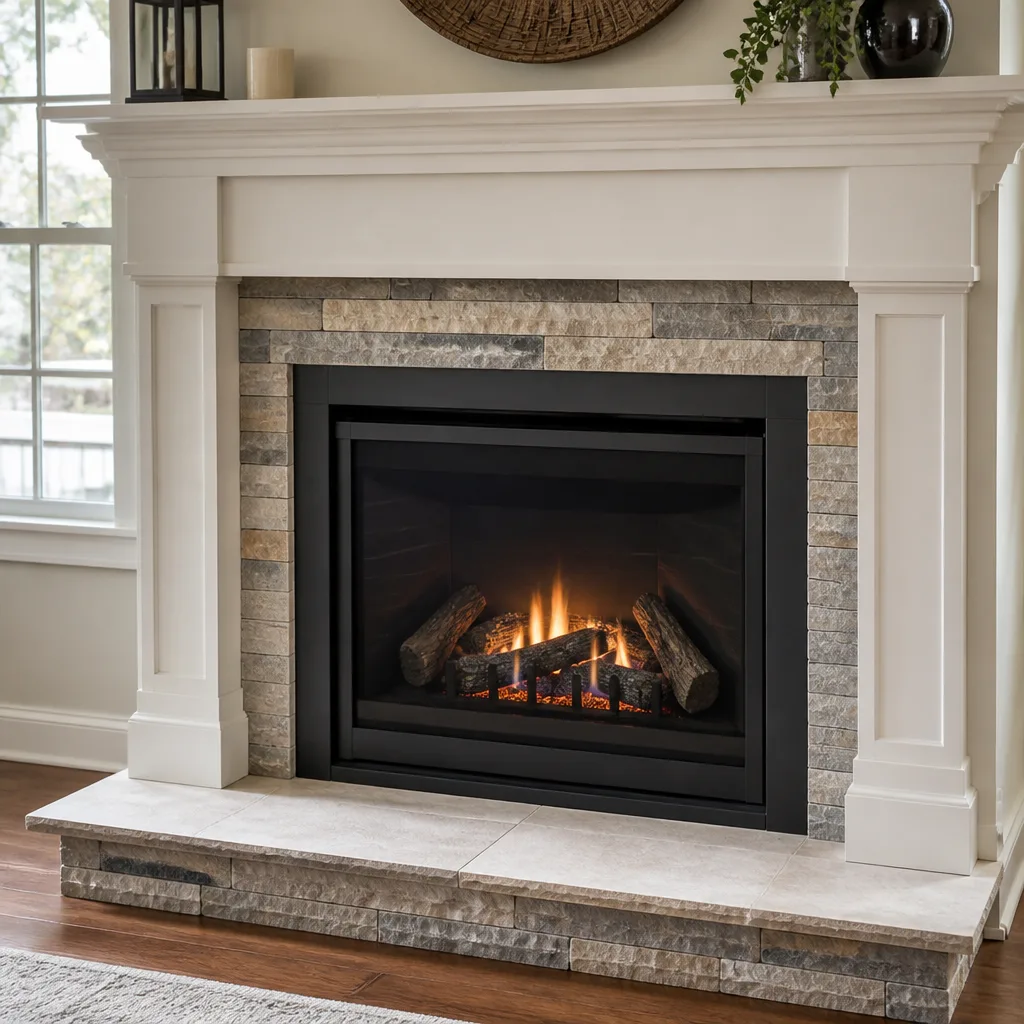 Gas fireplace service
Level 1 sweep and inspection to the NFPA 211 annual standard - flue, crown, cap, and flashing checked and photographed
Chimney sweep logs do not sweep chimneys. They loosen some creosote - which then falls where a brush and vacuum still have to collect it.
The Complete Guide to Chimney Cleaning in West Covina
West Covina averages fewer than 20 fireplace-use days per year for many households, yet creosote buildup doesn’t care how rarely you light a fire. Even one cord of coastal redwood burned wet can coat a liner faster than a full season of dry oak. This guide explains what actually happens during a chimney cleaning in West Covina, what it should cost, how to verify the work was done, and which questions to ask before anyone climbs onto your Spanish-tile roof. For more guides & resources, see our full blog.
Quick Answer
Chimney cleaning in West Covina typically costs between $189 and $349 for a standard sweep and Level 1 inspection, with prices influenced by flue height, creosote stage, and whether the home has a prefab or masonry fireplace. Most sweeps take 45 to 90 minutes, and you should receive before-and-after photos plus a written report. Booking before November means your first fire of the season is safe, and you avoid the scheduling crunch that hits every sweep company in the San Gabriel Valley when temperatures dip. For year-round planning tips, read our Seasonal Chimney Cleaning Care for West Covina: Year-Round Homeowner’s Guide.
Styles & brands we work with
Table of Contents
- Why West Covina’s Burn Season Creates a Deceptive Creosote Risk
- The Anatomy of a West Covina Fireplace: Prefab vs. Masonry
- Level 1 vs. Level 2 Inspections: What You Actually Need
- What Happens During a Professional Chimney Cleaning
- How Much Does Chimney Cleaning Cost in West Covina?
- How to Verify the Job Was Done: Reading Before-and-After Photos
- The Written Price Checklist Every Homeowner Should Receive
- Common Mistakes to Avoid
- When to Call a Professional
- Frequently Asked Questions
Why West Covina’s Burn Season Creates a Deceptive Creosote Risk
Southern California’s fire season is short and sporadic compared to colder climates. West Covina homeowners might light their fireplace a dozen times between Thanksgiving and Valentine’s Day, then leave it dormant for nine months. That pattern seems low-risk. It isn’t.
Infrequent burning often means one or more of these three conditions apply:
- Wetter wood. Firewood that sits in a backyard rack through a West Covina summer absorbs ambient moisture from morning marine-layer humidity. Burned wet, it produces a cooler, smokier fire.
- Cooler burns. When you light a fire on a 55-degree San Gabriel Valley evening, you don’t push the fire hot like someone in Minnesota does at 10 below. A modest fire never reaches the temperatures that fully combust creosote-forming gases.
- Improper first fires. The first burn of the season in a chimney that has sat for months often smolders longer before establishing a proper draft.
The result is a deceptive cycle. Each low-temperature burn deposits creosote (the flammable tar buildup that makes chimneys a fire risk) in thin layers that coat the flue liner. Because the total number of burns stays low, homeowners assume the chimney stays clean. In our experience sweeping West Covina flues, we regularly find Stage 2 creosote in chimneys that saw fewer than ten fires the previous season. The chemistry doesn’t care how many nights you sat by the hearth. It cares how hot and complete each burn was.
Add to this the fact that many West Covina homes were built between 1950 and 1980, and you’re dealing with chimneys that have decades of accumulated seasonal residue. A chimney that has never been swept in a 40-year-old home isn’t just dirty. It’s carrying layer upon layer of material that changes how the flue draws air and how safely it vents combustion gases. The Chimney Sweep in West Covina work we do regularly turns up the kind of buildup that homeowners would never see from the living room looking up.
The Anatomy of a West Covina Fireplace: Prefab vs. Masonry
Before anyone quotes you a chimney cleaning price, you should know which type of fireplace you have. West Covina’s housing stock splits between two very different systems, and the cleaning process differs meaningfully between them.
Masonry fireplaces are the traditional brick-and-mortar structures common in homes built before 1980. In West Covina neighborhoods near Amar Road and Merced Avenue, many properties have full masonry chimneys with clay tile liners. These systems are heavy, durable, and repair-friendly, but they require close attention to mortar joints and the tile liner’s condition. Over decades, the extreme temperature swings between firebox heat and cool Southern California nights cause small cracks in the clay tiles. A cracked tile is more than a cosmetic flaw. It’s a gap that lets heat and gases reach combustible framing.
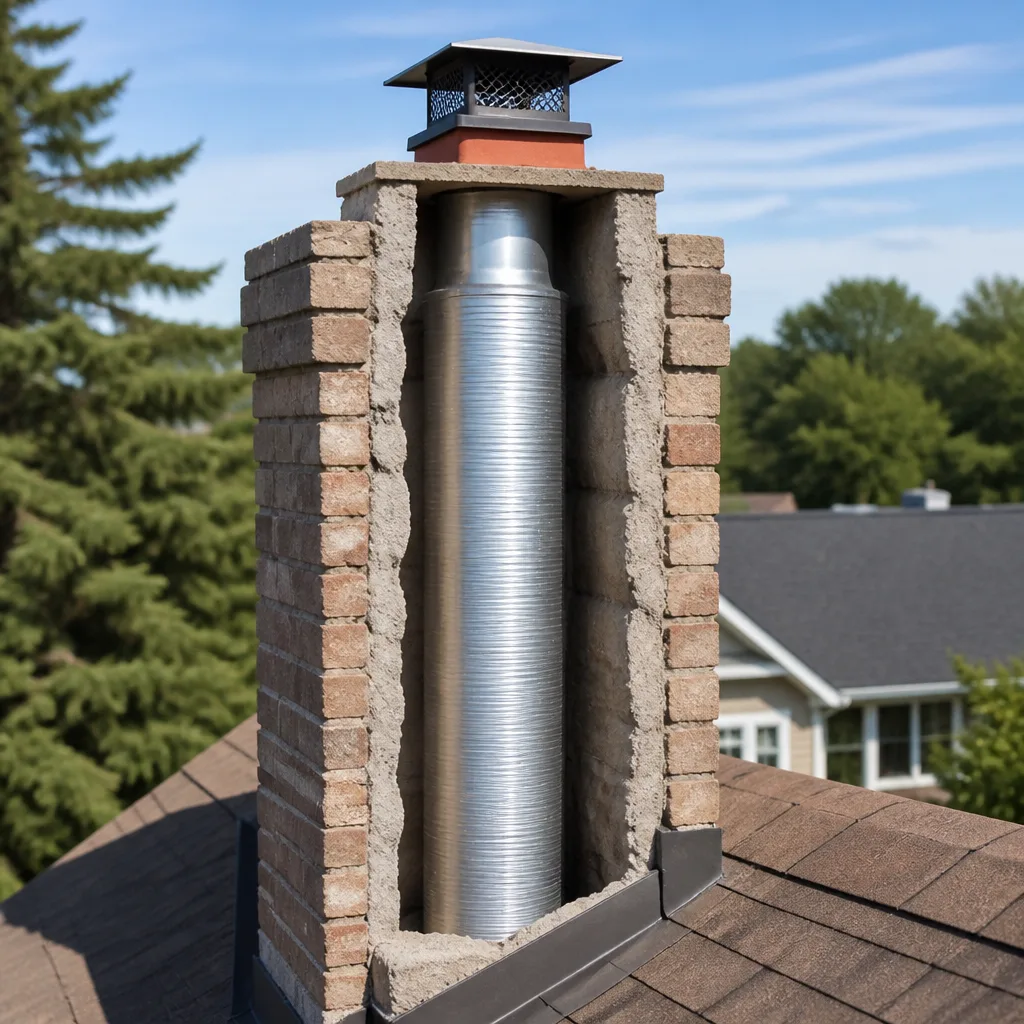
Prefab (factory-built) fireplaces dominate homes built after 1980 throughout the San Gabriel Valley, including much of West Covina. These systems are metal boxes with double- or triple-wall metal flues. They’re engineered to specific clearances and are far less forgiving of rust, warping, or improper installation. Cleaning a prefab chimney involves different brush sizes, different access points, and different inspection criteria than a masonry flue. A sweep who uses masonry techniques on a prefab system can void the manufacturer’s warranty.
Here’s what matters for you as the homeowner: know which one you have, because the answer changes the cleaning procedure. When we arrive at a Chimney Repair in West Covina job and find a prefab system that hasn’t been maintained, the finding is often rust and seal degradation rather than the flaking creosote you’d see in a masonry chimney. Both conditions are dangerous. Neither is visible from the hearth.
Level 1 vs. Level 2 Inspections: What You Actually Need
Every professional chimney cleaning should include an inspection, but the depth of that inspection falls into tiers defined by the National Fire Protection Association (NFPA) in Standard 211. Understanding the difference helps you ask the right questions and avoid paying for more than your situation requires.
Level 1 Inspection
A Level 1 inspection is what happens during a routine chimney cleaning when nothing about the system has changed. The technician checks the readily accessible portions of the chimney: the firebox, damper, flue liner, and exterior cap. No special equipment is used, and no disassembly happens. For West Covina homeowners who use their fireplace occasionally and have had regular sweeps, a Level 1 inspection is typically sufficient. Most standard chimney sweep packages include Level 1 as part of the price.
Level 2 Inspection
A Level 2 inspection is required when any of the following apply:
- You’ve purchased or are selling the home.
- You’re changing the fuel source (wood to gas, for instance).
- An event has occurred that may have damaged the chimney, such as an earthquake, wildfire exposure, or roofing work.
- The chimney has been unused for an extended period and never inspected.
For West Covina specifically, two situations push homeowners toward Level 2 more often than they expect. First, property transfers are common in this market, and California home inspectors typically recommend chimney specialists for detached flue evaluation. Second, even mild seismic activity can shift chimney structure. Cracks in masonry or separated flue joints don’t always show up at eye level. A Level 2 inspection uses video scanning equipment to get a full internal view, which is how you find separation that a Level 1 visual check misses from the top.
A Level 2 inspection is typically built into a comprehensive Hadley Chimney West Covina home evaluation before repairs. It’s an added cost, but when the trigger condition applies, it’s the only way to see what’s actually happening inside the flue.
What Happens During a Professional Chimney Cleaning
Here’s the full step-by-step process, written so you know exactly what to expect when you book a chimney cleaning in West Covina. For help choosing the right company, see How to Hire a Chimney Cleaning Contractor in West Covina: A Step-by-Step Guide.
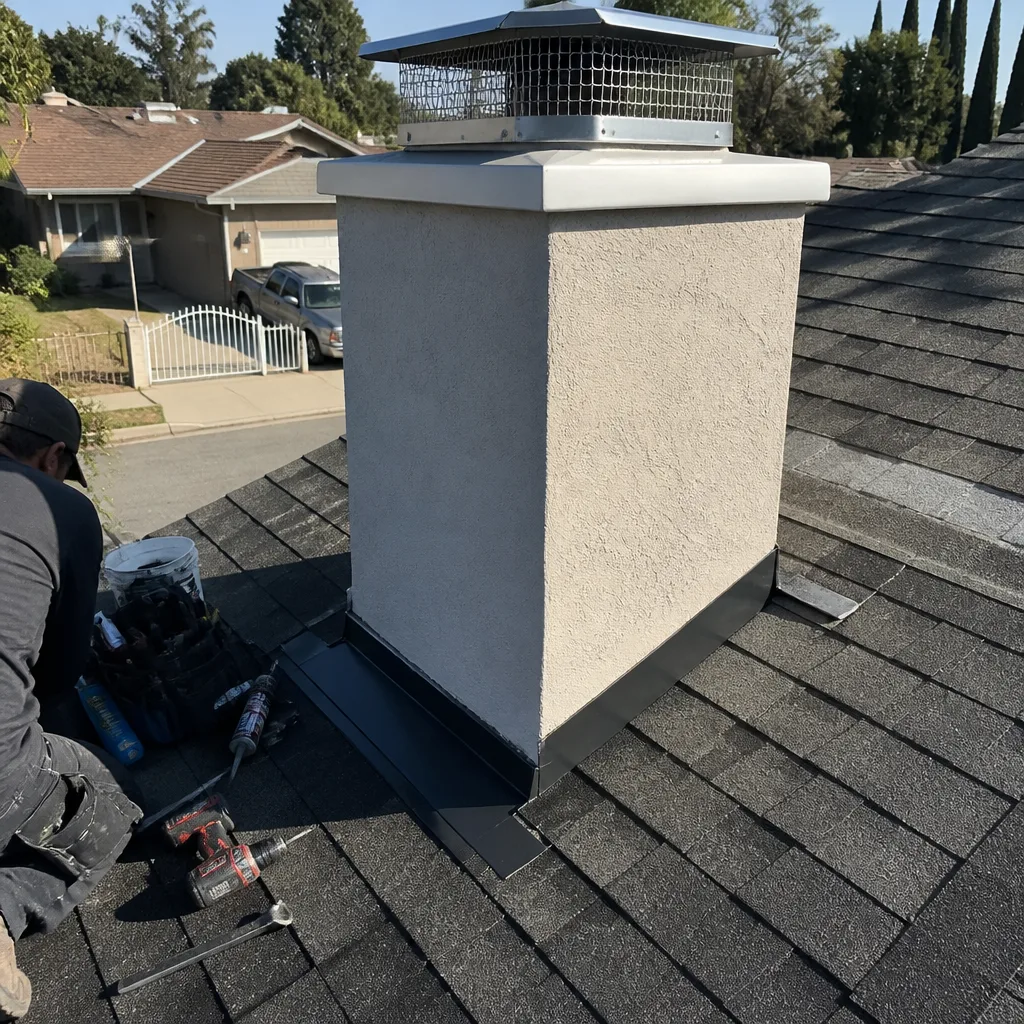
Step 1: Ground-level assessment. Before any equipment comes off the truck, the technician should walk the property exterior looking at the visible chimney structure, clearances, and any obvious obstruction. This is when we check the chimney cap, the spark arrestor, and the flashing (the metal strip where the chimney meets the roofline).
Step 2: Interior prep. The technician sets up drop cloths around the hearth and positions a high-powered vacuum system at the firebox opening. A proper sweep uses negative air pressure to keep dust from entering your living room. If a company brushes a flue without running a vacuum, you’ll see it in the film of soot that settles on your furniture within hours.
Step 3: Flue brushing. Using appropriately sized brushes matched to your flue dimensions, the technician works from the top of the chimney down, scrubbing the interior walls. For prefab fireplaces, flexible poly brushes protect the metal liner. For masonry with clay tiles, wire brushes may be used. Both methods should dislodge creosote at every stage, from Stage 1 (flaky, soot-like) to Stage 3 (glazed, tar-like accumulation).
Step 4: Smoke chamber and damper cleaning. The smoke chamber sits just above the firebox and often traps more debris than the flue itself. The damper, which should be inspected for rust and proper operation, is hand-cleaned and lubricated if needed.
Step 5: Firebox vacuuming. All dislodged debris falls to the firebox floor, where the vacuum captures it. A clean firebox means no residual ash or creosote remains.
Step 6: Inspection and documentation. The technician completes the Level 1 (or Level 2, if applicable) inspection and documents what they found. You should receive photos showing the flue conditions before and after cleaning, plus a written report noting any defects. At Hadley Chimney West Covina, this photo documentation is part of The Relay Visibility Guarantee, and you’ll see exactly what the technician saw.
Step 7: The walk-through. Your technician should show you the before-and-after images and explain any recommendations in plain terms. Recommended repairs should be quoted separately, in writing, with no obligation. You should never feel pressured to approve additional work on the spot.
How Much Does Chimney Cleaning Cost in West Covina?
Prices vary by company, but here’s a realistic breakdown of what to expect in the West Covina market based on the work we and other local companies perform:
| Service | Typical Cost Range |
|---|---|
| Standard chimney sweep with Level 1 inspection | $189 – $279 |
| Sweep for heavily glazed (Stage 3) creosote | $329 – $449 |
| Level 2 inspection with video scan | $249 – $399 (often built into a sweep) |
| Chimney cap replacement | $149 – $349 installed |
| Damper repair or replacement | $179 – $429 |
| Full liner replacement (stainless, including DuraFlex) | $3,200 – $6,500 depending on flue length and access |
These ranges reflect San Gabriel Valley labor rates and typical West Covina home configurations. What affects your price most is the flue height, the stage of creosote buildup, and whether the technician can safely access the chimney from a ladder or needs roof staging. Spanish-tile roofs common in West Covina require careful footing, which may add a modest access charge for crews trained on tile-safe practices.
One important note: a written price should be provided before any work begins, every single time. That’s not a courtesy; it’s a baseline professional standard. If a company quotes verbally and then changes the number after the technician is on the roof, find another company for your next sweep. You should also receive a digital invoice you can pay from a link, which has become the standard for home services in West Covina.
How to Verify the Job Was Done: Reading Before-and-After Photos
You can’t climb on your roof to check the flue yourself, which is why photo documentation matters more than a technician’s verbal reassurance. Here’s how to read what you’re given.
The flue before. A legitimate before photo shows the interior flue walls with visible creosote accumulation. On a clean chimney, the walls look close to their natural color: reddish-orange for clay tile, silver for stainless steel. On a dirty one, you’ll see black or brown streaking, flaking, or glossy tar-like patches.
The flue after. The same angle after a thorough sweep shows the original liner material clearly. Minor residual staining is normal and doesn’t mean the sweep was incomplete. What you don’t want to see is chunky deposits remaining at the edges of the frame, which suggests the technician angled for a better photo rather than a cleaner flue.
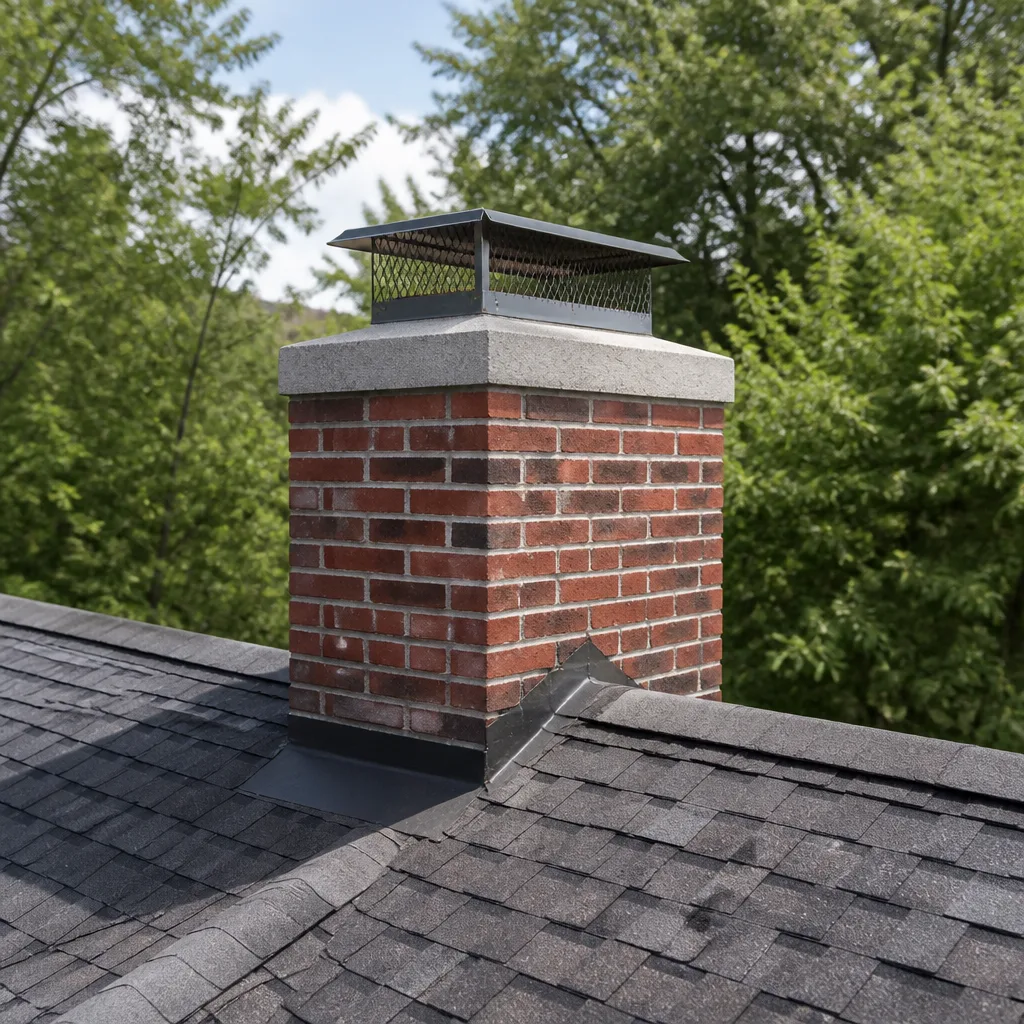
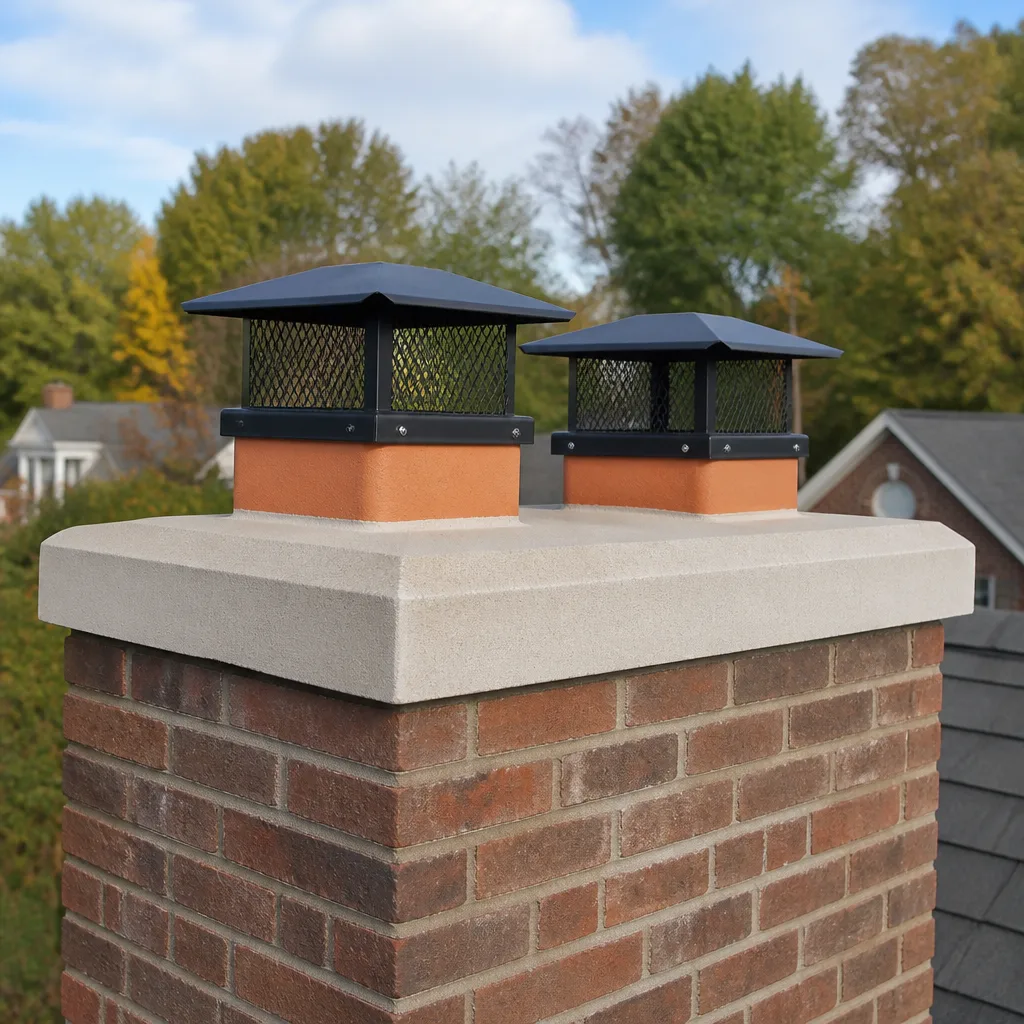
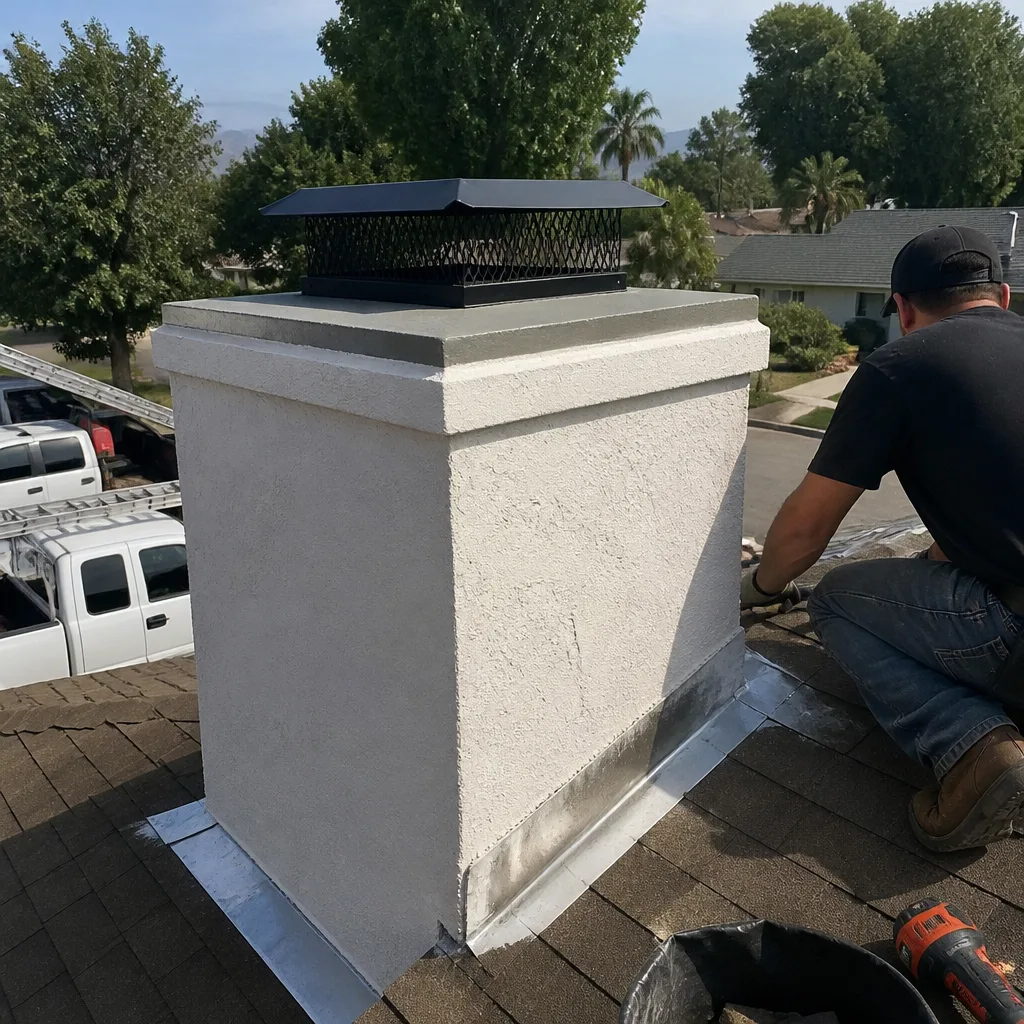
The cap and crown. Ask for photos of the chimney cap and crown (the concrete top surface of the chimney stack). A capable sweep photographs these because that’s where water intrusion starts. If no cap photos exist, the inspection may not have actually covered the top of the chimney.
What the photos should never show. A phone flashlight shot from inside the firebox aimed upward does not count as flue documentation. Neither does a single photo of the exterior roofline. Real documentation is taken from the crown looking down the flue, or from the firebox looking up with a proper camera.
At Hadley Chimney West Covina, before-and-after photo documentation is part of The Relay Visibility Guarantee on every job, not just the big ones. You should expect the same from any sweep you hire. If a company refuses to provide photos or says they’re not something they do, that’s a signal.
The Written Price Checklist Every Homeowner Should Receive
Before a brush touches the flue, you should have a written price. Beyond the total, a proper quote covers:
- Scope of work. Does the price include Level 1 inspection? Does it include smoke chamber cleaning? Does it include cap inspection?
- Type of flue. The quote should note whether your system is masonry or prefab, because the cleaning method changes accordingly.
- Creosote stage if known. If the company conducted a prior inspection or can see the flue from the firebox, the quote may note the buildup level. Stage 3 glazed creosote costs more to remove.
- Access notes. Tile roof access, steep pitch, or chimney height may add a line item. This should be stated upfront, not discovered on the roof.
- Guarantee terms. Whoever you hire should state what happens if the work isn’t done correctly. At Hadley Chimney West Covina, every repair carries a written guarantee and a free second visit if the repair fails within 365 days. That’s the 365-Day Done Right Promise, and it’s included on every job, not sold as an upsell.
- Repair recommendations. If the inspection turns up issues, the quote for those repairs should be separate and in writing. Nothing should be implied, and nothing should be added without your signed approval.
Transparent pricing isn’t just about avoiding surprises. A detailed written quote tells you the sweep company knows exactly what they’re dealing with before they start. That’s the difference between a professional operation and someone who figures it out when they’re already on the roof.
Common Mistakes to Avoid
- Burning pine from the backyard. Pine and other softwoods common in Southern California landscaping produce high resin content. When burned green or damp, pine deposits creosote quickly. Burn only seasoned hardwoods like oak or almond, and only wood that has dried for at least six months.
- Skipping a sweep because you barely use the fireplace. Infrequent use doesn’t mean clean. The damp, cool, infrequent burns many West Covina homes see actually produce creosote faster than hot, daily burning. Sweep annually regardless of use count.
- Hiring the cheapest quote without checking what’s included. A $99 front-of-flue brush that doesn’t include a Level 1 inspection, smoke chamber cleaning, or cap evaluation isn’t a chimney sweep. It’s a partial service that leaves hazards in place.
- Forgetting the cap. West Covina’s seasonal winds and bird populations, especially pigeons and starlings, make chimney caps a necessity. A missing or damaged cap invites nesting material, which blocks the flue and becomes a fire hazard.
- Waiting until December to book. Every local sweep company fills November appointments weeks in advance. Booking your cleaning in September or October means lower prices, better scheduling, and your first fire is ready when the weather turns.
- Assuming the home inspector checked the chimney deeply. California home inspectors are thorough, but they don’t run flue video scans as part of a standard property inspection. If you bought a home in West Covina without a dedicated chimney evaluation, schedule a Level 2 inspection before relying on the fireplace.
- Ignoring water stains on the ceiling near the chimney. In West Covina’s winter rain season, flashing leaks show up fast. The sooner you address flashing or crown issues, the less damage to adjacent drywall and framing. A Gas Fireplace Repair in West Covina job often reveals water intrusion that started at the chimney chase, not the gas unit itself.
When to Call a Professional
If you haven’t had your chimney cleaned in the past 12 months, call now. If you just bought a home in West Covina and don’t have a chimney inspection report from a qualified sweep, call now. If you notice a campfire smell in the house when the fireplace isn’t in use, call now. If you see black or shiny buildup on the damper or firebox walls, call now. If water drips from the chimney during rain, call now.
Any of these conditions warrants a professional evaluation, and some of them indicate active fire or carbon monoxide risk. Don’t attempt to clean a flue yourself with consumer-grade brushes. Creosote removal at Stage 2 or 3 requires training, proper equipment, and a methodical approach. Hadley Chimney West Covina offers free estimates in West Covina. Call (661) 402-9036.
Frequently Asked Questions
A standard chimney sweep and Level 1 inspection in West Covina typically costs between $189 and $279, with heavily glazed creosote running higher at $329 to $449. Your actual price depends on flue height, roofing material access difficulty, and buildup stage. For a specific quote on your chimney, call (661) 402-9036 and we’ll give you a written price before any work begins.
The National Fire Protection Association recommends annual inspection and cleaning as needed, and that standard applies in West Covina regardless of how little you burn. Homes in the San Gabriel Valley with wet or infrequent fires often accumulate Stage 2 creosote within one season, so an annual sweep before your first fall fire is the safest cadence.
Not necessarily. Some clay tile cracks are cosmetic, while others create a passage for heat and gases to reach combustible framing. A sweep who recommends a liner replacement should be able to show you exactly where the defect is on camera footage, explain the specific risk, and provide a separate written quote for the work. At Hadley Chimney West Covina, we use materials like DuraFlex flexible liner systems and HeatShield ceramic repair compound when repairs are warranted, but we’ll tell you plainly when a crack can safely be monitored instead of replaced. Call (661) 402-9036 for an evaluation.
Creosote continues to accumulate, and because it’s flammable, each fire you light carries an increased risk of a chimney fire that can crack the liner, spread to the roof, and compromise the entire structure. Even if a fire never happens, blocked flues from debris or nesting material can push carbon monoxide back into your living space. The risks compound quietly, which is why we recommend annual sweeps as a prevention measure, not a reaction.
Yes, but the technician needs to be trained in tile-safe practices. West Covina’s Spanish-tile roofs require specific footing techniques to avoid cracking tiles, and a legitimate sweep company will note tile access on the quote. Ask about roof access protocol before you book.
Routine chimney cleaning is generally considered maintenance and is not covered by homeowner’s insurance. However, damage caused by a chimney fire or sudden water intrusion may be covered depending on your policy. Check with your insurer about specific chimney-related coverage in West Covina.
The Bottom Line
Chimney cleaning in West Covina costs $189 to $349 for most homes, takes under two hours, and protects the single most overlooked fire safety system in your house. The short Southern California burn season doesn’t reduce creosote risk; in many cases it increases it through damp wood and cool fires. Whether your fireplace is masonry or prefab, the requirement is the same: inspect annually, sweep as needed, and document everything. The companies worth hiring will show you photos of what they found and what they did. The ones that won’t are telling you something about how they work. Book before the seasonal rush, get your written price, and start your first fire with a chimney you’ve actually seen.
Written by Cory Mitchell, Owner at Hadley Chimney West Covina, serving West Covina since 2003.
See the difference
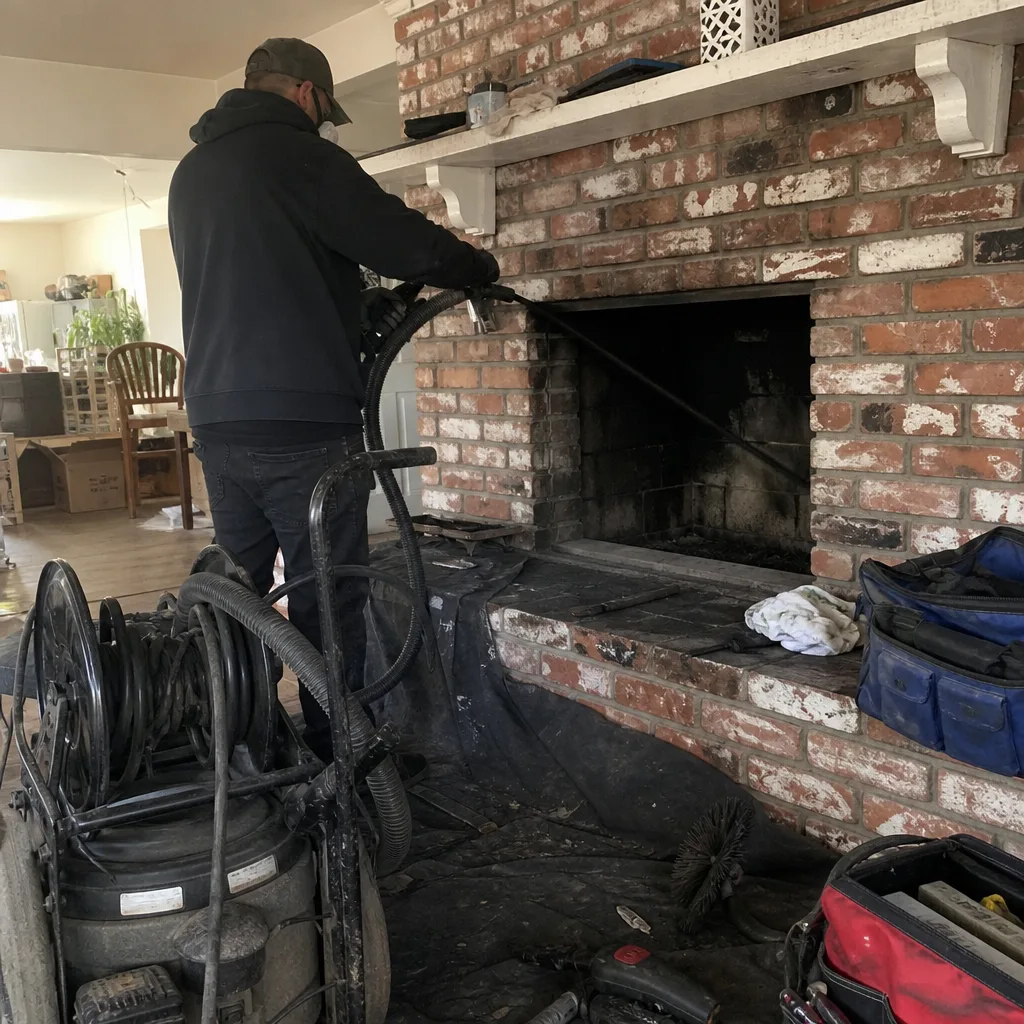 Before
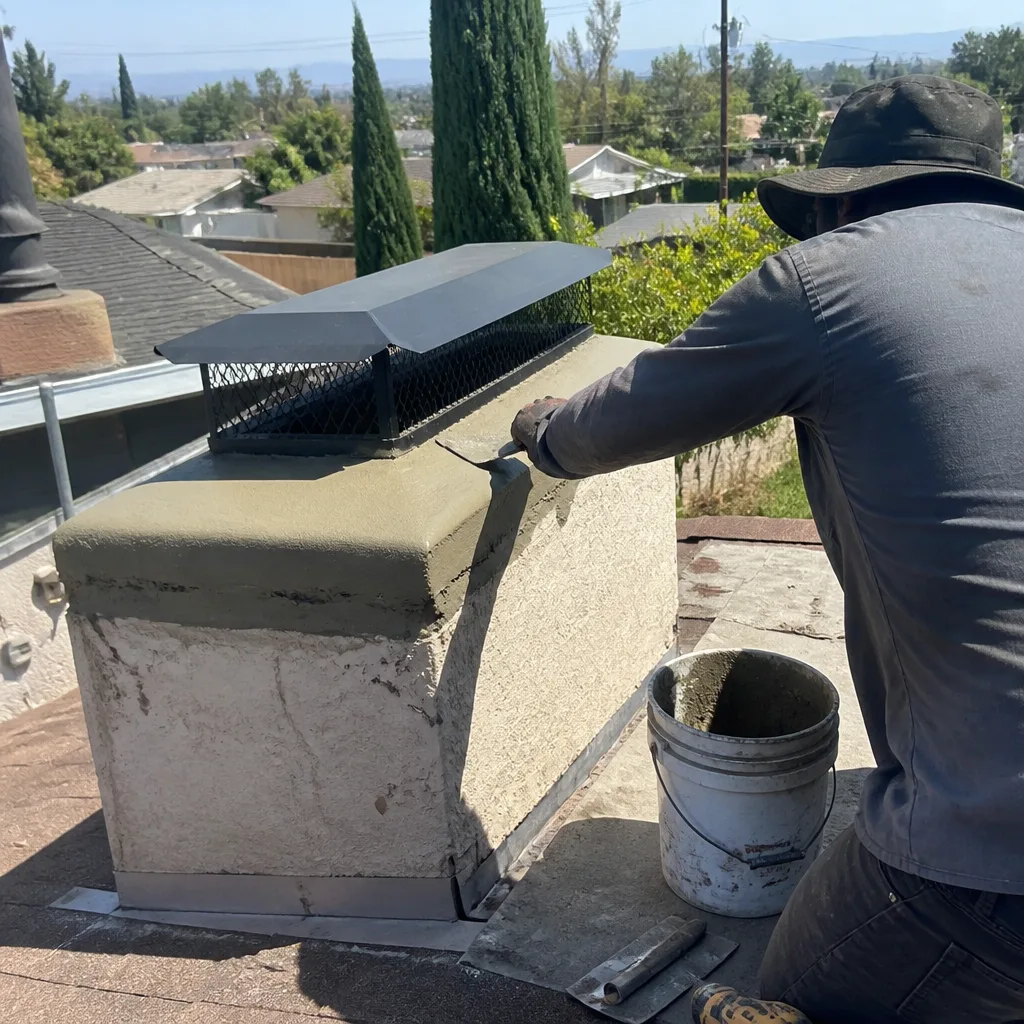 After
After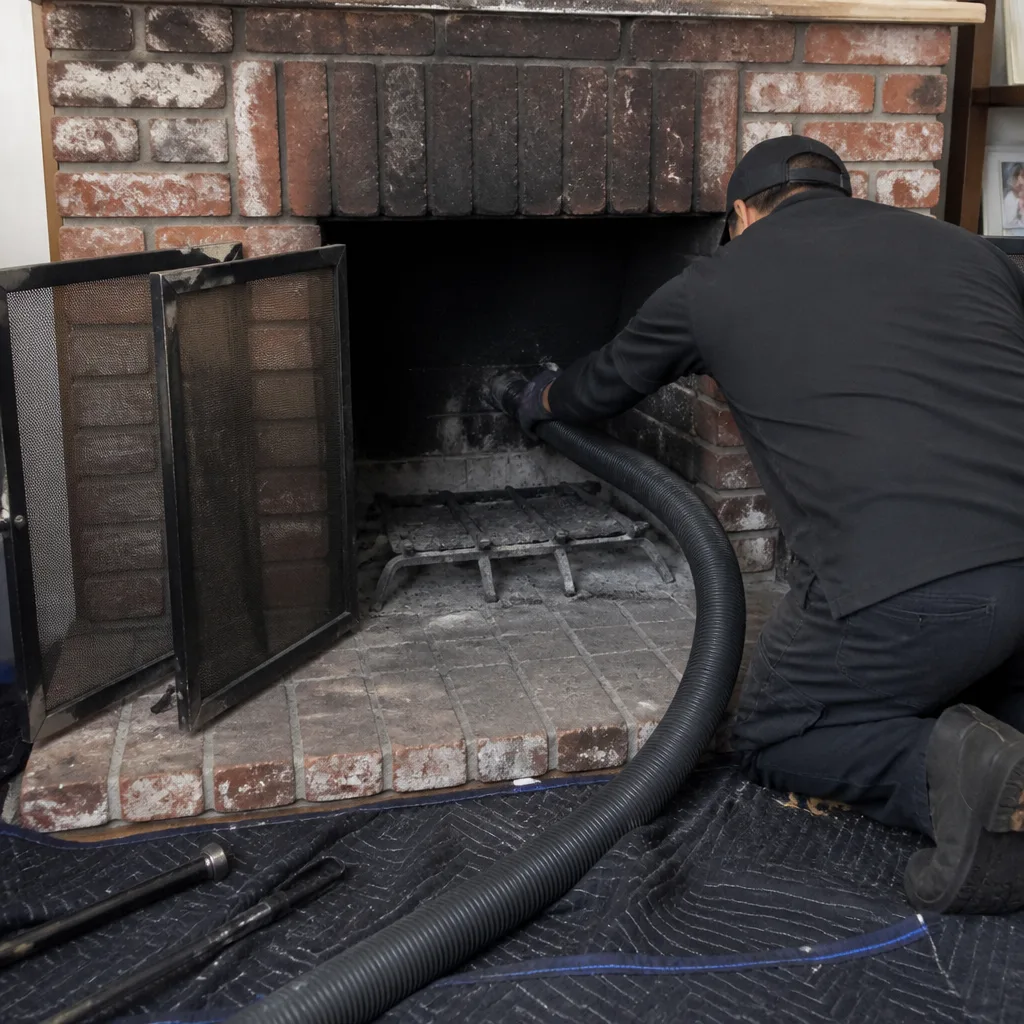 Before
 After
After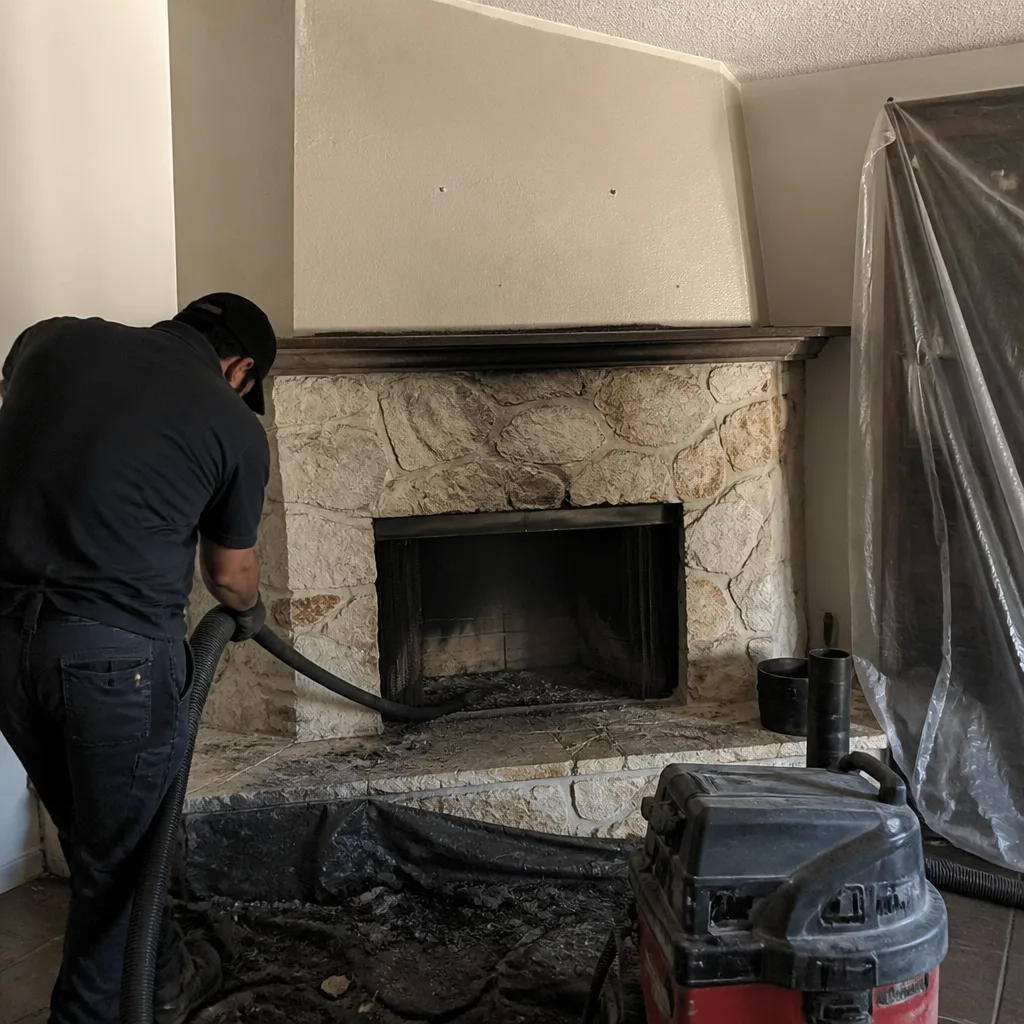 Before
 After
After