
Last updated October 15, 2026
 Sweep & inspection
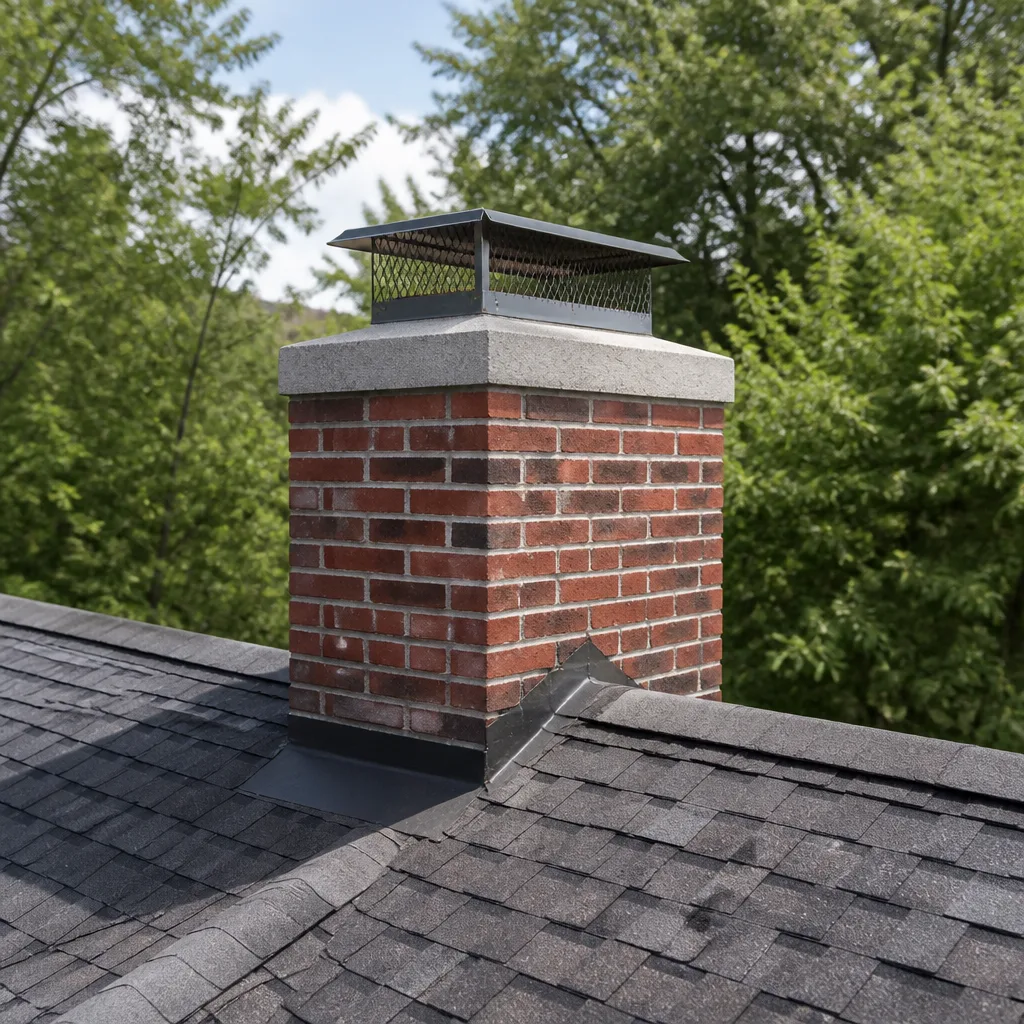
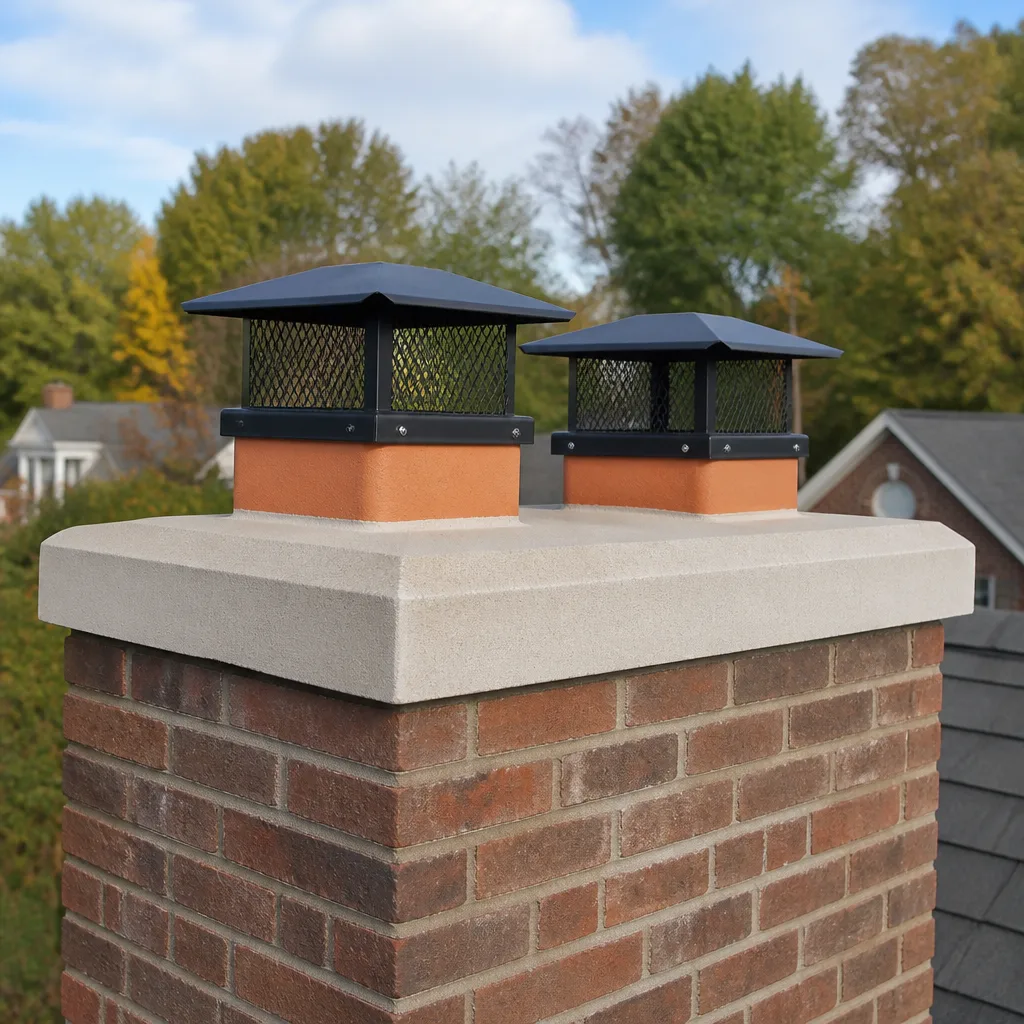 Caps & crowns
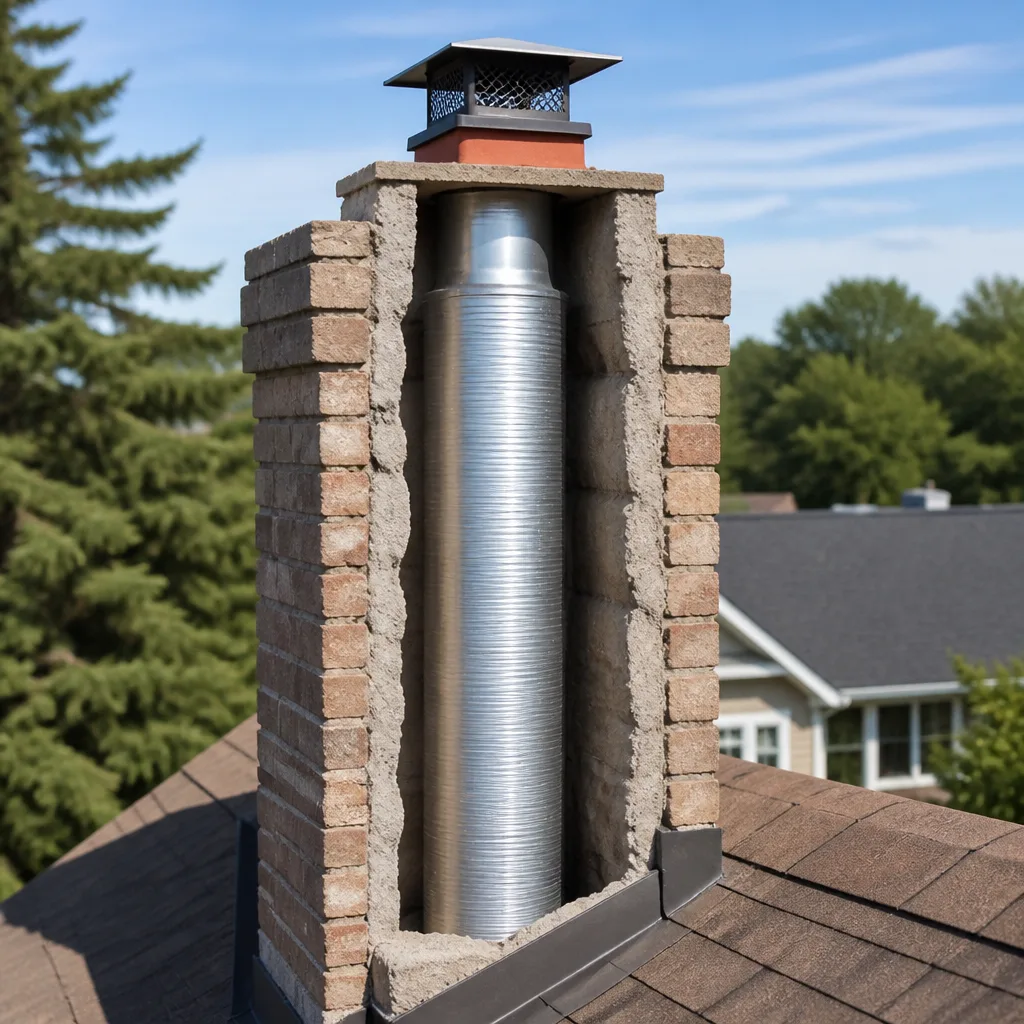 Flue relining
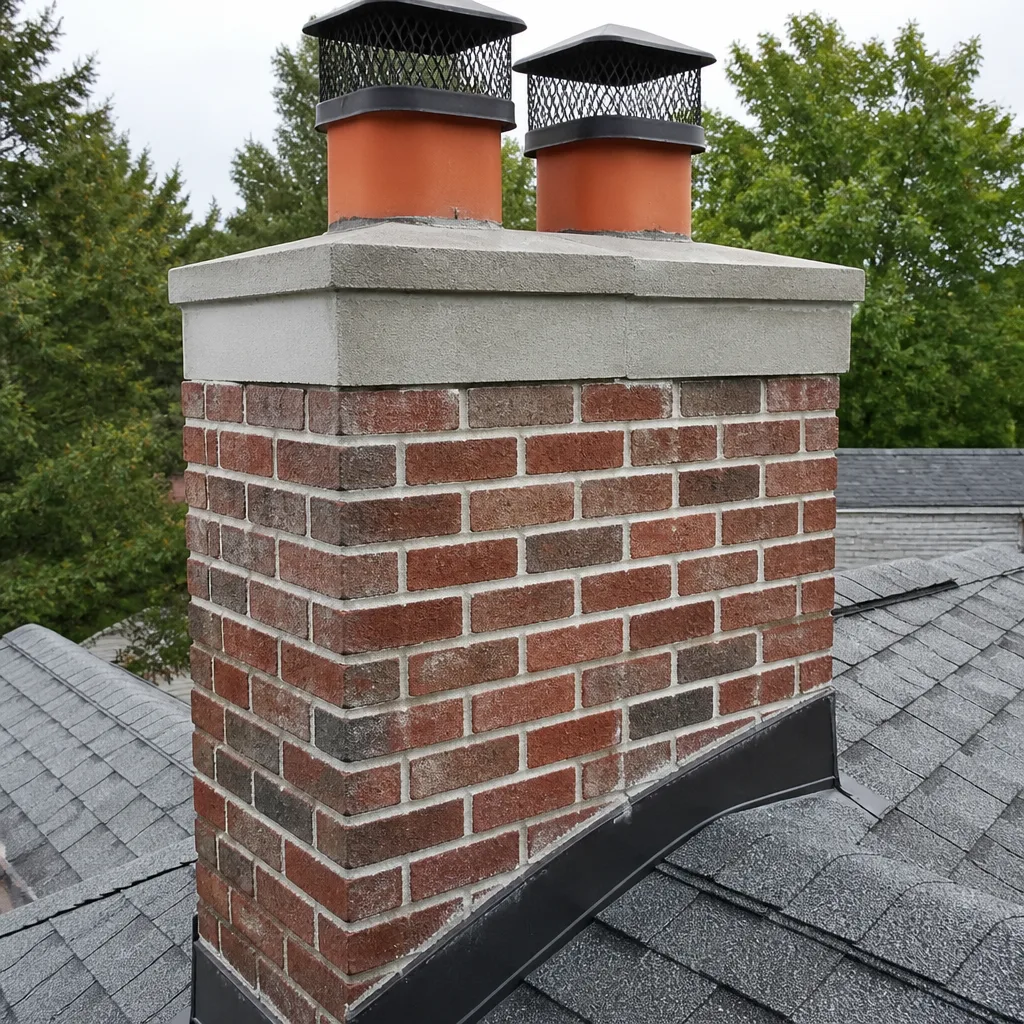 Masonry repair
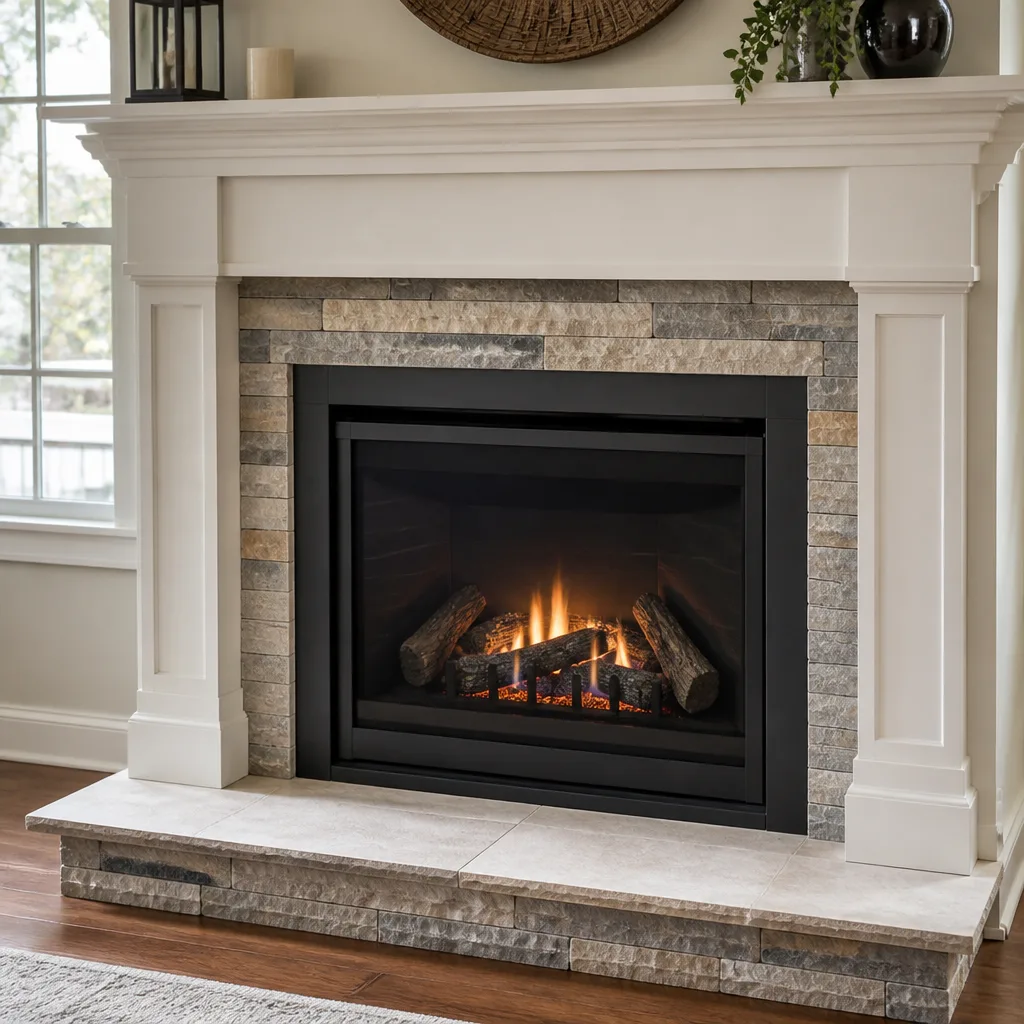 Gas fireplace service
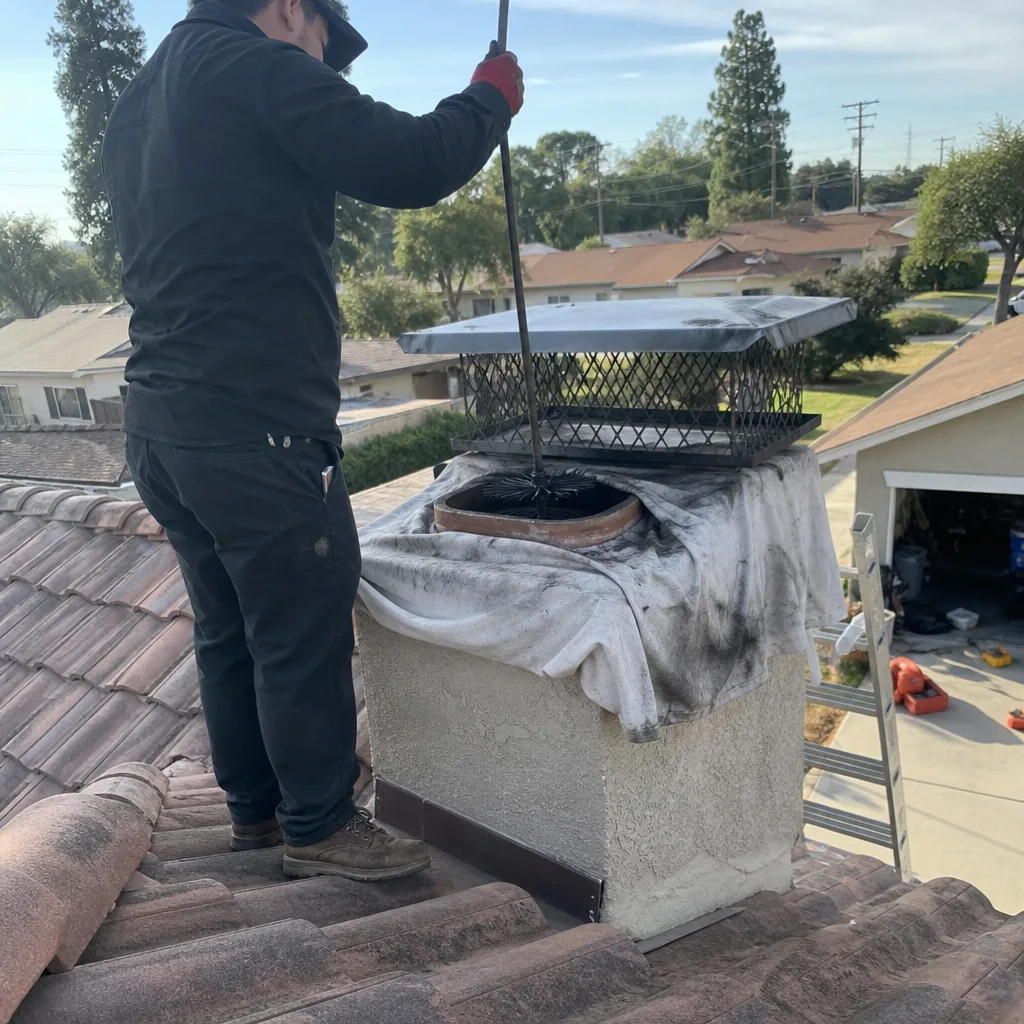
Level 1 sweep and inspection to the NFPA 211 annual standard - flue, crown, cap, and flashing checked and photographed
Chimney sweep logs do not sweep chimneys. They loosen some creosote - which then falls where a brush and vacuum still have to collect it.
DIY vs Professional Chimney Cleaning: The West Covina Homeowner’s Decision Guide
A chimney cleaning rod kit costs about $40 on Amazon and will remove loose soot from a straight flue. But it cannot tell you whether the tile liner section behind your smoke shelf has a hairline fracture that vents carbon monoxide into your wall cavity. That gap between “clean” and “safe” is where the DIY math breaks down in West Covina, where homes built between the 1950s and 1980s carry chimneys that have now seen four to seven decades of thermal cycling, earthquake settling, and Southern California’s dry-season burn habits. This guide walks through what you can actually verify with a brush and a flashlight, what you cannot, and how to make a decision you won’t second-guess when the first winter fire hits. For seasonal chimney cleaning care in West Covina, timing your inspection before the burn season is critical.
Styles & brands we work with
Quick Answer
DIY chimney cleaning works for removing light, loose soot from gas fireplaces or ornamental chimneys in West Covina, but it cannot detect cracked flue liners, hidden creosote pooling, or draft failures that professional camera inspections catch. For wood-burning fireplaces used more than a few times per season, hire a professional sweep and ask for photo documentation of the liner condition before anyone recommends repairs.
Table of Contents
- What DIY Chimney Cleaning Actually Does (and Doesn’t Do)
- West Covina Chimney Specifics: Age, Earthquakes, and Dry-Season Soot
- Equipment Reality Check: What a $40 Kit Does vs. What a Pro Brings
- When DIY Cleaning Genuinely Makes Sense in West Covina
- The Middle Ground Most Guides Skip: Inspection-Only Booking
- Insurance, Liability, and the Fine Print on Fire-Damage Claims
- Common Mistakes to Avoid
- When to Call a Professional
- Frequently Asked Questions
- The Bottom Line
What DIY Chimney Cleaning Actually Does (and Doesn’t Do)
A DIY chimney cleaning accomplishes one thing reliably: it removes loose soot and light creosote (the flammable tar buildup that makes chimneys a fire risk) from the flue walls that your brush can physically reach. On a straight flue with no offsets, a properly sized wire brush attached to flexible rods will knock down enough debris to keep a rarely used fireplace from becoming a candidate for a chimney fire. That’s real. It’s also the ceiling of what you’re doing.
What a brush and rod setup cannot do, regardless of how thorough you are:
- Detect hairline cracks in terra cotta tile liners. These cracks often sit behind the smoke shelf or in the upper flue section where the brush never makes direct visual contact. A cracked liner is how carbon monoxide and superheated gases escape into wall cavities and attic spaces.
- Identify glazed or third-stage creosote. Third-stage creosote is hardened, shiny, and baked onto the flue walls. A brush skates right over it. Removing it requires a rotary chain whip or chemical treatment followed by professional removal.
- Evaluate the smoke shelf, damper, and firebox for hidden damage. The smoke shelf collects debris, animal nests, and creosote flakes. A homeowner cleaning from below cannot see it clearly without an inspection camera.
- Document the flue condition for insurance or resale purposes. When a home sale in West Covina hits the inspection stage, a photo-documented professional sweep carries weight that a homeowner’s word does not.
In our experience across chimney sweep jobs in West Covina, roughly one in five wood-burning chimneys we inspect for the first time has a liner issue that a seasonal soot cleaning would never have surfaced. The brush got the flue clean. The camera found the crack. Those aren’t the same job.
West Covina Chimney Specifics: Age, Earthquakes, and Dry-Season Soot
West Covina’s housing stock tells you a lot about what you’ll find in a chimney. The city’s major development booms came in the post-war period and again in the 1960s and 1970s. That means thousands of chimneys in neighborhoods like South Hills, Woodside, and the Ridges now carry fifty to seventy years of service time. Mortar joints dry out. Terra cotta liners develop micro-cracks that expand with every heating cycle. Flashing pulls away from rooflines during the seasonal Santa Ana wind events that funnel down through the San Gabriel Valley.
Three local factors make regular professional inspection more important here than in coastal Los Angeles communities:
- Earthquake activity. West Covina sits near the Puente Hills and Whittier fault lines. Even minor seismic events can shift a chimney structure enough to crack a rigid tile liner or separate the flue from surrounding masonry. These cracks are invisible from the firebox and only show up under camera inspection.
- Dry-season soot hardening. Southern California fireplaces get used in short, intense bursts during the December through February burn season. Then they sit dormant for nine months. Soot and creosote that would stay soft in a damp climate hardens in West Covina’s dry air, making it progressively harder to brush off without rotary tools.
- Gas conversion fireplaces. Many older West Covina homes originally built with wood-burning fireplaces were later converted to gas log sets. Homeowners often assume gas means no creosote and no risk. Gas burns cleaner, but it also produces acidic moisture that corrodes terra cotta liners and mortar over years, a slow process that plays out differently than wood creosote buildup.
These aren’t reasons to panic. They’re reasons to take a look at what’s actually inside the flue before deciding a brush on a stick has done enough.
Equipment Reality Check: What a $40 Kit Does vs. What a Pro Brings
The economics of DIY chimney cleaning look appealing on the surface. A basic kit with eight fiberglass rods, a brush, and a tarp runs $40 to $80. A heavier-duty kit with a poly brush and additional rod extensions might hit $120. Compare that to a professional sweep in the West Covina market, which typically ranges from $180 to $340 depending on flue size, accessibility, and whether it’s been more than two seasons since the last cleaning, and the DIY number looks like a clear win. See our Chimney Cleaning Cost Breakdown: The West Covina Homeowner’s Reference for 2026 for full pricing variables.
But the kit comparison misses what the professional is actually bringing to the roof. Here’s what changes at the $180-plus level:
- Inspection camera systems. Modern chimney pros run a video camera up the flue before and after cleaning. The camera captures high-resolution images of the liner, damper, smoke shelf, and firebox. You see the cracks, the pooling creosote, the animal nests. You aren’t taking someone’s word for it.
- High-volume negative air systems. Professional sweeps run HEPA-filtered vacuums that pull air down the flue during cleaning, which keeps soot from billowing into the living room. A DIY brush job without vacuum containment sends a fine black dust cloud across your furniture, into your ducts, and onto every fabric surface in the room.
- Rotary cleaning heads and chains. For glazed creosote or heavy third-stage buildup, professionals use power drills with rotary chain heads that break up hardened deposits a wire brush cannot scratch. This is not a tool a homeowner can safely replicate.
- Roof access training and fall protection. Many West Covina homes have steep roofs with tile or comp shingle surfaces that get slick in morning dew. A professional sweep working from the roof with proper harness equipment is doing something a homeowner with an extension ladder from Home Depot should think very hard about before attempting.
A complete DIY setup that would actually match professional capabilities, meaning a camera, a rotary head, a heavy-duty vacuum with HEPA filtration, and proper roof safety gear, would run you north of $1,000 before you’ve touched a single flue. At that point, you’re buying a career, not doing a chore.
| Cleaning Equipment | DIY Cost | Professional Cost | What It Detects |
|---|---|---|---|
| Basic brush kit + rods | $40 – $120 | Included in sweep | Loose soot, light stage-1 creosote |
| Inspection camera system | $300 – $800 | Included in sweep | Liner cracks, hidden creosote, nests |
| HEPA vacuum / negative air system | $400 – $1,000 | Included in sweep | Dust containment during cleaning |
| Rotary creosote removal head | $150 – $300 (plus drill) | Included when needed | Glazed stage-3 creosote |
None of this is to say the tools are a scam. The tools do what they claim. They just don’t claim to do the thing that actually keeps you safe, which is documentation of what the flue looks like before and after the cleaning.
When DIY Cleaning Genuinely Makes Sense in West Covina
This guide isn’t here to tell you DIY is always wrong. It isn’t. There are specific situations where a homeowner with a brush kit and some patience is doing exactly the right amount of work for the situation. The key is knowing which situation you’re in.
Situations where DIY chimney cleaning is reasonable:
- Gas-only fireplaces with light dust or soot film. Gas log sets produce minimal particulate matter and zero creosote. If your fireplace is gas-only and you’re just knocking down a little surface dust or spider webbing before burn season, a brush and a vacuum get the job done.
- Ornamental fireplaces that never see a live fire. Some West Covina homes, especially in newer tract developments, have fireplaces that exist purely for visual appeal. If you’ve never lit a fire in yours and don’t plan to, a light DIY cleaning keeps it presentable without needing a certified sweep.
- Post-professional maintenance between annual sweeps. After a professional sweep has documented that your liner is sound and your flue is clear, light DIY brushing mid-season to remove loose soot from one or two burns is fine. The structural verification is done. You’re just doing surface upkeep.
- Straight flues with easy roof access and a partner on the ground. On a single-story West Covina ranch home with a straight flue and a low-pitch roof, a careful homeowner with a properly sized brush can accomplish a basic cleaning. The limitation remains: you’re cleaning blind, so pair this with a professional inspection every couple of years.
The pattern here is obvious. DIY is reasonable when the risk profile is low and the visible deposits are light. It stops being reasonable the moment you’re dealing with a wood-burning fireplace that sees regular use, a flue that hasn’t been inspected in years, or any sign of water intrusion, smoke backup, or animal activity.
The Middle Ground Most Guides Skip: Inspection-Only Booking
Here’s the option that nearly every DIY vs. professional guide skips entirely: the inspection-only booking. You don’t have to choose between a $40 brush kit and a $300 full sweep. You can call a chimney company in West Covina, book a camera inspection, and get a documented look at your flue condition without cleaning if no cleaning is needed. Not sure where to start? Read How to Hire a Chimney Cleaning Contractor in West Covina: A Step-by-Step Guide to vet companies properly.
What an inspection-only visit typically includes:
- Camera scan of the full flue from top to bottom. You’ll see the liner, the smoke shelf, the damper, and the firebox in real time or in a photo report afterward.
- Condition assessment with photos. A good inspection gives you images you can actually look at, not a verbal “looks fine” over the shoulder.
- A written recommendation. If the flue is clean and the liner is sound, you’ll get documentation that says so. If there’s an issue, you’ll see it in the photos and can decide what to do next.
Inspection-only pricing in the West Covina market typically runs $100 to $200 depending on whether the company includes a written report. That’s more than the brush kit, sure. But it answers the question a brush can’t answer: am I cleaning a safe chimney or a hidden hazard?
This is the exact middle path we recommend for homeowners who want to handle their own maintenance but don’t want to run a chimney on a guess. Book the inspection. Get the photos. Then clean it yourself if everything checks out. You haven’t paid for a full sweep, but you’ve bought certainty about the part you can’t see.
Hadley Chimney West Covina offers this exact option. We’ll run the camera, show you the images, and tell you honestly whether a cleaning is warranted or whether it can wait. Our Hadley Chimney West Covina home to learn more about how we document every visit.
Insurance, Liability, and the Fine Print on Fire-Damage Claims
This is the section most DIY chimney guides won’t touch, and it matters more than the cost comparison. If you clean your own chimney and a chimney fire occurs, your homeowner’s insurance adjuster is going to ask a specific set of questions. Were you following manufacturer specifications? Were you trained in chimney maintenance? Do you have documentation of what condition the flue was in before the fire? The answers to those questions determine whether your claim gets paid in full, gets reduced, or gets denied.
A professional sweep changes that conversation. When you have a receipt from a licensed and insured chimney company documenting a cleaning and inspection, that’s third-party evidence that you maintained the chimney to a reasonable standard. The adjuster sees due diligence. When you cleaned it yourself with a $40 Amazon kit and a YouTube video, the adjuster sees a homeowner who took a task with fire safety implications into their own hands without professional verification.
That distinction is especially sharp for chimney fires specifically. Chimney fires are almost always caused by creosote ignition. Creosote buildup is exactly what a professional sweep removes and documents. If your DIY effort missed a section of the flue, or if you skipped it because the brush couldn’t reach the offset, the insurance company has a defensible argument that the loss was preventable through professional maintenance.
West Covina sits in a wildfire-adjacent zone that makes insurers skittish about any fire-related claims. The last decade of California wildfire litigation has pushed carriers to scrutinize every structural fire claim with more vigor, not less. A documented professional chimney maintenance history is one of the cheapest insurance policies you can buy for the part of your home that literally contains fire.
None of this guarantees your claim gets denied if you DIY. It’s about stacking the deck in your favor. Documentation from a professional is a card you want in your hand.
Common Mistakes to Avoid
- Using the wrong brush type for your liner. Metal wire brushes on a terra cotta liner are fine. A metal brush on a stainless steel liner will score the metal surface. Poly brushes are the right choice for steel liners like DuraFlex systems common in West Covina relining projects. Match the brush to the liner material or you’ll create the damage you’re trying to prevent.
- Cleaning from the bottom without sealing the firebox. Without proper tarping and vacuum containment, soot from a DIY cleaning will find its way into your carpet, your ducts, and your lungs. Professional sweeps use negative air machines for exactly this reason.
- Assuming gas fireplaces don’t need inspection. Gas log sets in West Covina homes produce acidic condensate that eats mortar joints and corrodes liners over time. A gas fireplace can look clean and still have a structurally compromised flue.
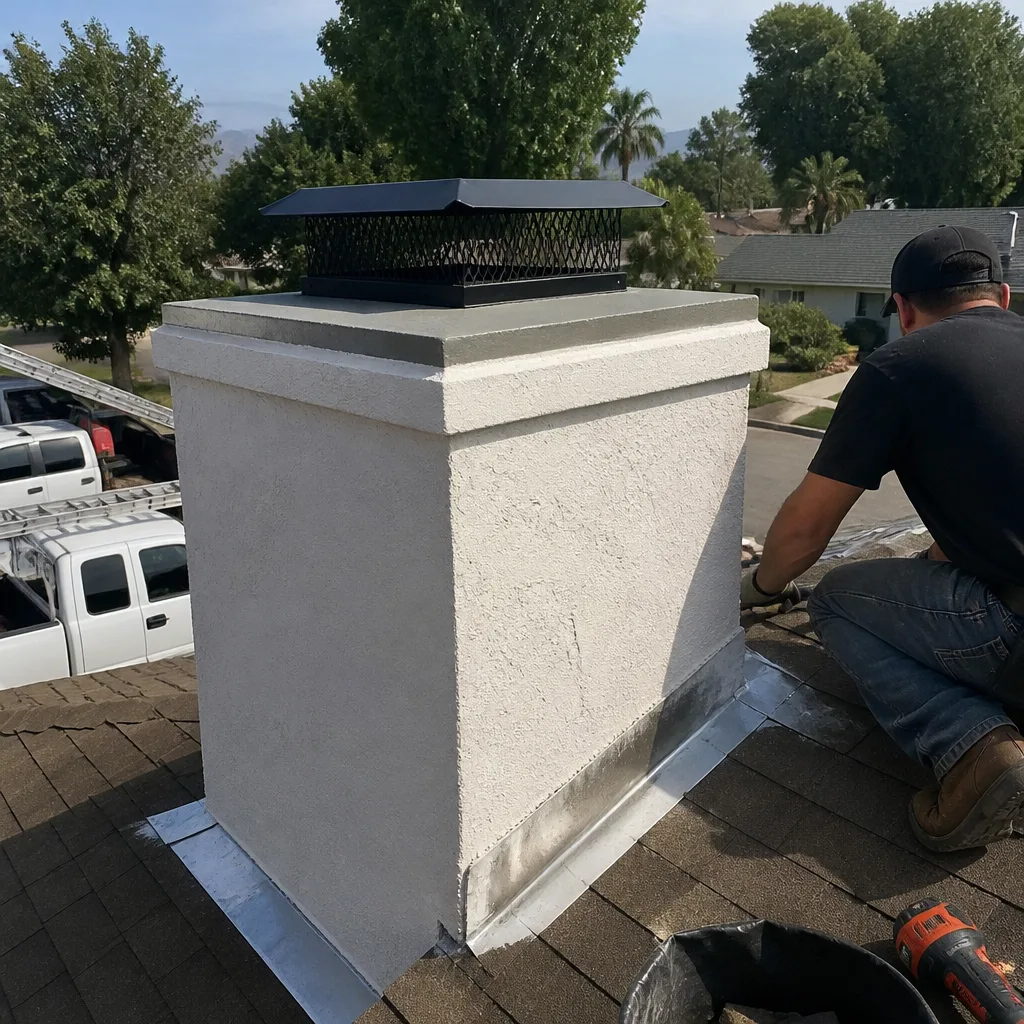
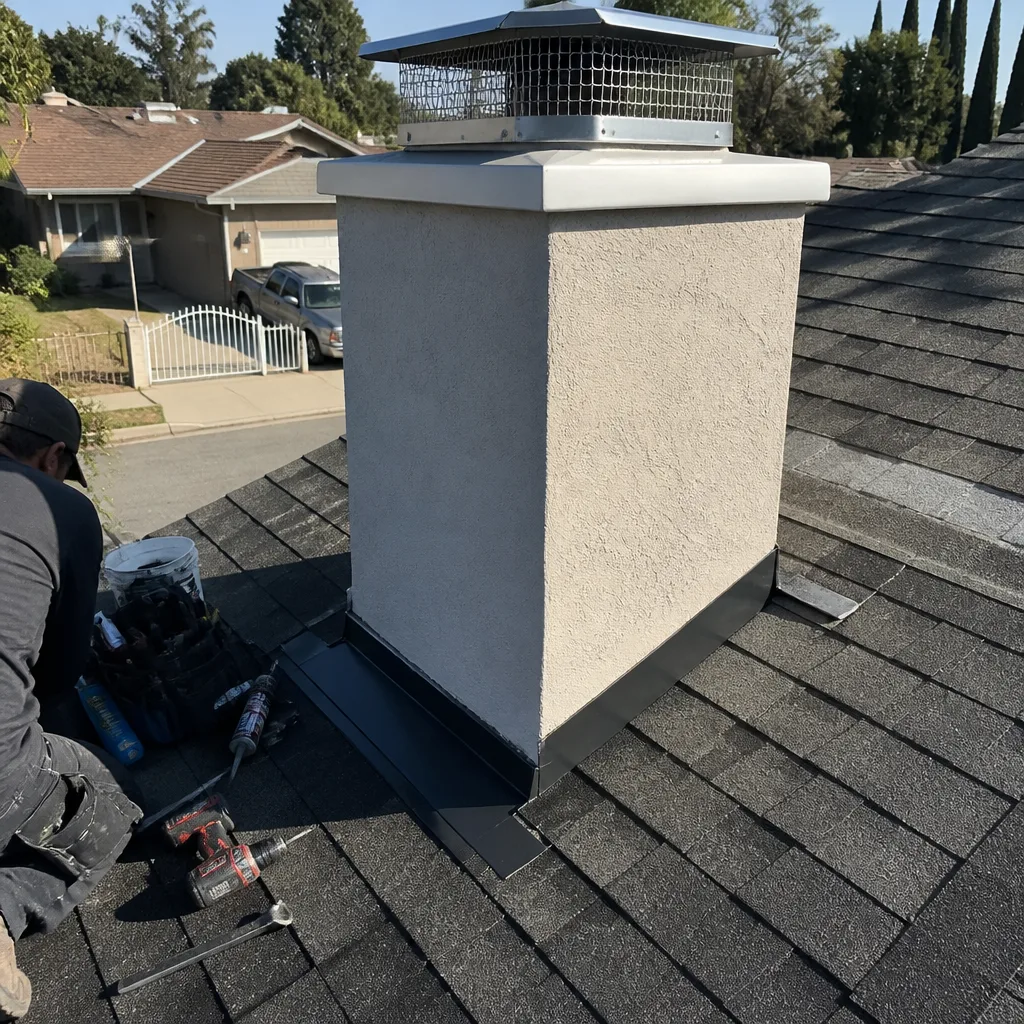
- Skipping the chimney cap inspection. West Covina sits in a migratory bird and rodent corridor along the San Gabriel Valley. Missing or damaged chimney caps are how you get raccoons in the smoke shelf in March and a dead bird smell in your living room by May.
- Starting a DIY cleaning when creosote is already glazed. If your flue has shiny, hardened creosote deposits from years of slow, cool burns, a brush kit will do almost nothing. You’ll spend an afternoon on the roof and end up with a flue that’s still unsafe. This is the most common failed DIY outcome we see in person.
- Treating cleaning as a substitute for inspection. Every homeowner cleaning is blind cleaning. You can remove what you can reach and still have no idea what’s happening in the flue’s midsection. If you DIY, pair it with a professional camera inspection at least every two to three years.
When to Call a Professional
Call a chimney professional if you see smoke backing up into the room, smell a campfire-like odor when the fireplace isn’t in use, spot dark stains on the ceiling or walls near the chimney, or hear animals in the flue. Call if it’s been more than two seasons since your last sweep and you burn wood regularly through the winter. Call if you just bought a West Covina home and have no maintenance records from the previous owner. And call if you tried a DIY cleaning and found deposits your brush couldn’t budge or couldn’t reach. Hadley Chimney West Covina offers free estimates in West Covina, call (661) 402-9036 and we’ll walk you through what to expect, what we check, and what the photos will show you.
Frequently Asked Questions
A professional chimney sweep in West Covina typically runs $180 to $340 for a standard wood-burning fireplace cleaning with a camera inspection, with gas fireplace sweeps landing near the lower end of that range. Pricing varies based on flue height, accessibility, creosote stage, and whether repairs like chimney repair in West Covina are needed beyond the cleaning. Call (661) 402-9036 for an exact quote, our estimates are free and written before any work starts.
Not always, and no reputable company should recommend a liner replacement without showing you camera evidence of why it’s needed. Hairline cracks in a terra cotta liner may be repairable with a HeatShield ceramic compound application rather than a full reline, which preserves the original flue while sealing the breach. Before agreeing to any liner work, ask to see the images and have the technician explain exactly what the photos show. If they won’t show you pictures, find another company.
Wood-burning fireplaces used regularly in West Covina should be swept and inspected once per year before the burn season starts, typically September through October. Gas fireplaces can go two to three years between professional inspections because they produce less particulate matter, but they still deserve periodic camera checks for corrosion and mortar degradation. The National Fire Protection Association’s NFPA 211 standard recommends annual inspection regardless of fuel type.
Skipped cleanings allow creosote, which is the flammable tar and soot byproduct of wood combustion, to accumulate in layers that range from loose powder to hardened glaze. A chimney fire ignites when flue temperatures reach creosote’s ignition point, which is around 1,000 to 1,200 degrees Fahrenheit, and a chimney fire can breach the flue liner and spread to the home’s structure within minutes. Beyond fire risk, a clogged or restricted flue can pull carbon monoxide back into the living space instead of venting it outside. Call (661) 402-9036 to schedule a cleaning if you’re behind on maintenance, we’ll tell you exactly what we find.
Yes, DIY cleaning can damage a chimney when the wrong brush is used on a stainless steel liner, when a homeowner applies too much lateral pressure on roof-mounted flue tiles, or when aggressive scraping against pre-existing liner cracks widens them into structural breaches. Improper cleaning can also push debris into the smoke shelf area where it becomes a future obstruction or fire fuel source. The most common DIY damage we repair is scored steel liners from metal brushes used on the wrong liner type.
Yes, Hadley Chimney West Covina provides free estimates on every job in West Covina and surrounding San Gabriel Valley communities, and every estimate is delivered in writing before any work begins. Our team also provides before-and-after photo documentation on every visit as part of the Relay Visibility Guarantee, so you see proof of exactly what was cleaned, repaired, or inspected. For gas fireplace repair in West Covina or chimney sweeping services, call (661) 402-9036 any time, a live person answers 24/7.
The Bottom Line
The DIY vs. professional chimney cleaning decision in West Covina comes down to a single question: do you want to clean what you can see, or verify what you can’t? A $40 brush kit removes loose soot from a straight flue and nothing more. A professional sweep with camera documentation tells you whether the liner is cracked, the creosote is glazed, the mortar is failing, or the whole system is actually fine. For light-use gas fireplaces, ornamental chimneys, or post-inspection maintenance, DIY is a reasonable choice. For wood-burning fireplaces, older West Covina homes, or any flue that hasn’t been professionally evaluated in years, the inspection cost is cheap insurance against a fire damage claim and a carbon monoxide risk you’ll never see coming. Our recommendation: if you’re unsure, book an inspection-only visit. Get the photos. Then decide. For more guides & resources on chimney safety and maintenance, explore our blog.
Ready to book a cleaning or just want a camera inspection first? Call Hadley Chimney West Covina at (661) 402-9036. A live person answers, we’ll give you a written price before anyone touches a brush, and you’ll get before-and-after photos so you know exactly what happened on your roof.
Written by Cory Mitchell, Owner at Hadley Chimney West Covina, serving West Covina since 2003.
See the difference
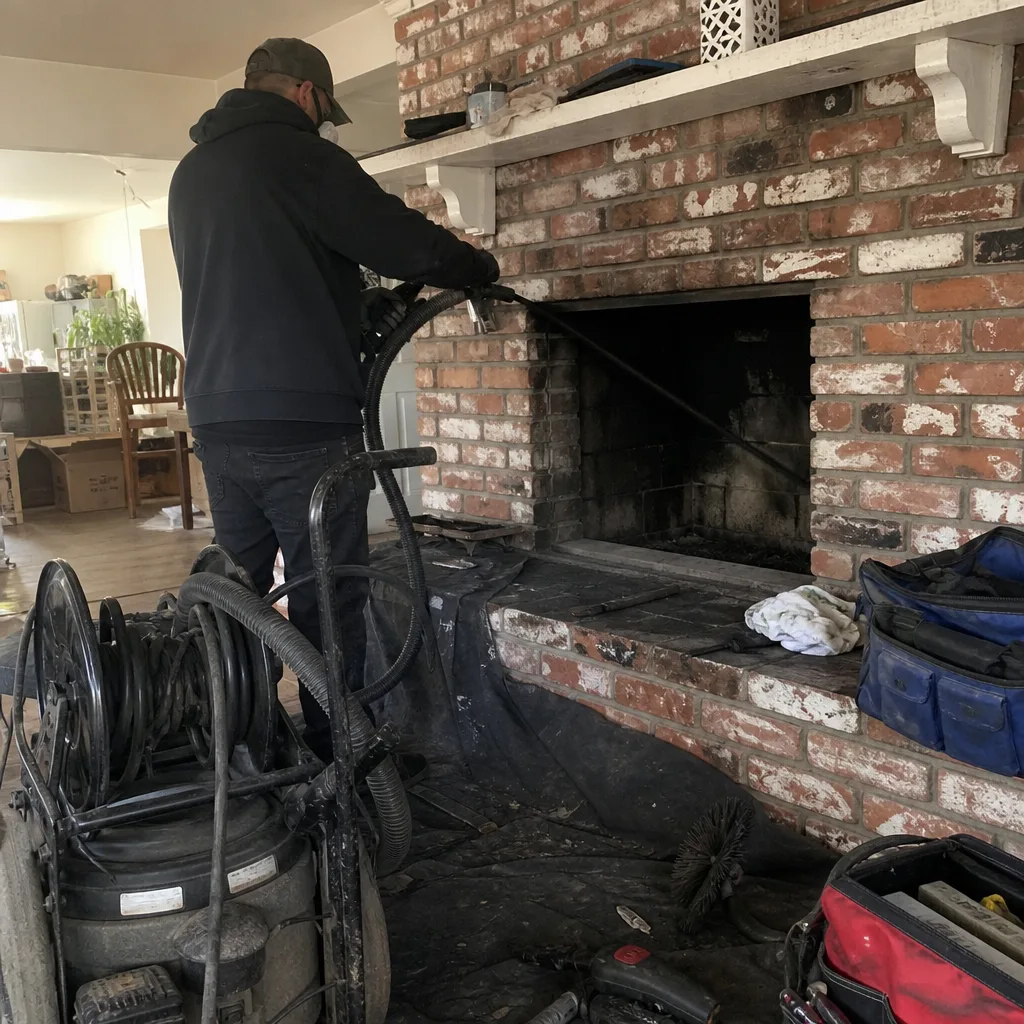 Before
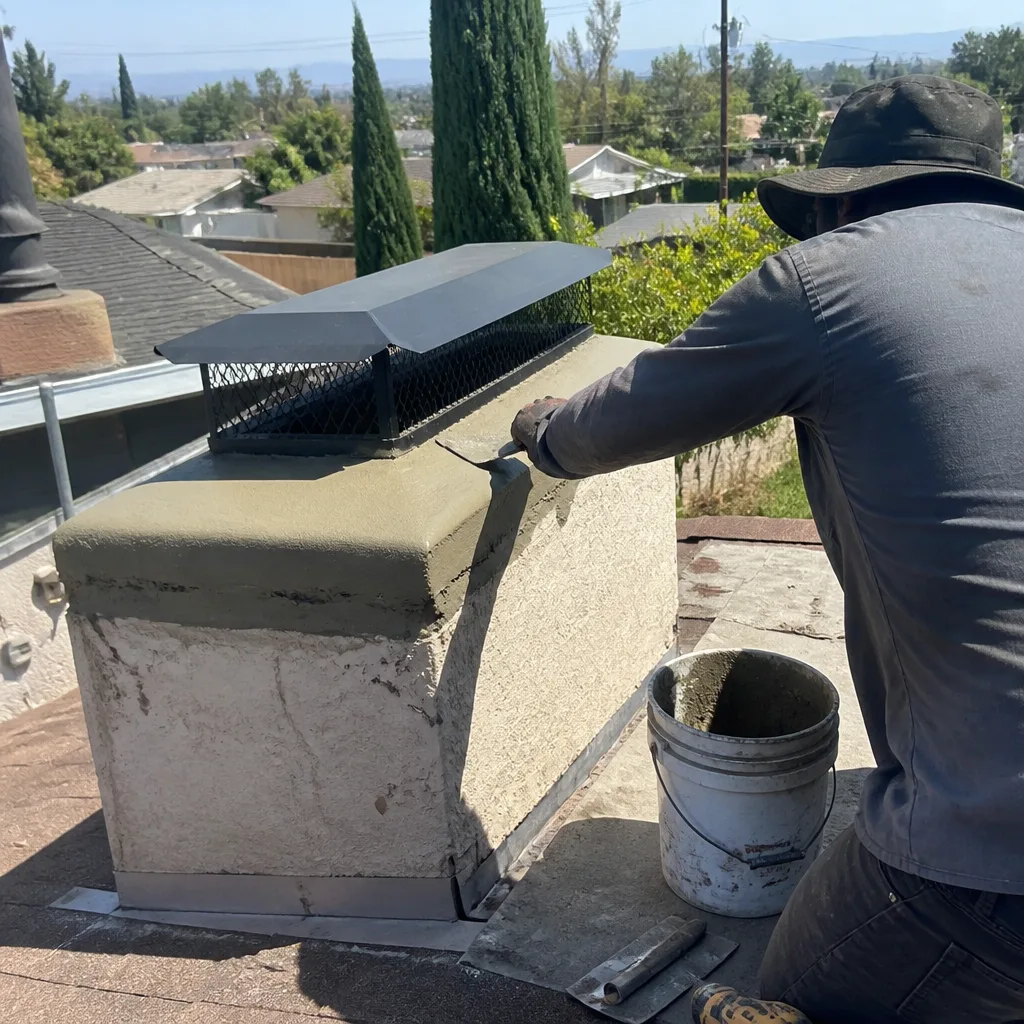 After
After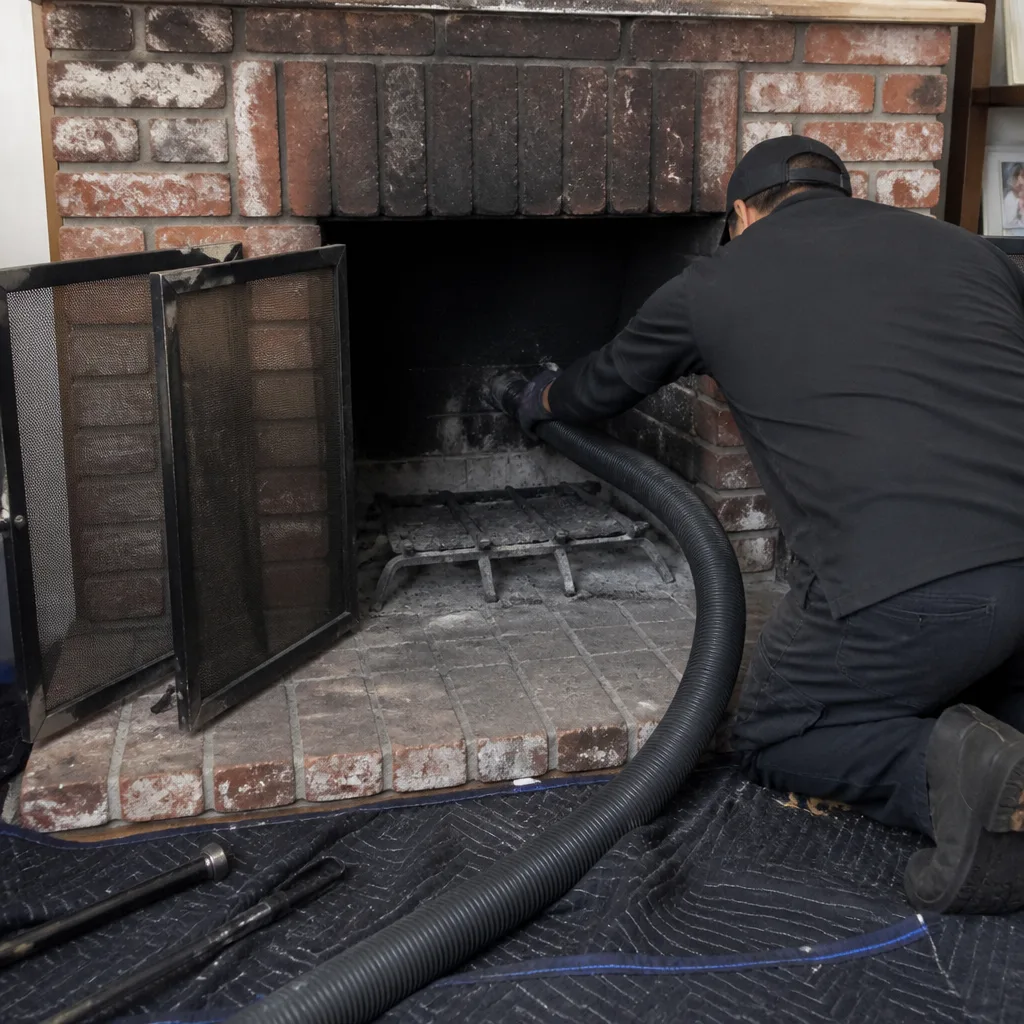 Before
 After
After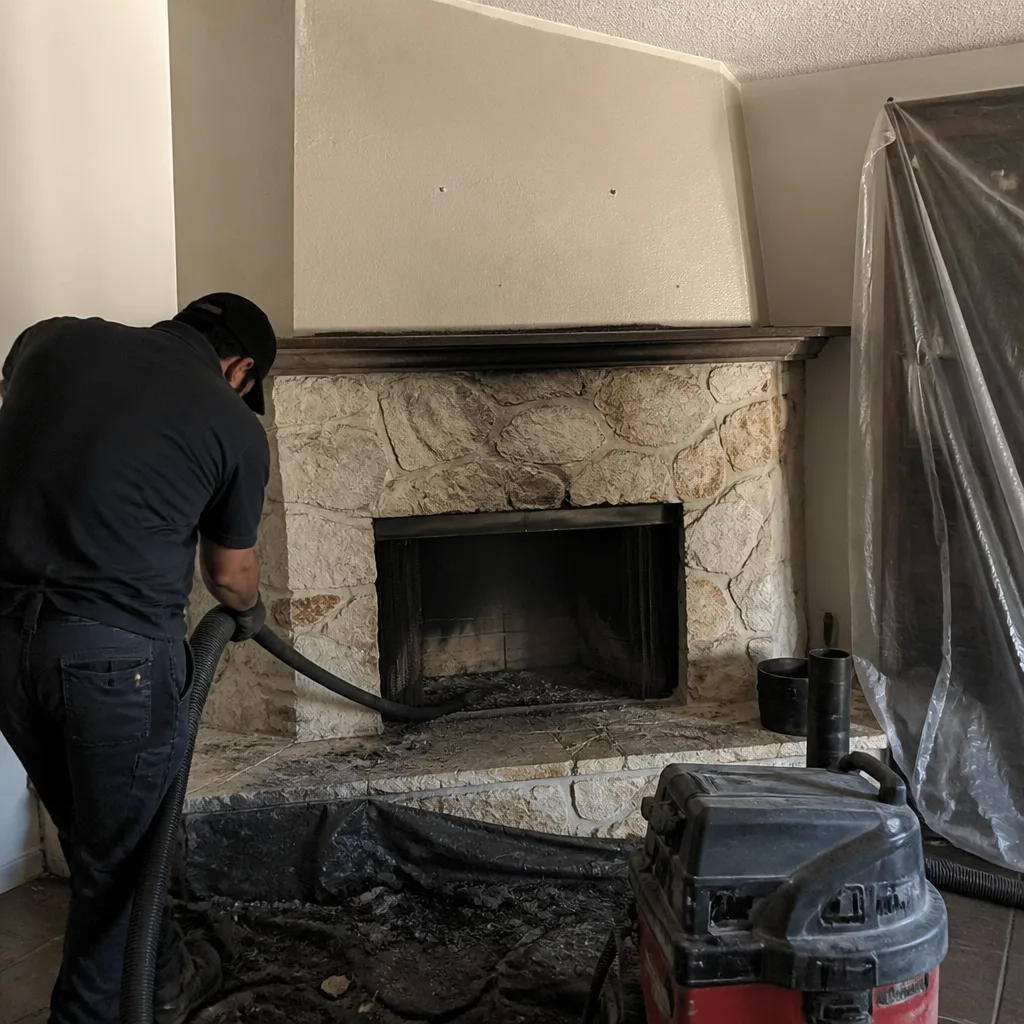 Before
 After
After