
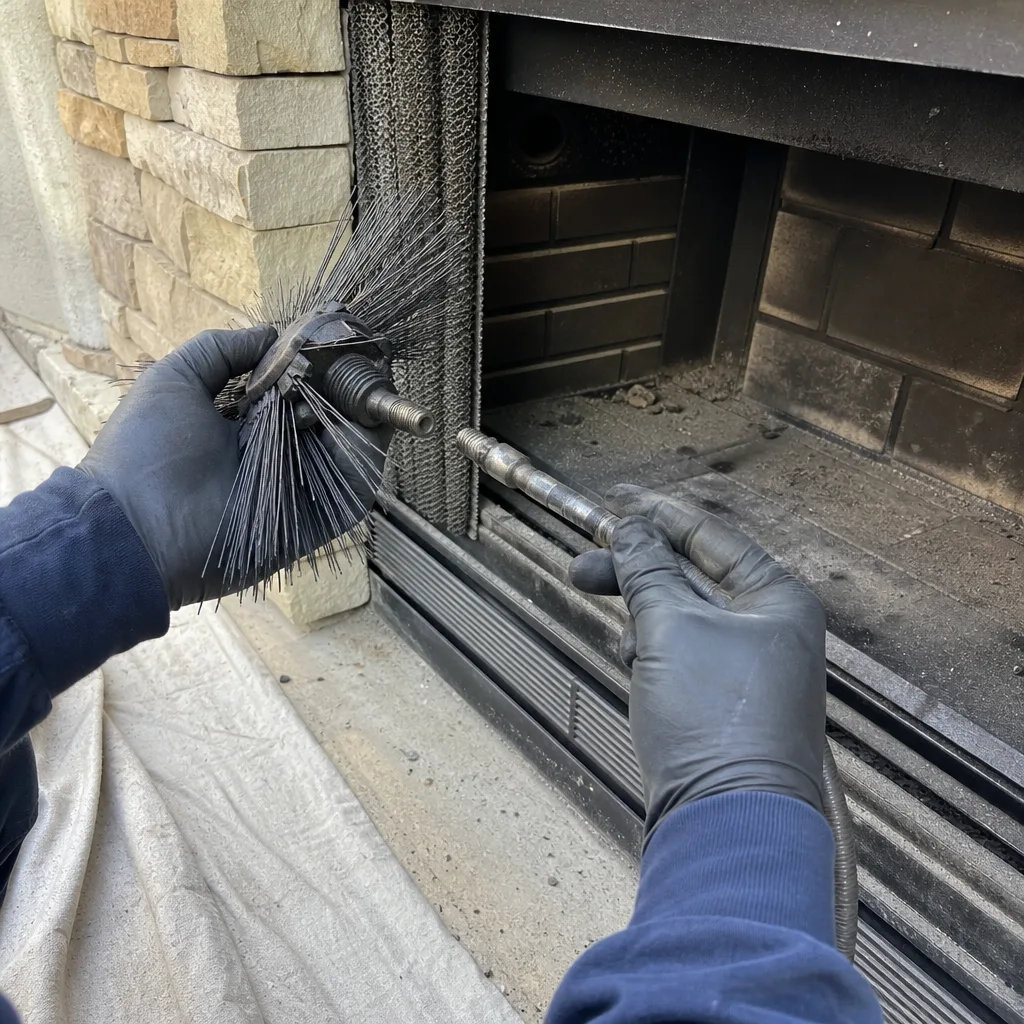
Last updated October 15, 2026
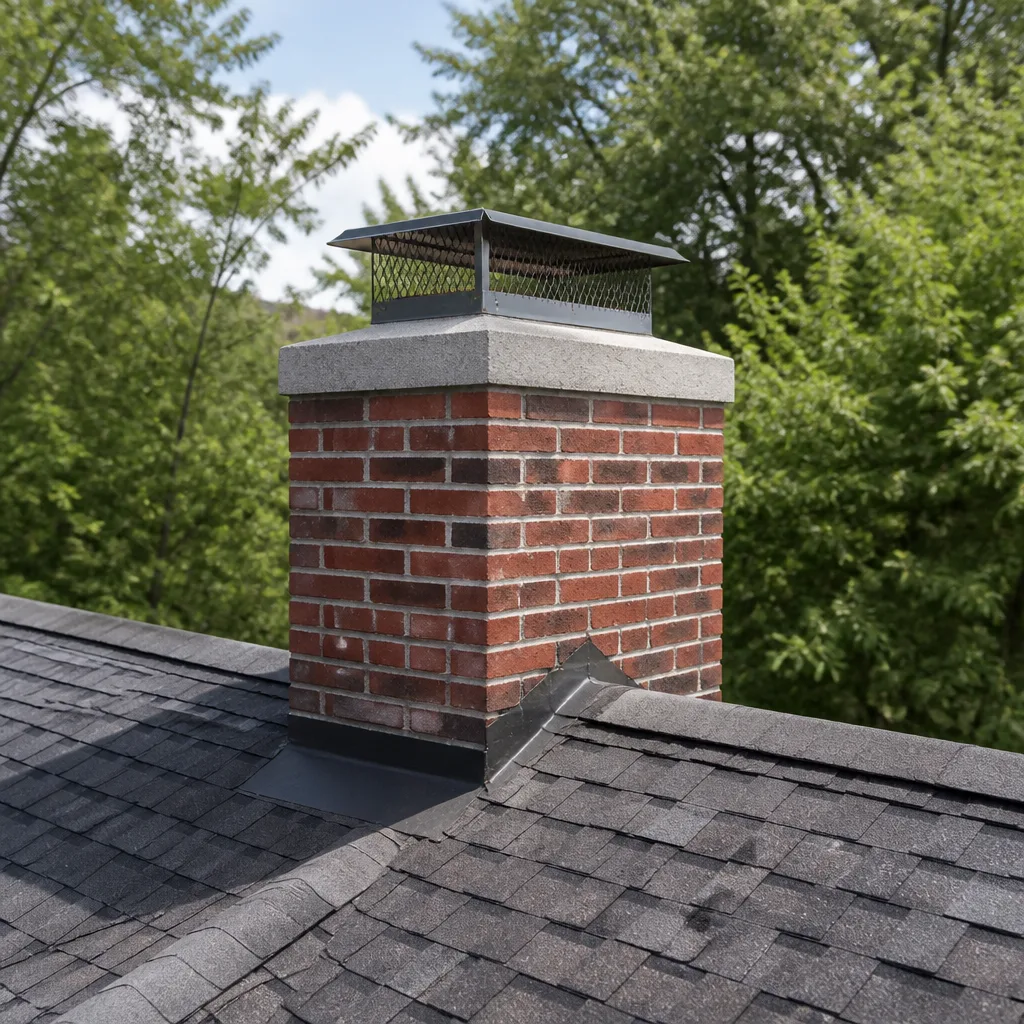 Sweep & inspection
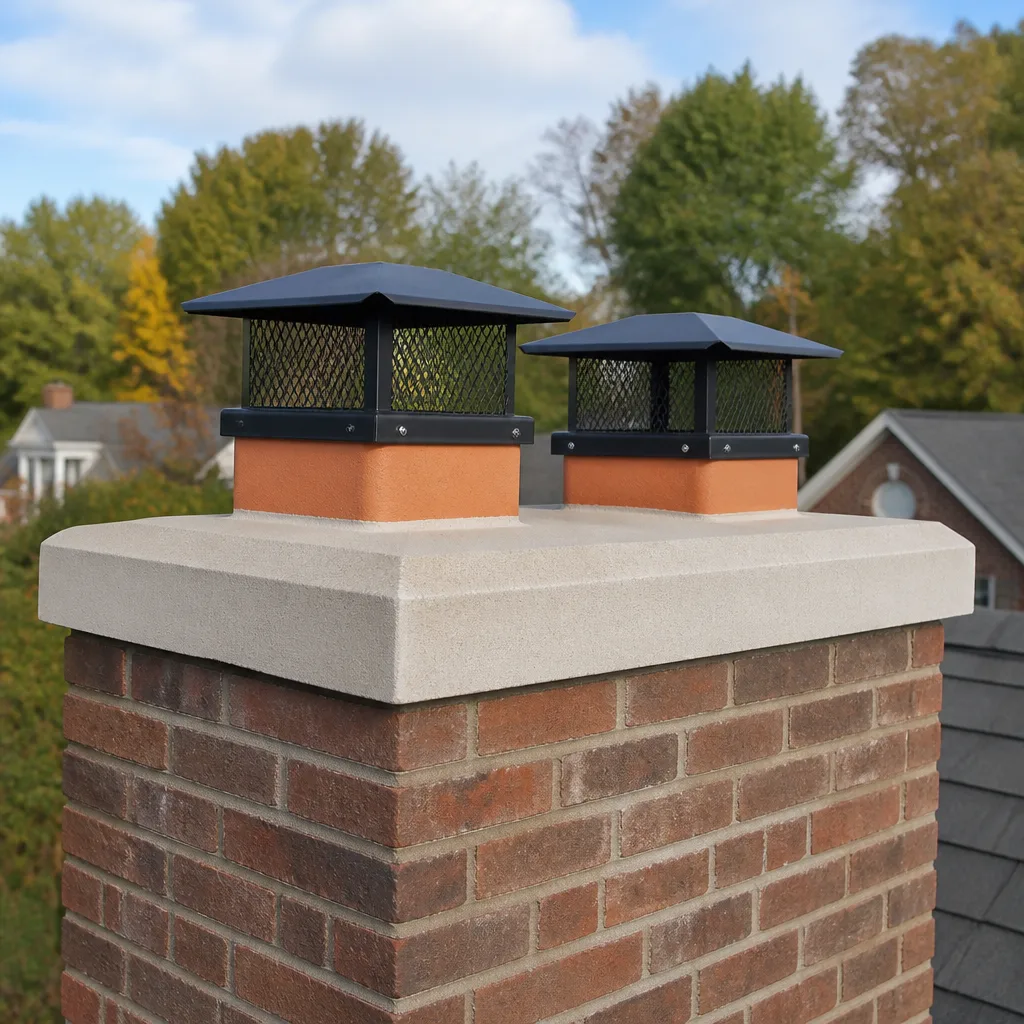 Caps & crowns
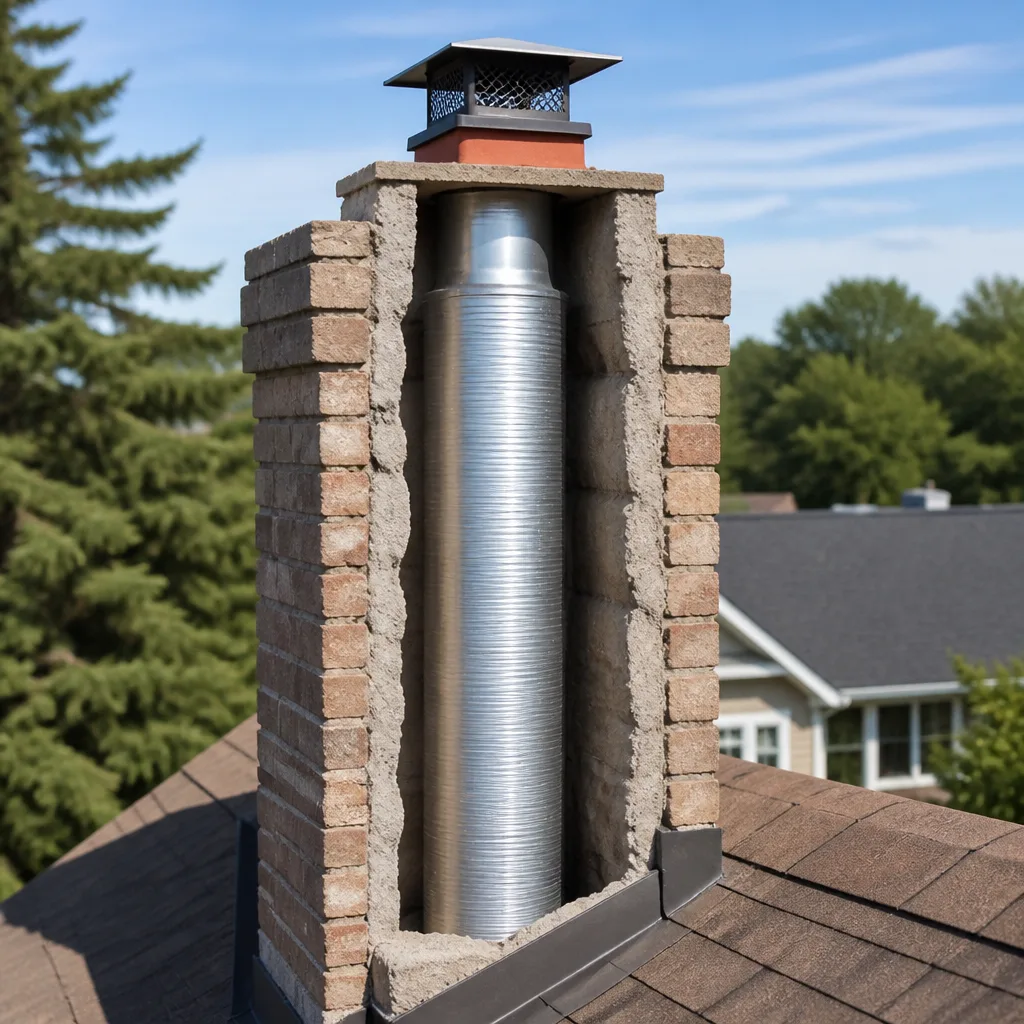 Flue relining
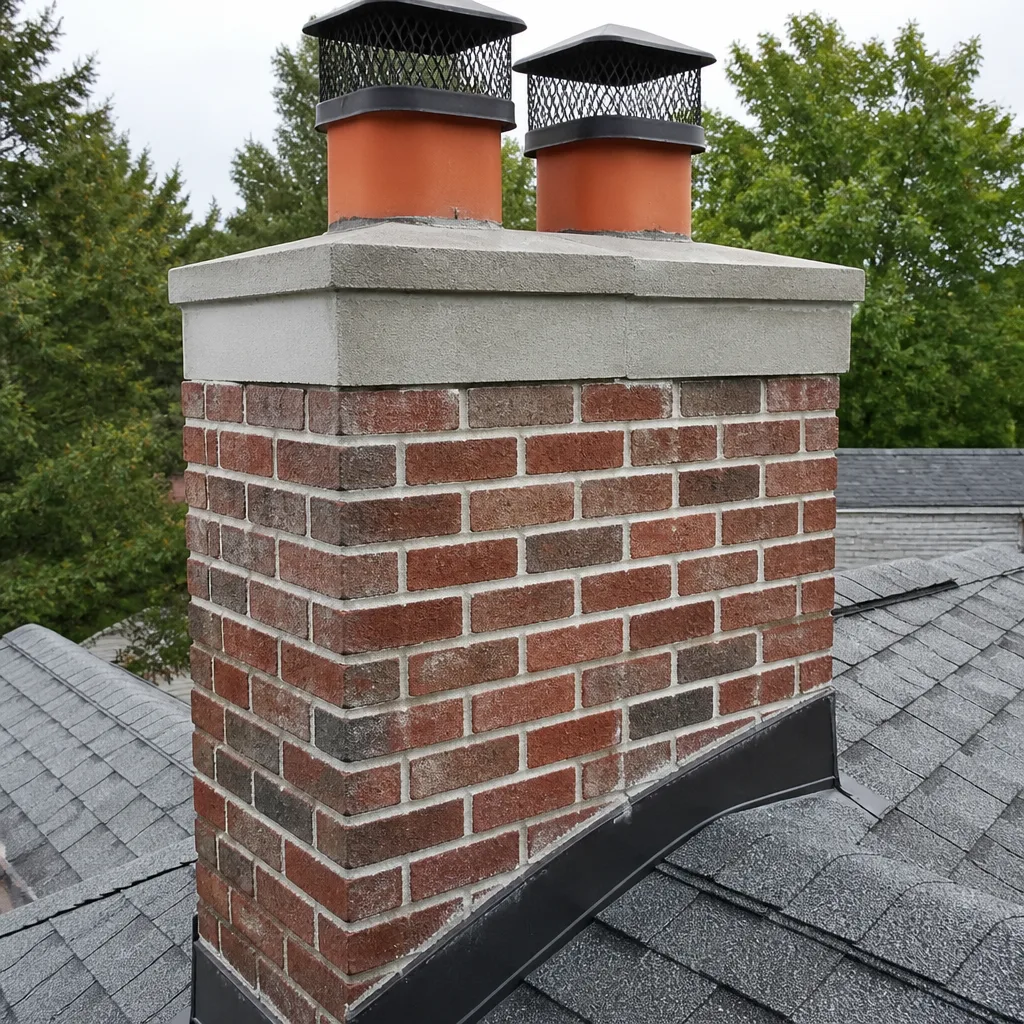 Masonry repair
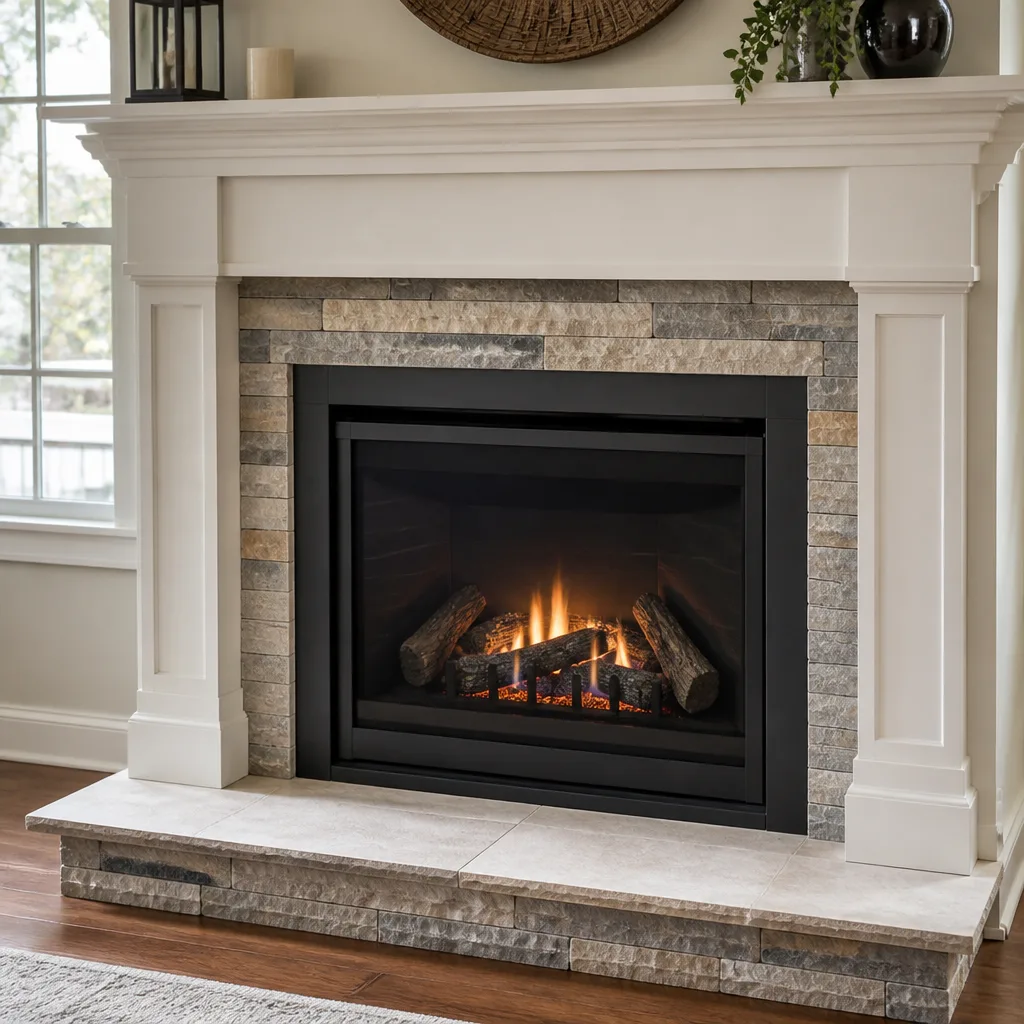 Gas fireplace service
Level 1 sweep and inspection to the NFPA 211 annual standard - flue, crown, cap, and flashing checked and photographed
Chimney sweep logs do not sweep chimneys. They loosen some creosote - which then falls where a brush and vacuum still have to collect it.
Chimney Sweep Maintenance Checklist for West Covina Homeowners
Here’s a strange truth about West Covina chimneys: the most expensive problems we find are almost always the ones that would have been cheapest to catch. A hairline crack in a chimney crown runs about $35 to seal. Wait five years, and that same crack lets water into the brick, freezes and thaws through a couple of cold snaps, and you’re looking at $2,500 in masonry rebuild. The checklist below isn’t just a list of things to look at. It’s a system for catching problems while they’re still cheap, with a clear verdict on every single item: safe, monitor, or call now. We’ll walk you through what to inspect from the ground, what to check inside the firebox, what West Covina’s specific weather does to chimneys, and how to document everything so next year you’re comparing photos instead of relying on memory.
Styles & brands we work with
Quick Answer
A proper West Covina chimney maintenance checklist has three parts: check the exterior masonry for cracks and white staining, inspect the interior firebox and damper for soot buildup and warping, and verify the chimney cap and flashing are intact. If your damper doesn’t seal, you see white salt staining on the brick, or you can scrape more than 1/8 inch of creosote (the flammable tar buildup that makes chimneys a fire risk) off the flue walls, call a chimney professional. For most West Covina homes that burn wood more than twice a month during winter, a professional sweep once a year is the right interval, paired with your own quick visual checks every 90 days.
Table of Contents
- Exterior Checks: What West Covina Weather Does to Brick and Mortar
- The Damper Comes First: The Cheapest Fix on the List
- Firebox and Smoke Shelf: The Interior Inspection Sequence
- Creosote Buildup: The One Measurement That Decides Urgency
- Chimney Cap and Flashing: The Water Intrusion Checkpoint
- Gas Fireplace Notes for West Covina Homes
- How to Document Your Chimney’s Condition Year to Year
- When Your Checklist Is Not Enough: Insurance and Disclosure
- Common Mistakes to Avoid
- When to Call a Professional
- Frequently Asked Questions
- The Bottom Line
Exterior Checks: What West Covina Weather Does to Brick and Mortar
Start every maintenance check from the sidewalk or backyard, not the roof. You can identify most serious exterior problems without a ladder, and doing so keeps you off a steep West Covina roofline where a fall is a real hazard. Walk the full perimeter of the house and look at the chimney from at least three angles. You’re looking for three specific things: cracks, staining, and lean.
The verdict system works like this:
- Safe: No visible cracks, no staining, chimney is plumb. Move on.
- Monitor: Hairline cracks smaller than 1/16 inch with no moisture signs. Photograph and recheck in 90 days.
- Call now: Any crack wide enough to fit a coin edge, white staining that reappears after rain, or any visible lean away from the house.
West Covina has a specific weather pattern that punishes chimneys in a way San Gabriel Valley neighbors further inland don’t experience quite as intensely. We’re close enough to the coast that marine-layer moisture pushes up against the San Jose Hills, especially in the evening and early morning from May through July. That moisture settles on porous brick and mortar, then the afternoon sun bakes it back out. Repeat that cycle a few hundred times and you get efflorescence, which is the white salt staining you see on chimney exteriors. It’s not just cosmetic. Efflorescence means water is moving through the masonry, carrying mineral salts to the surface. When you see it on a West Covina chimney, the brick is absorbing water, and water absorption is what leads to spalling (brick faces popping off) and mortar joint failure.
One thing you’ll hear from older homeowners in West Covina is that the chimney has “always had that white stuff” and it’s fine. Our experience is that efflorescence that’s been there for years and hasn’t changed is a monitor item. Efflorescence that grows, darkens, or spreads after rain is a call item, because it means the water path is active and getting worse. Also worth noting: many West Covina homes built in the 1950s and 1960s in neighborhoods like Woodgate, South Hills, and the area around Cortez Park used chimney brick that simply wasn’t rated for decades of wet-dry cycling. Those chimneys show age faster than newer construction.
The Damper Comes First: The Cheapest Fix on the List
The most overlooked item on every chimney checklist is also the cheapest fix: the damper. A warped or stuck damper in a West Covina home doesn’t just let conditioned air escape; it’s the number-one reason homeowners smell smoke in their living room on the first fire of the year. Here’s what happens: the damper sits above the firebox, and when it’s closed, it seals the flue so warm house air doesn’t rise up the chimney. But dampers live in a brutal environment. They sit directly above the fire, so they cycle from room temperature to several hundred degrees and back every time you burn. Over a few seasons, the metal warps. A warped damper never closes completely, even when the handle feels like it’s in the closed position.
To check your damper, wait until the fireplace is completely cool, then open the damper plate and look up. You should see a clean opening to the flue. Now close it and notice whether the plate seats flush against the frame. Run your fingers around the edge (once cool, with a flashlight) and feel for gaps. If you can slide a butter knife through the gap, conditioned air is escaping your house through that gap every single day. In the height of summer, that’s your air conditioning. In winter, it’s your heat.
Verdict:
- Safe: Damper opens and closes smoothly, seats flush, no gaps. You’re good.
- Monitor: Slight resistance when operating, or a gap smaller than 1/8 inch. Lubricate the hinge if accessible, recheck next fire.
- Call now: Damper won’t move at all, is visibly warped, or has gaps wider than 1/8 inch. Replacement generally runs $250 to $500 in the West Covina area, which is cheap compared to the energy you’re losing. A new damper typically pays for itself in a few years of reduced heating and cooling loss.
While you’re here, check the damper for rust. Surface rust is normal. Rust that flakes off in chunks or has eaten pinholes through the metal means moisture is getting down the flue, which points to a chimney cap problem, which we’ll cover below.
Firebox and Smoke Shelf: The Interior Inspection Sequence
The interior inspection follows a specific order because each component tells you something about the ones above and below it. We’ll walk through the sequence a chimney professional uses, adapted for what you can safely see and do from the floor without climbing or crawling. Here’s the order: firebox floor, firebox walls, smoke shelf, damper (covered above), then up the flue.
- Firebox floor. Shine a flashlight across the floor of the firebox, not straight at it, so shadows highlight cracks. Look for gaps between firebrick panels bigger than 1/4 inch. A cracked firebrick that’s still seated is a monitor item. A firebrick that has shifted or fallen out is a call item, because fire can now reach the materials behind it.
- Firebox walls. Same technique. Look for cracked or missing mortar joints. In West Covina homes we frequently see fireboxes from the original construction still in place, and the mortar has turned sandy and loose. If you can scrape mortar out with a fingernail, it’s failing. This is a call item if it’s widespread, because the firebox is supposed to contain the fire. A failing mortar joint means heat and sparks can reach the framing.
- Smoke shelf. Reach up above the damper (use a mirror and flashlight if you can’t get your head in) and look at the smoke shelf. This is the flat ledge where debris and soot naturally collect. What you’re checking for is whether debris has piled up enough to block the airflow path. You’ll typically see a light layer of soot and maybe a few twigs. That’s normal. What’s not normal is a thick mat of material that looks wet or has a tar-like sheen. That’s creosote buildup, and a wet creosote coating on the smoke shelf means the flue above is also coated.
One note on tools: we’d rather you use a mirror and a good flashlight than a phone camera, because the flash on a phone can wash out the shadows that show cracks. But photographing what you see is great for documentation, which we’ll get to below.
Creosote Buildup: The One Measurement That Decides Urgency
Creosote is the flammable tar buildup that forms when wood smoke condenses on the cooler walls of the flue. Every wood-burning chimney produces some creosote. The question is how much is too much, and there’s actually a specific measurement the National Fire Protection Association uses, which is 1/8 inch. For a deeper dive, see The Complete Guide to Chimney Cleaning in West Covina. At 1/8 inch of creosote buildup, the flue needs professional cleaning before the next fire. This isn’t an arbitrary threshold; at that thickness, a chimney fire has enough fuel to sustain itself and reach temperatures that can crack the flue liner.
You can check this from the firebox with a flashlight. Look up past the damper at the flue walls. If you see a thin, dusty, gray or brown coating you can still see the brick or liner pattern through, that’s a normal amount for one season. If the coating looks thick, shiny, black, or has a drippy, tar-like appearance (often called third-degree or glazed creosote), that’s a call item and you should not burn again until it’s cleaned. Glazed creosote is genuinely dangerous: it burns hotter and faster than dry, flaky deposits, and it’s much harder to remove.
For West Covina homeowners, the math works like this:
- Burn less than twice a month, only during December and January, and the fires are quick and hot? A professional sweep every other year is usually fine. Do your own visual check annually.
- Burn several times a week during winter, or burn soft wood, green wood, or artificial logs? Annual sweep, no question. We see the heaviest creosote buildup in homes that burn those store-bought pressed logs every night, because they smolder at a low temperature and produce a lot of smoke, and smoke is what makes creosote.
- Just bought a house in West Covina and don’t know the chimney’s history? Sweep before the first fire. It’s the only way to establish a clean baseline, and it’s the one case where the cost of skipping it can be catastrophic.
Chimney sweeps in the West Covina area typically run $149 to $299 depending on flue size and accessibility. That’s cheap compared to a chimney fire repair, which can run into the thousands. There’s a full breakdown in our Chimney Sweep in West Covina guide.
Chimney Cap and Flashing: The Water Intrusion Checkpoint
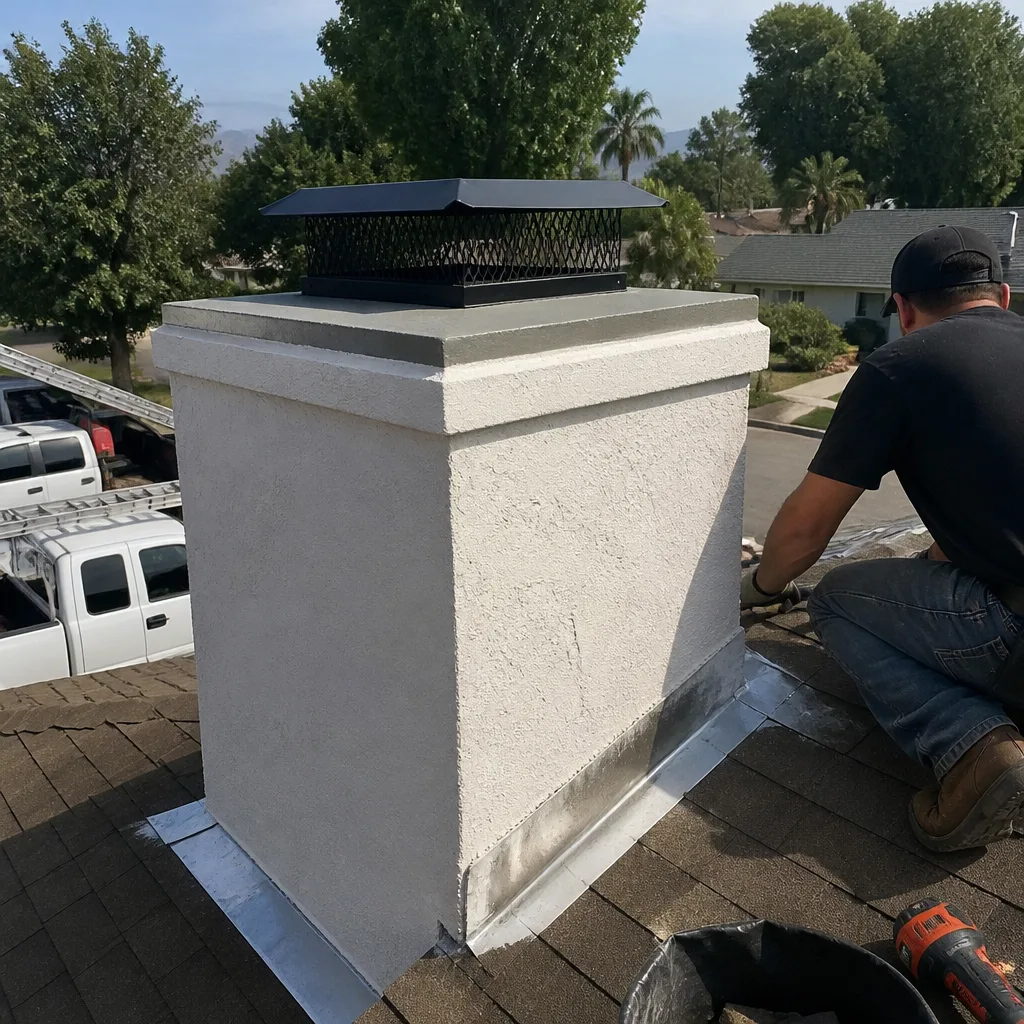
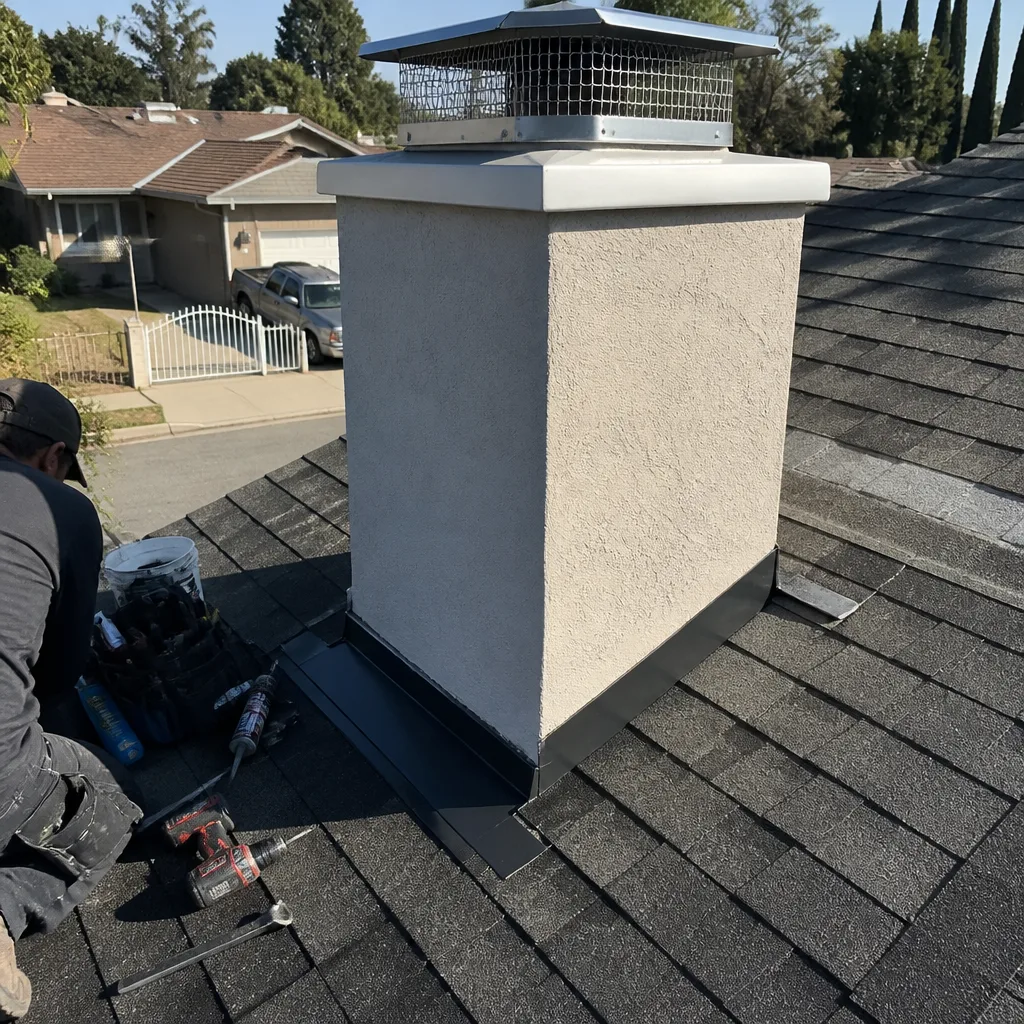
Your chimney cap is a metal hood or mesh-covered top over the flue opening. Its job is to keep rain, leaves, birds, and rodents out of the flue while letting smoke out. Your flashing is the metal layer that seals the seam where the chimney meets the roof. Together, these two components are the reason most chimneys either stay dry for decades or start falling apart from the inside.
From the ground, look for these signs:
- No cap at all. If you can see straight down into the flue opening from the ground, you don’t have a cap. This is a call item. Rain falls directly into the flue and collects on the smoke shelf, where it mixes with creosote and forms an acidic slurry that eats mortar joints. Installing a stainless cap runs $180 to $350 in our market and prevents most interior water damage.
- Rust streaks or orange staining on the chimney exterior below the cap. This means the cap has rusted through and is shedding rust every time it rains. Monitor if the streaks are old and fading; call if they’re fresh or spreading.
- Damaged screen mesh. If you can see the mesh from the ground and it’s torn or pushed up, a bird or raccoon has probably tried to get in. This is a monitor item if no animals are active; you’ll want to fix it before nesting season starts in spring, because the nest itself becomes a fire hazard and a blockage. This is a call item if you can hear animals inside.
Flashing is harder to check because it sits at the roofline. From the ground, look for gaps between the flashing and the chimney brick, or for lifted shingles around the chimney base. Inside the attic, if you have one, look at the chimney chase for water stains. Any active water stain below the roofline is a call item. Flashing repair runs $400 to $900 in West Covina, but flashing left to fail lets water into the roof deck and ceiling, and we’ve seen repairs of that nature cost five figures.
Gas Fireplace Notes for West Covina Homes
Roughly a quarter of the chimneys we service in West Covina are attached to gas fireplaces, and the maintenance rules are different enough that they need their own section. Gas fireplaces don’t produce creosote, because there’s no wood smoke. But they do produce water vapor and acidic combustion byproducts, and they don’t get the same hot airflow that burns off the debris that settles in the flue.
Here’s the gas fireplace checklist:
- Check for soot inside the glass. A properly adjusted gas fireplace that vents correctly won’t produce soot. Soot on the glass or firebox walls means incomplete combustion, which means either the air-to-fuel ratio is off or the vent is partially blocked. Call item if visible soot is present.
- Verify the pilot light and ignition. Turn the fireplace on from cold and time how long it takes to light. More than 10 seconds, or any delay with a click-click-click repeated ignition attempt, is a monitor item. Have a technician check the thermocouple and igniter during your next service visit. If you smell gas before it lights, that’s a call item, and you should shut off the gas valve until a technician arrives.
- Check the exterior vent cap. Gas fireplaces in West Covina homes often vent through a side wall rather than the roof. Make sure the vent cap is clear of leaves, spider webs, and bird activity. A blocked gas vent is a carbon monoxide risk. This is a call item if the vent is obstructed.
- Know the age of your gas logs. Ceramic gas logs last 10 to 15 years with normal use. When they start to crumble or develop white oxidation on the surface, replacement is straightforward. Monitor until they crumble, and don’t burn a gas fireplace with damaged logs; the crumbling ceramic can block the burner ports and create uneven combustion.
Gas fireplaces need professional service less often than wood-burning, every two to three years is a reasonable interval. We have a dedicated guide on Gas Fireplace Repair in West Covina if you’re dealing with a specific symptom.
How to Document Your Chimney’s Condition Year to Year
Here’s the problem with doing a maintenance checklist once and then forgetting about it: by next year, you won’t remember whether that crack was always there, whether the efflorescence got better or worse, or what the damper gap looked like. Your memory just isn’t a good tool for that. The fix is a documentation system so simple you’ll actually stick with it.
Create a folder on your phone called “Chimney” and shoot the same five photos every season:
- Full chimney from the street side, showing the entire structure and roofline
- Close-up of the crown and cap from the ground
- Close-up of the firebox interior, flashlight angled across the floor
- Close-up of the damper in the closed position, from below
- One photo of the exterior brick at the base, showing the mortar joints
On the first inspection, take all five photos. Every 90 days, retake the same five photos from the same positions. When you compare photos side by side, changes become obvious in a way that memory never reveals. A hairline crack that grows from 1/16 inch to 1/8 inch over a year shows up as a clear change in the photo. A damp spot that becomes an active water path shows up as a widening stain.
This matters especially in West Covina because our wet-dry cycle acts slowly. The damage accumulates over months, not days, and a year’s worth of small changes is exactly what shows up in a photo comparison. When you do schedule a professional service, show them the photos. It gives them a baseline to work from and can save a diagnosis step.
When Your Checklist Is Not Enough: Insurance and Disclosure
There are two situations where your own inspection, no matter how thorough, is not sufficient documentation: California insurance claims and real estate disclosure. This section is not about scare tactics. It’s about understanding what your insurance policy and your legal obligations actually look like, because the gap between “I checked it myself” and “I have a professional inspection report” is real and can be expensive.
Insurance: Most California homeowners insurance policies cover sudden, accidental fire damage. What they typically don’t cover, or will fight you on, is damage that can be shown to have been preventable. If a chimney fire starts in a flue that hasn’t been professionally swept in five years, and the adjuster finds a thick creosote buildup, you may find your claim denied on the grounds of negligent maintenance. A dated professional sweep report is your evidence that you maintained the chimney. A folder of your own photos is helpful context, but it doesn’t replace that professional record.
Real estate disclosure: California’s real estate disclosure law requires sellers to disclose known material defects on the property. The key question is what “known” means. If you’ve lived in the home for years and the chimney has obvious problems, saying you didn’t know is not a reliable defense if a reasonable person would have noticed. A documented inspection history works two ways: it protects you as a seller because you can show you maintained the system and disclosed everything you knew, and it protects you as a buyer because you can show the seller had professional reports and failed to disclose them. For anyone buying or selling in West Covina, a professional chimney inspection is one of the cheapest forms of legal protection you can buy.
This is where our Chimney Repair in West Covina process becomes useful; every repair we do includes a written report with before and after photos, so you have the documentation trail built in.
Common Mistakes to Avoid
- Skipping the damper check because it’s not visible from the floor. The damper is the single highest-impact item on this checklist for energy loss and smoke smell, and it takes two minutes with a flashlight. Don’t skip it.
- Burning pine or softwood from the big-box store. Pine produces more creosote than seasoned hardwood like oak or maple. If you’re in West Covina and buying firewood from a gas station or grocery store, you’re probably burning pine, and it’s probably green. Buy seasoned hardwood from a dedicated firewood supplier instead.
- Assuming a gas fireplace needs no maintenance. Gas is cleaner than wood, but gas fireplaces still need vent checks and log inspection. Carbon monoxide detectors don’t get you out of maintaining the vent itself.
- Painting or sealing chimney brick with the wrong product. Chimney brick needs to breathe. Sealing it with a waterproof paint designed for interior walls traps moisture inside the masonry and accelerates spalling. If you want to seal a chimney in West Covina’s damp climate, use a vapor-permeable masonry sealant designed for chimneys, or leave it to a professional.
- Waiting until October to book a chimney sweep. Every chimney company in the San Gabriel Valley gets hammered with calls in October and November. Book in late summer or early fall while you still have scheduling flexibility. It’s one less thing to manage during the holiday squeeze.
- Assuming a visible crack is harmless because the chimney still works. The chimney is a system. A crack in the crown lets water in, and that water eventually reaches the firebox, the smoke shelf, or the framing. Cracks never get smaller. If you’d want a plumber to look at a dripping pipe, a chimney crack deserves the same urgency.
When to Call a Professional
Call a professional if any of the following match what you’re seeing: a damper that doesn’t seal or is warped, white efflorescence that appears or spreads after rain, glazed or tar-like creosote buildup, cracked or missing firebrick, water staining in the attic below the chimney, soot buildup in a gas fireplace, or any flash or flue obstruction that requires getting on the roof. Roof work and flue work are the two areas where we’d rather you not climb anything; the fall risk is significant and the equipment is specialized. Hadley Chimney West Covina offers free estimates in West Covina, and our technicians arrive in a tracked window with the tools and cameras to inspect what you can’t see. Call (661) 402-9036 to schedule.
Frequently Asked Questions
A wood-burning chimney should be professionally swept once a year if you burn frequently (several times a week during winter), and once every two years if you burn occasionally (a few times a month or less). The National Fire Protection Association’s standard is to sweep when creosote reaches 1/8 inch thickness, but since most homeowners can’t reliably measure that thickness themselves, the annual schedule is the safe default. West Covina’s damp winter air can accelerate creosote formation when smoke condenses on cooler flue walls, so err toward more frequent sweeping if you’re unsure. Call (661) 402-9036 for a precise quote. Estimates are free.
A standard chimney sweep in West Covina typically runs $149 to $299 depending on flue size, roof accessibility, and the amount of creosote buildup. Sweeps that include a video inspection or a cleaning of a badly glazed flue cost more because they take longer and require chemical treatments. The $149-$299 range covers most single-family homes in our service area. For a fixed quote, call (661) 402-9036. We provide a written price before any work begins.
Not always, and you should ask for camera evidence before agreeing to a liner replacement. A stainless steel liner (like the DuraFlex systems we install) is needed when the original clay liner is cracked, spalling, or missing sections; when the flue is unlined and you’re burning wood; or when a new gas appliance requires a properly sized liner for safe venting. But a liner recommendation should be backed by interior camera footage you can see. If a company can’t show you the crack, get a second opinion. We photograph and document every liner deficiency so you can see exactly what we’re seeing.
The realistic answer depends on how much you use the fireplace. A chimney that’s never used will simply collect moisture and debris; that’s a slow deterioration problem, not an urgent fire risk. A chimney that’s used regularly and never swept builds up creosote, and creosote is the fuel for chimney fires, which can crack liners, ignite surrounding framing, and burn down the house. Between those two extremes, you’ll also get smell, smoke backup, and the gradual decay of the firebox and smoke shelf. Skidding between annual sweeps saves about $200 and risks losing the home to fire. Call (661) 402-9036 if you’ve lost track of when your chimney was last cleaned.
The Relay Visibility Guarantee is a set of standards we adhere to on every job: live arrival tracking, before-and-after photo documentation, and a written price before any work begins. The chimney trade has historically run on vague four-hour windows and verbal quotes that change once the technician is on the roof. We think that’s a broken model. As part of the Relay Home Co. family, Hadley Chimney West Covina gives you the same visibility you’d expect from any modern home service: a live person on the phone 24/7, a tracked technician, and a digital invoice you can pay from your phone.
You can, but we don’t recommend it for two specific reasons. First, DIY sweeps don’t include a camera inspection, which is how you find cracked liners and failing mortar joints before they become expensive. Second, the safety risk of getting on a West Covina roof with unfamiliar equipment is real; chimney professionals use harnesses and proper ladder stabilization, and even then it’s a regulated trade for good reason. If you want to save money, there’s a simpler path: do your own ground-level maintenance checks on this list, keep your documentation photos updated, and call a professional for the actual sweep. Call (661) 402-9036 to book an inspection with the camera work included.
The Bottom Line
A chimney maintenance checklist is only as good as what you do with what you find. The three-part system here is built around that: inspect the exterior masonry and damper first, document everything in a dated photo folder, and act on any call-level finding before it becomes structural. West Covina’s damp coastal air and hot afternoon sun punish chimneys that don’t get regular attention, but the fixes are predictable and affordable when caught early. A damper that seals, a cap that keeps water out, and a flue cleaned before creosote hits 1/8 inch: that’s the difference between a chimney that’s an asset and one that’s a liability. If you’re not sure what you’re looking at, send us your photos or schedule a visit, and explore more guides & resources on our blog. We’d rather tell you it’s fine than sell you something you don’t need.
Written by Cory Mitchell, Owner at Hadley Chimney West Covina, serving West Covina since 2003.
See the difference
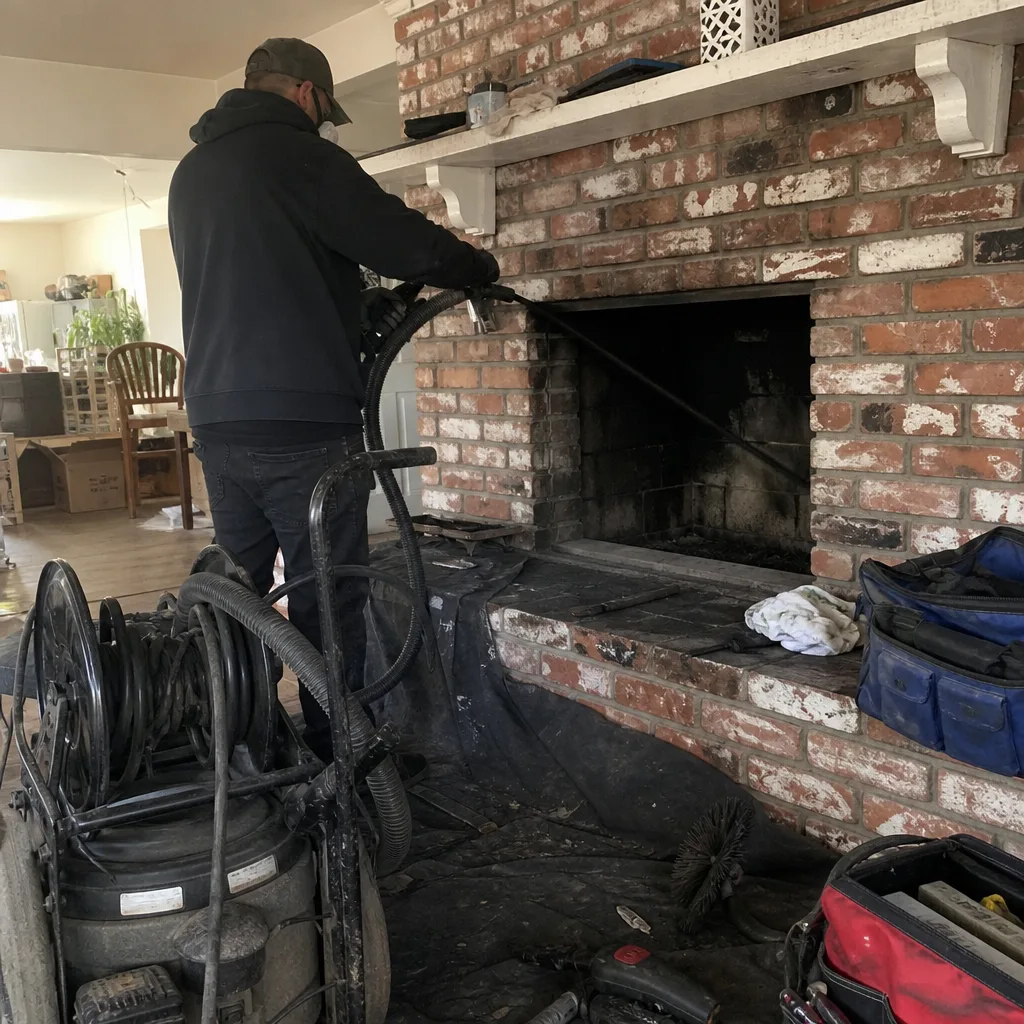 Before
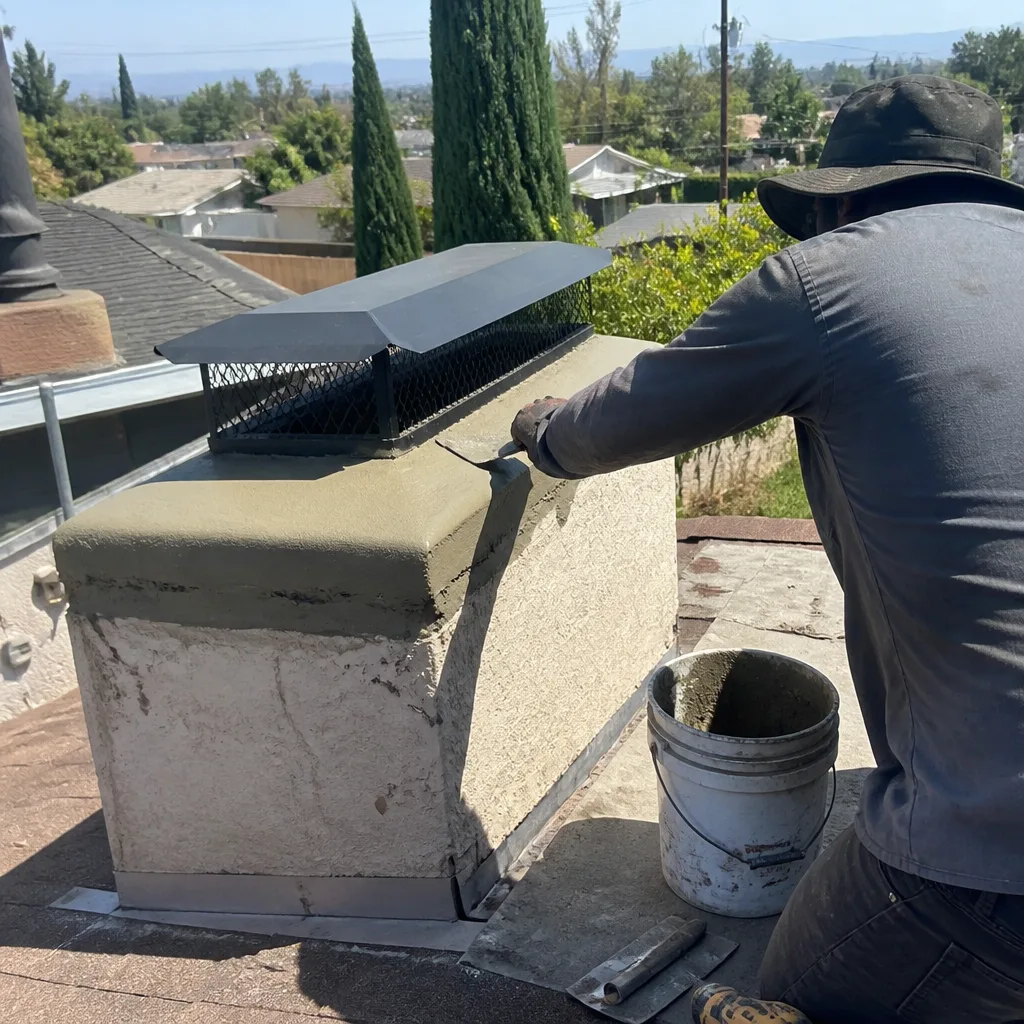 After
After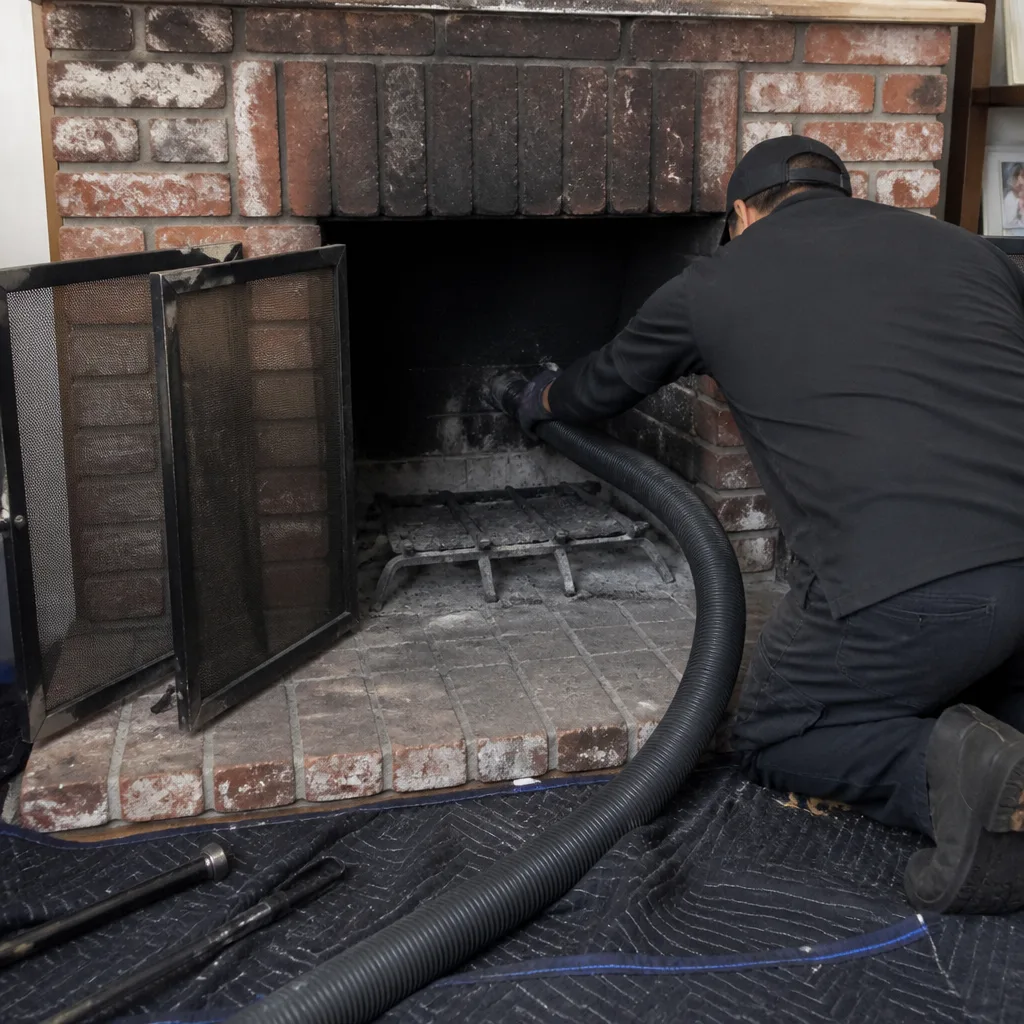 Before
 After
After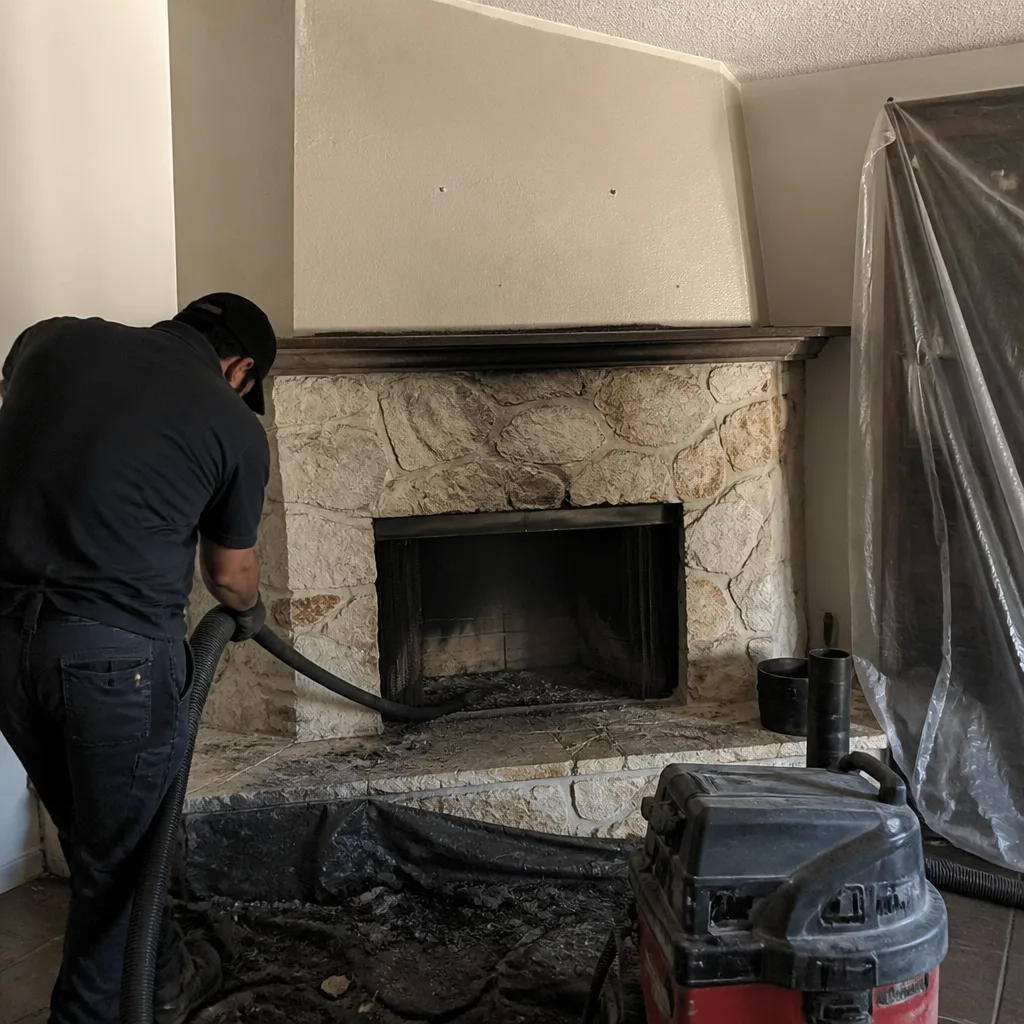 Before
 After
After