
Last updated October 15, 2026
 Sweep & inspection
 Caps & crowns
 Flue relining
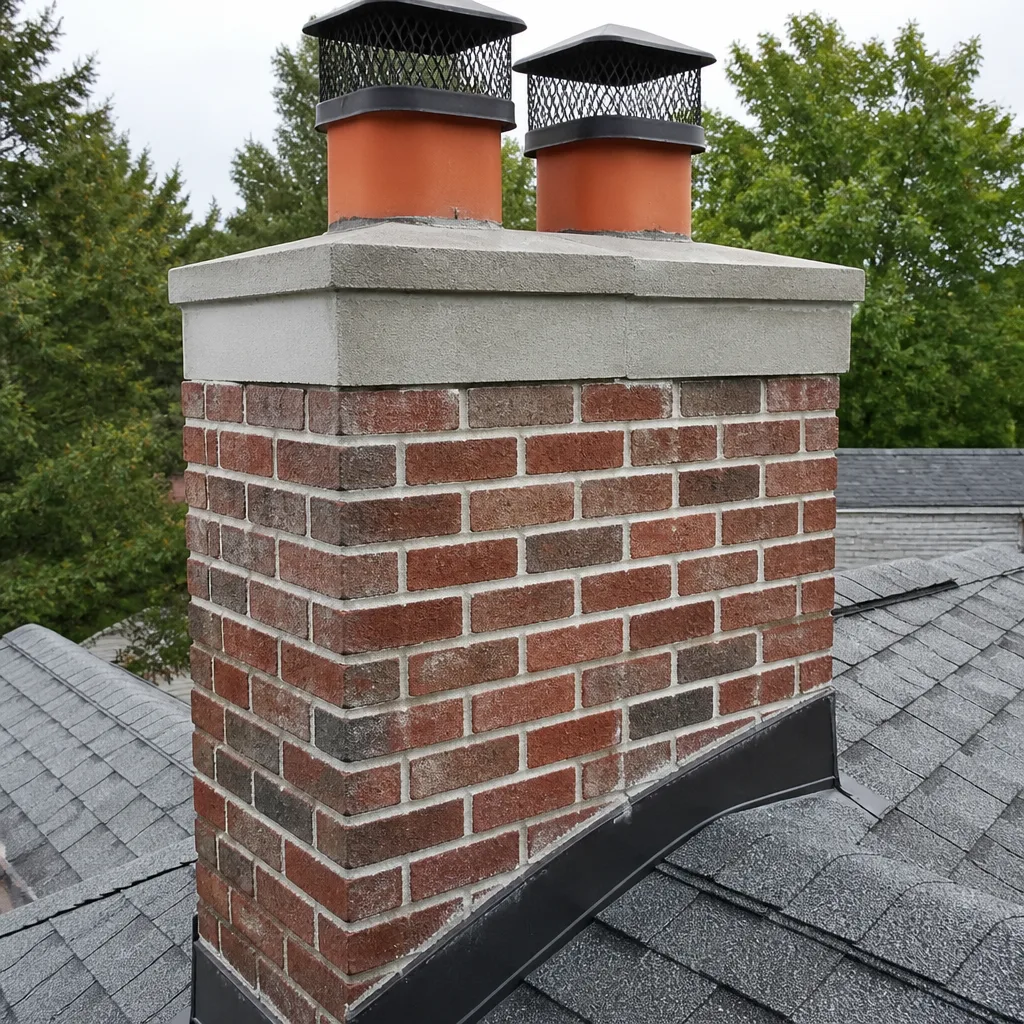 Masonry repair
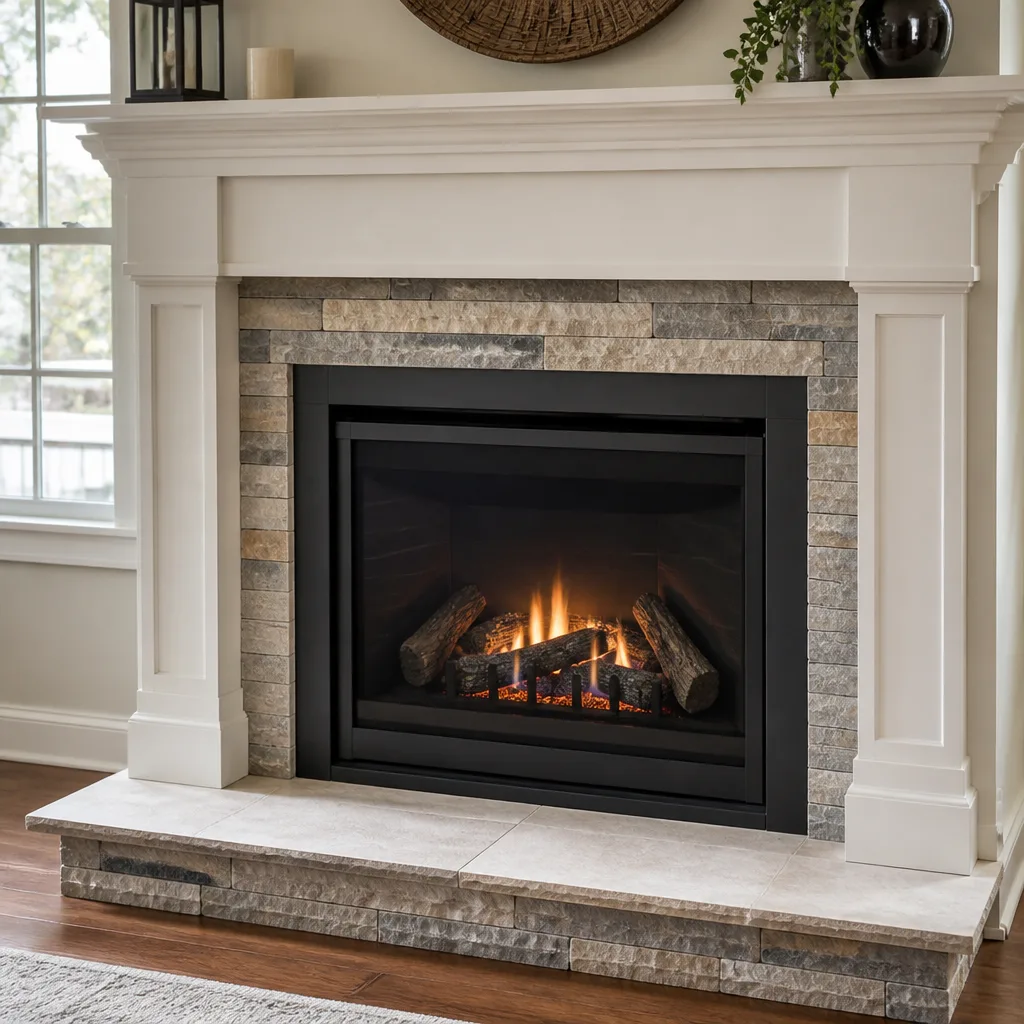 Gas fireplace service
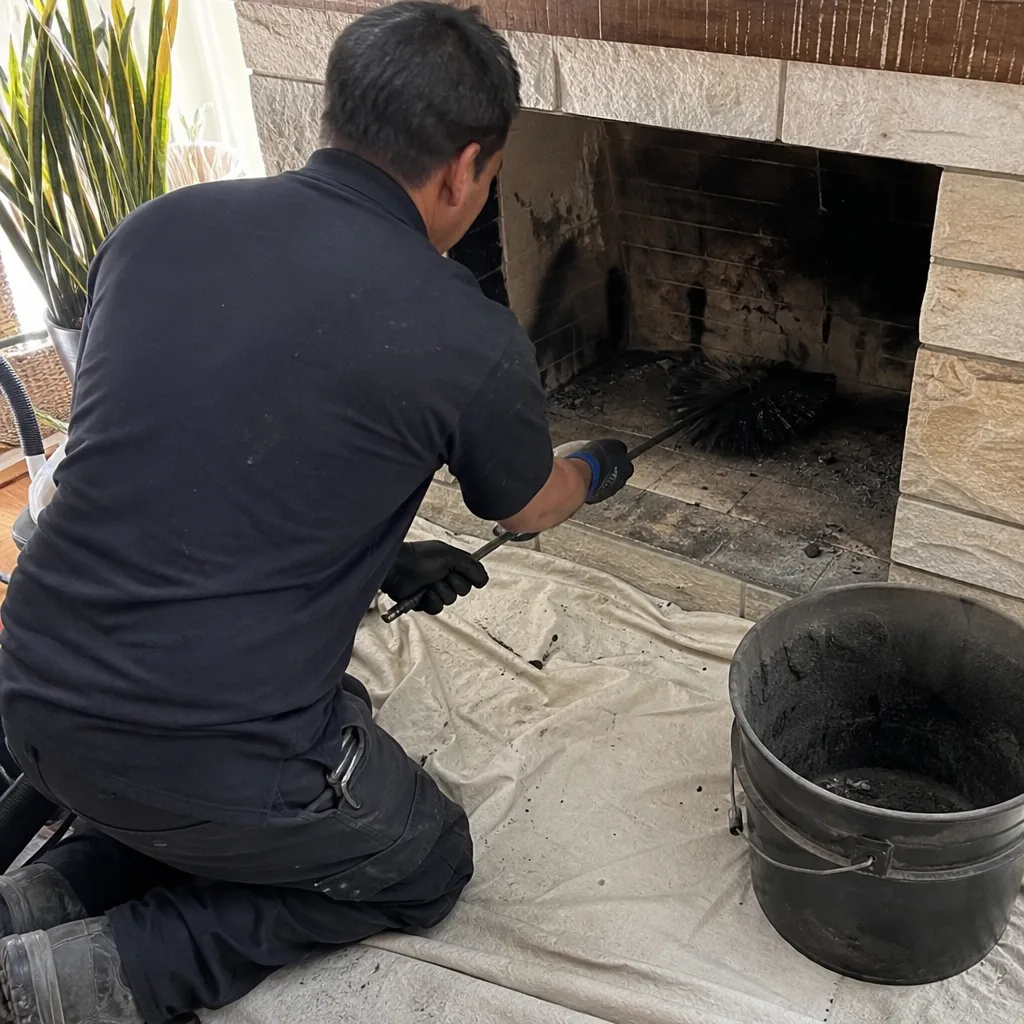
Level 1 sweep and inspection to the NFPA 211 annual standard - flue, crown, cap, and flashing checked and photographed
Chimney sweep logs do not sweep chimneys. They loosen some creosote - which then falls where a brush and vacuum still have to collect it.
Chimney Cleaning Warning Signs: A West Covina Homeowner’s Reference Guide
Here’s a counterintuitive fact that surprises most West Covina homeowners: the majority of serious chimney problems we find are never spotted from inside the living room. They announce themselves on the roof, on exterior brick, or through a smell you’ve started ignoring because it shows up every August. This guide is different from the typical symptom list because it explains what each warning sign means structurally, and for more guides & resources you can visit our blog. You’ll learn which signs you can watch from the ground, which need a camera or a roof inspection, and most importantly, whether you’re looking at a cosmetic issue, a maintenance item, or a stop-using-the-fireplace-now problem. By the end, you’ll know exactly what to photograph, what to tell a sweep on the phone, and what you can safely watch for another season.
Quick Answer
The most common chimney warning signs in West Covina are a strong creosote smell indoors during humid weather, white staining (efflorescence) on exterior brick, flaking mortar joints, and smoke backing up into the room when you light a fire. Most of these are fixable with a professional chimney sweep or minor repair, but a sharp sulfur smell near the fireplace or a rusted damper that won’t open are signs to stop using the fireplace immediately and call a professional.
Styles & brands we work with
Table of Contents
- The Tiered Warning System: Green, Yellow, Red
- What Different Chimney Smells Actually Mean
- Visual Warning Signs You Can Spot from the Ground
- Signs That Only Show Up on the Roof or Inside the Flue
- What a Drafty Fireplace Tells You About Your Damper and Liner
- Summer Drafts vs. Winter Drafts: Two Different Problems
- How to Photograph Warning Signs for a Phone Assessment
- Common Mistakes to Avoid
- When to Call a Professional
- Frequently Asked Questions
The Tiered Warning System: Green, Yellow, Red
Most chimney warning sign articles dump ten symptoms on you without telling you which ones mean “keep an eye on it” and which ones mean “stop what you’re doing.” That’s not helpful. We use a simple three-tier system when we talk to West Covina homeowners on the phone, and it helps you make a fast, informed decision without panic.
Green: Monitor Only
These signs are worth noting but don’t require immediate action. A light dusting of soot at the top of the firebox after a season of burning is normal. A faint wood-smoke smell on the first hot day of summer is common, especially in older West Covina homes where the chimney chase wall absorbs odor. Hairline cracks in the mortar cap that are under 1/16 inch wide are cosmetic and can wait. Make a habit of photographing these quarterly. If a Green sign changes noticeably in three months, it moves up the list.
Yellow: Schedule Within 90 Days
These are signs of active deterioration that will get worse, but the fireplace is not an immediate hazard. Glazed or shiny creosote buildup (see our Complete Guide to Chimney Cleaning in West Covina for details) thicker than 1/8 inch is a fire risk that needs cleaning, but you can wait a few weeks to book. Flaking brick faces on the exterior chimney, called spalling, indicate moisture intrusion but not structural collapse. A damper that’s stiff but still opens and closes is a repair item, not an emergency. White staining (efflorescence) that’s growing each season means water is actively moving through the masonry. None of these should be ignored, but none require you to cancel dinner to deal with them.
Red: Stop Using the Fireplace Immediately
These are the ones that matter most. A sharp sulfur or rotten-egg smell near the fireplace is not a chimney cleaning problem, it may indicate a gas leak or a dead animal in the flue. Smoke that enters the living room instead of going up the flue points to a partial or complete blockage, a severely deteriorated liner, or a damper that’s rusted shut. Loose or crumbling brick on the chimney exterior after heavy rain suggests the masonry has lost structural integrity. A rusted damper that won’t budge at all, combined with any gas smell, means shut the gas valve and call a professional that day. In our experience, Red signs are rare, but when a West Covina homeowner calls us about one, we book them first because they’ve correctly identified a genuine hazard.
What Different Chimney Smells Actually Mean
The single most common phone call we get in West Covina starts with “my chimney smells weird when it’s hot.” The smell isn’t one thing, though. It falls into three distinct categories, and each one tells you something different about what’s happening inside your flue.
The Creosote Smell (Maintenance Problem)
Creosote is the flammable tar-like residue left behind when wood smoke condenses against the cooler walls of your chimney. It’s a byproduct of every wood fire, but it accumulates faster when you burn unseasoned wood, close the damper too much, or have poor draft to begin with. The smell is best described as a strong campfire or charred barbecue odor that hangs around even when no fire has burned for weeks. It usually gets worse on humid days, and your Southern California summer weather actually amplifies it. Heat and humidity pull the trapped creosote odor down through the chimney chase and into the living space. This is a cleaning problem. A proper chimney sweep removes the creosote, and the smell is gone within a day or two. If you’re on the fence, the threshold is simple: if the smell is strong enough that a guest would notice it, it’s time to book a sweep. A Chimney Sweep in West Covina is the standard fix here, and it’s one of the least expensive maintenance calls you’ll make as a homeowner.
The Sulfur or Rotten-Egg Smell (Different Emergency Entirely)
If the smell is sharp, acrid, and reminiscent of rotten eggs or sulfur, that is not creosote. It’s a completely different problem, and it usually involves gas. Either gas is leaking from a fireplace insert or line, or an animal has died inside the flue and is decomposing. Both are urgent in different ways. A gas leak is a stop-using-the-fireplace-now situation requiring immediate professional attention and possibly your gas utility. A dead animal is a health hazard and an odor problem that requires removal and a full cleaning. The key distinction is the sharpness. Wood smoke and creosote smell heavy, rich, and smoky. Sulfur and decay smell sharp and chemical. When in doubt, act like it’s gas. Shut anything gas-related off if you know how, keep windows open, and call a professional who can diagnose it properly. Our office has talked West Covina homeowners through this exact scenario many times, and a real person answers the phone 24/7 precisely because some of these calls can’t wait for a callback.
The Electrical or Burning-Plastic Smell (Try the Blower First)
An electrical burning smell around a gas fireplace insert is often the blower motor or the control module, and it’s more common than people think. Some fireplace inserts sit unused for eight months, then get fired up the first cold night in November with a blower that’s quietly failing. The smell is distinct: acrid, like hot wires or melting plastic. Turn the insert off, let it cool, and call a technician who works on gas fireplace components. This is not a chimney cleaning issue, but our techs handle it as part of our Gas Fireplace Repair in West Covina service because the diagnosis requires opening up the insert the same way a sweep would. Don’t keep running the blower to see if the smell clears; if a motor is burning out, continued use can damage the control board.
Visual Warning Signs You Can Spot from the Ground
You don’t need a drone or a ladder to do a meaningful chimney inspection. Standing in your backyard with your phone, you can identify about two-thirds of the warning signs that matter. The trick is knowing what to point the camera at.
White Staining on the Brick: Efflorescence
A white chalky stain on the outside of your chimney isn’t paint overspray and it isn’t weather discoloration. It’s called efflorescence, and it’s your chimney’s clearest early warning sign. Efflorescence happens when water moves through the masonry, dissolves the minerals inside the brick and mortar, and carries them to the surface. When the water evaporates, the minerals stay behind as a white residue. What this tells you is that water is moving through the chimney from the inside out, every single time it rains. The source is usually a failed chimney cap, a cracked crown (the concrete pad at the top of the chimney), or missing flashing where the chimney meets the roof. Left unaddressed, efflorescence evolves into spalling, which we’ll cover next. The good news is that efflorescence in its early stages is one of the cheapest chimney problems to fix in West Covina. A proper crown repair and a sealed cap solve it completely. Ignore the stain and you’re shopping for a rebuild later.
Flaking or Popped Brick Faces: Spalling
Spalling is what efflorescence becomes when you ignore it for a few seasons. The bricks themselves start to shed their outer face. You’ll see small brick chunks on the ground near the chimney, or depressions where the brick surface has popped off like a scab. Spalling is moisture damage that has moved from cosmetic to structural. Each popped face gives water a deeper path into the masonry. In the freeze-thaw climates you read about in chimney manuals, spalling is accelerated by ice expansion. West Covina doesn’t get those hard freezes often, but we do get the wet-warm cycling that keeps moisture working through brick. Spalling is a Yellow sign early, becoming a Red sign as the masonry loses thickness. We always recommend a repair before it gets there. The materials matter here too; we use replacement bricks and mortar from manufacturers like Copperfield because a patch job that doesn’t match the existing masonry performance just creates a new water path.
Rust Stains Below the Crown or Around the Cleanout Door
Rust staining on exterior brick below the chimney crown or around the cleanout door at the base of the fireplace is a telltale sign of a failing damper assembly or a water intrusion point up top. The damper sits at the top of the firebox and metal components there sit directly in the path of any water that gets past the cap. When those components rust, the rust drips down and stains whatever it touches. A rusty damper is a Yellow sign that becomes Red when the damper seizes completely, which traps combustion gases or blocks proper venting. If you see rust, book a Chimney Repair in West Covina inspection. The fix is usually straightforward: replace the damper, address the water entry at the crown, and you’re done. Wait too long and you’ll add a flue liner replacement to the job.
Signs That Only Show Up on the Roof or Inside the Flue
Some warning signs are invisible from the ground no matter how carefully you look. These are the ones we find after climbing up with a camera. Understanding them helps you understand what a professional chimney inspection is actually checking.
Creosote Thickness and Stage Progression
Creosote is not one substance. It exists in three stages, and only a visual inspection of the flue walls can tell you which stage you’re dealing with. Stage one is a light dusting of flaky soot, cleanable with standard brushes. Stage two is a thicker, crunchier, more caramelized layer that builds up from lower-temperature fires. Stage three is glazed or shiny creosote, a hard tar-like coating that forms when creosote bakes repeatedly at high temperatures. Stage three is the flammable layer that fuels chimney fires. The thickness matters more than most homeowners realize. Industry guidance and building codes used by professional sweeps call for cleaning at 1/8 inch of buildup, and immediately at 1/4 inch or any visible stage three glazing. You cannot see the flue walls from your living room. A sweep can, using a camera. When we sweep a West Covina chimney, the camera inspection is part of the job and the photos are emailed to you before we leave. You see what we see, which is the entire point of how we operate.
Liner Cracks, Gaps, and Separated Joints
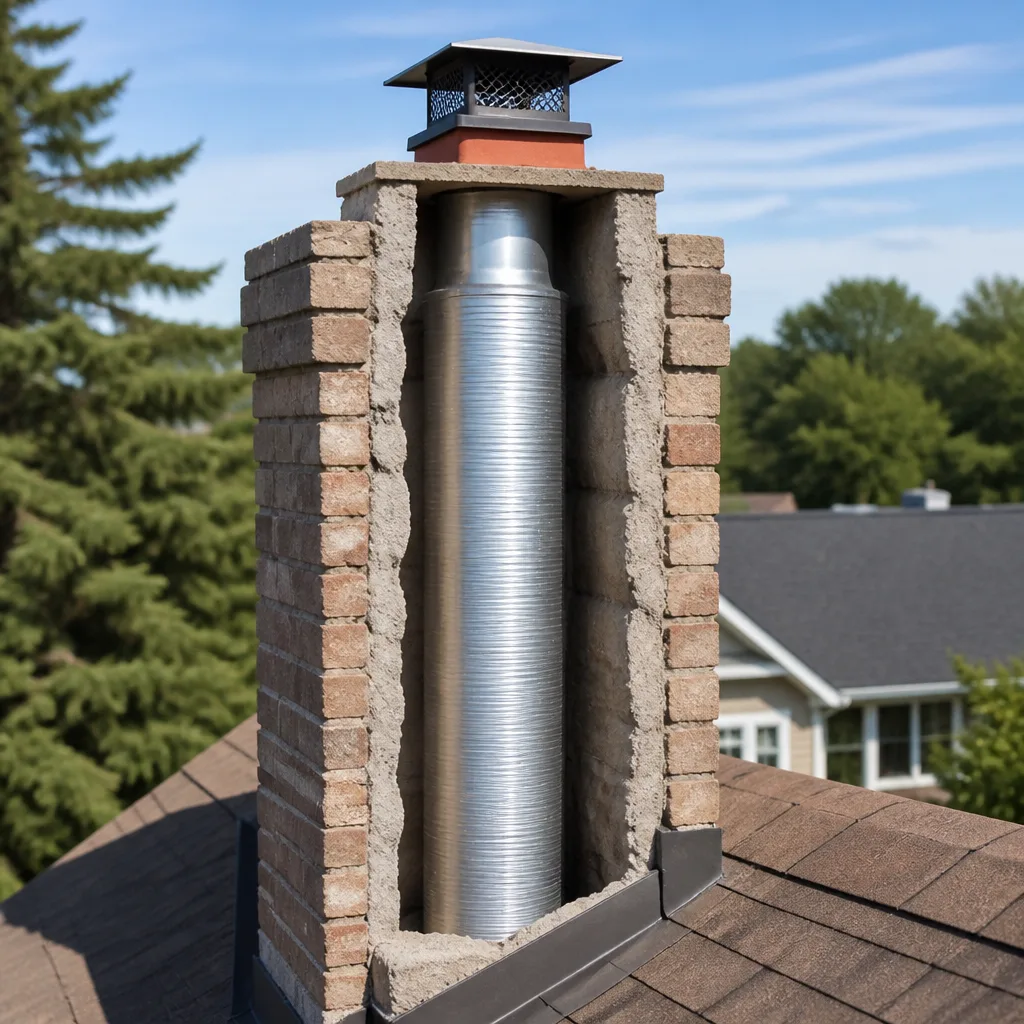
The flue liner is the protective channel inside your chimney that contains the heat, smoke, and combustion gases and carries them safely up and out. Over time, liners crack, clay tile sections separate at the joints, and metal liners can corrode through. The warning signs of a compromised liner are often invisible from anywhere but inside the flue itself. What you might notice from the ground: small pieces of clay tile in the firebox, or a fine sand-like grit at the base of the fireplace, both of which indicate liner material is breaking apart. The risk of a cracked and gap-separated liner is that combustion gases and heat can reach the surrounding combustible framing of your home instead of staying inside the chimney. This is exactly the kind of failure that a routine chimney sweep is designed to catch before it becomes a house fire. When liner repair is needed, we use proven repair products like HeatShield ceramic compound or DuraFlex stainless steel liner systems, because this is one repair where material quality is not a place to save money.
Missing, Cracked, or Improperly Seated Chimney Caps
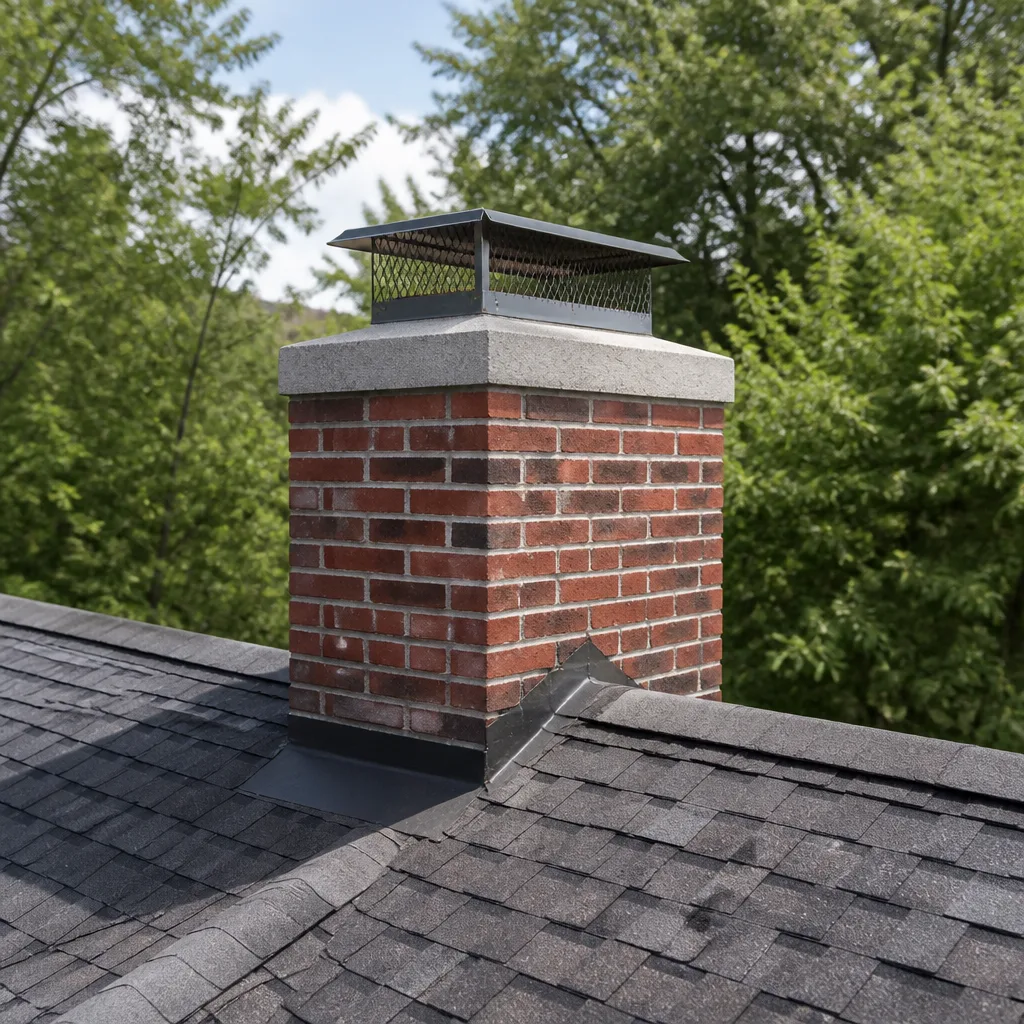
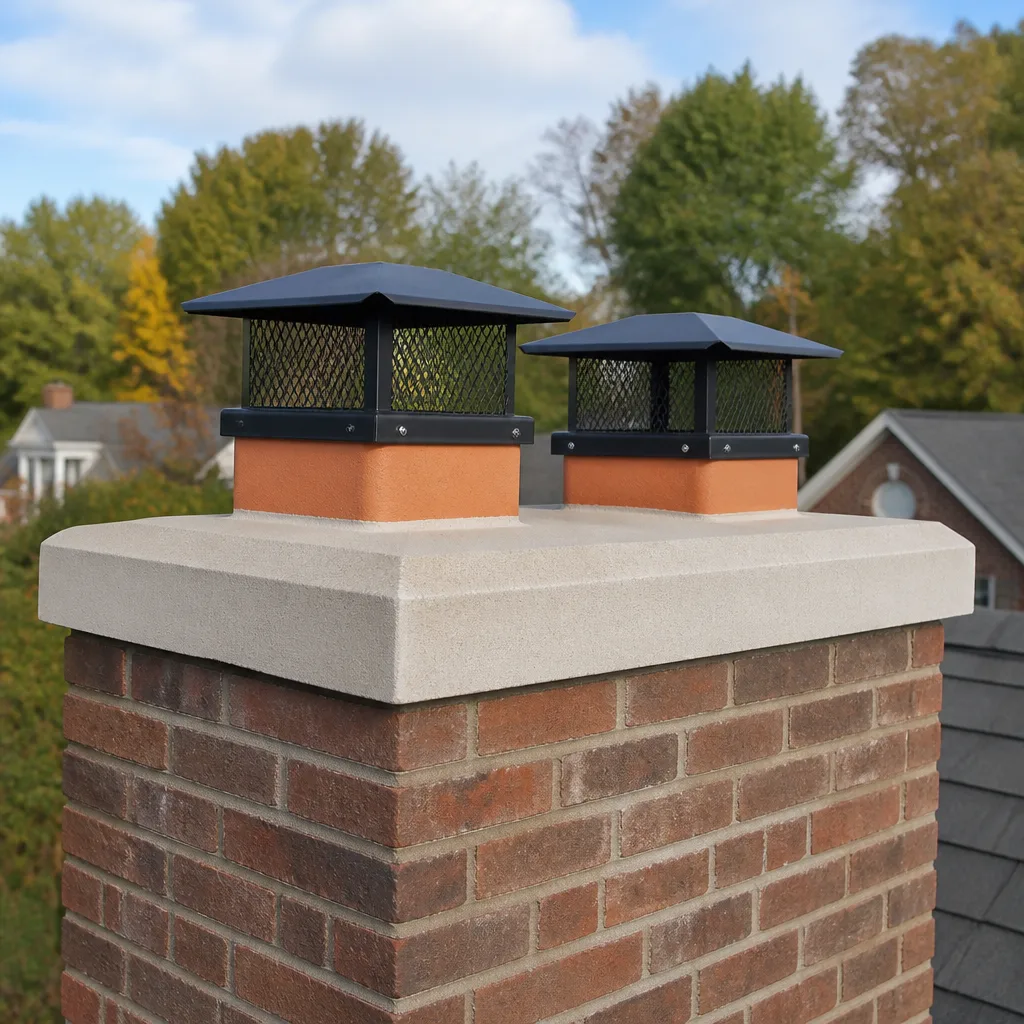
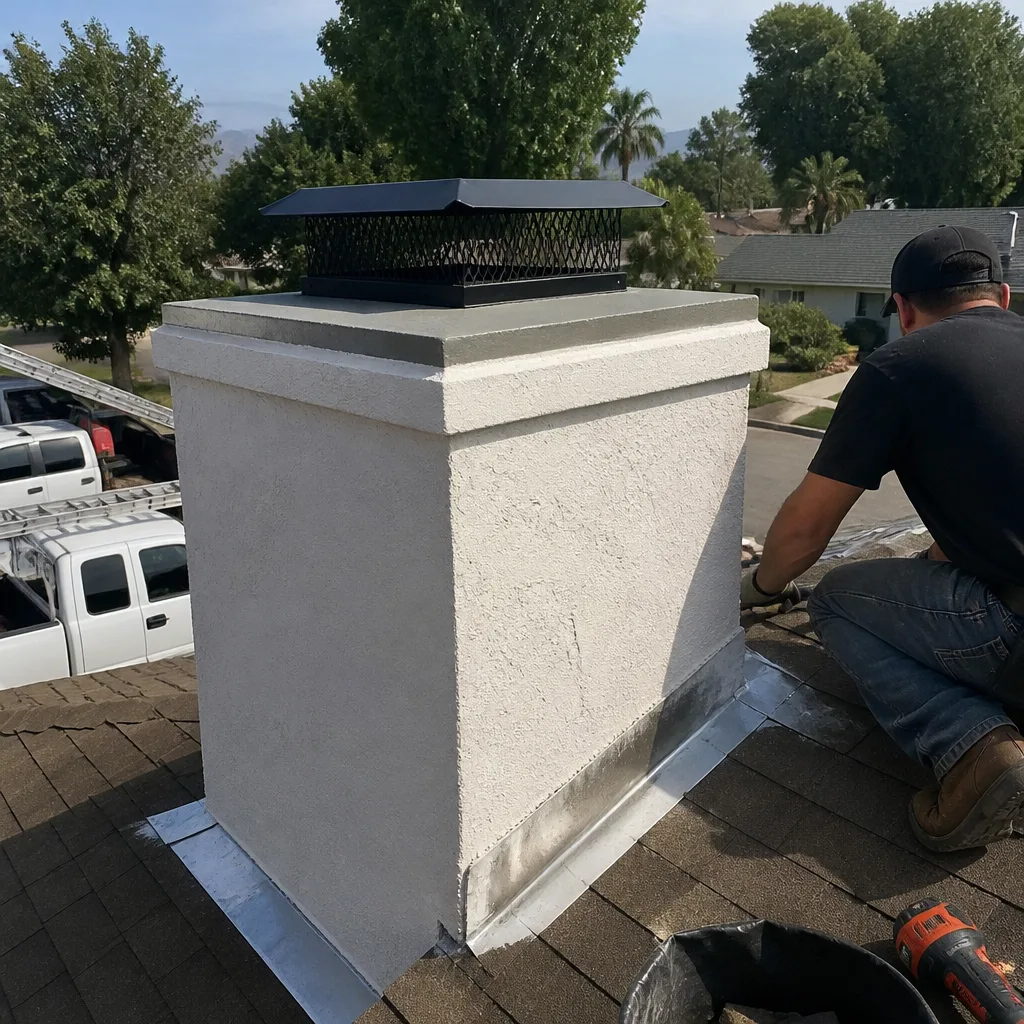
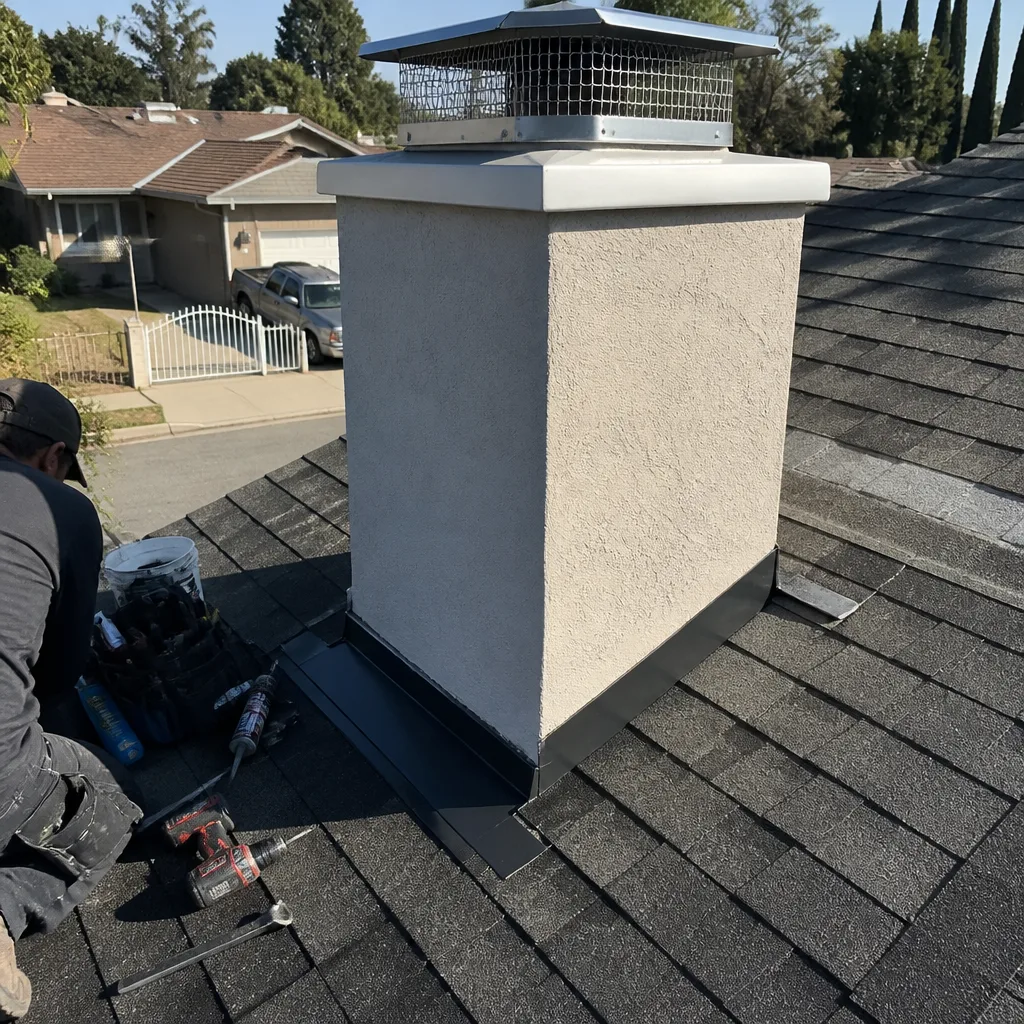
The chimney cap is the umbrella of your chimney. It keeps rain out of the flue, keeps animals from nesting inside, and has a spark arrestor that reduces the risk of an ember leaving the chimney and landing on your roof. A missing or poorly seated cap in West Covina means rain gets direct access to the flue, and rain is the root cause of the majority of chimney damage we repair. Our local bird and rodent population loves an uncapped flue. We regularly find nests built inside uncapped chimneys, and the fix is a cleaning plus a properly fitted cap, not just a cleaning. Most caps fail gradually: the mesh rusts through, the cap slides out of alignment, or a strong Santa Ana wind shifts it. A visual check from the ground with binoculars or a phone camera zoom will catch a missing cap, but not a degraded one. That’s a roof-level inspection item.
What a Drafty Fireplace Tells You About Your Damper and Liner
We talk to a lot of West Covina homeowners who describe their fireplace as “drafty,” but the season and the specific behavior of the draft tell you almost everything about the root cause. The fireplace isn’t just drafty; it’s drafty in a particular way for a particular reason, and understanding the difference saves you money because you’re not paying for a repair that doesn’t address the actual problem.
The Damper That Won’t Seal
The damper is the steel or cast iron door at the top of your firebox that opens to let smoke up the flue and closes to keep outside air. A damper with a poor seal is the most common source of a drafty fireplace, and the test is simple. On a cold evening, hold a lit candle near the closed damper. If the flame flickers or gets pulled toward the flue, you’re losing conditioned air up the chimney. A damper that doesn’t seal costs you money year-round: in winter it pulls heated air out, and in summer it lets hot attic-like air in. The fix is usually a new damper or a top-sealing damper installed at the crown level, which seals better than any throat damper. This is a simple repair, not a rebuild, and it’s one of the most common Chimney Repair in West Covina calls we get.
The Liner That’s Pulling Air the Wrong Way
A drafty fireplace can also point to a liner that’s too large, too short, or damaged. The flue liner is sized to match the fireplace opening, and when the ratio is off, the chimney drafts poorly and pulls air from the living space instead of up through the flue. A damaged or separated liner can also create competing drafts where air moves through gaps in the liner instead of through the flue channel. The symptom you’ll notice is that the fireplace is hard to light, the flame pulls awkwardly, or smoke enters the room briefly before the draft establishes itself. A draft problem that only when the fireplace is cold and disappears once the fire is burning hot usually points to a liner or damper issue, not a cleaning issue. These are camera-inspection diagnostics, and a good sweep will show you the footage rather than just telling you what’s wrong.
Summer Drafts vs. Winter Drafts: Two Different Problems
Here’s a distinction almost no online guide makes, and it’s the one that saves West Covina homeowners real money. A drafty fireplace in summer tells you something different than a drafty fireplace in winter, and treating them as the same problem leads to the wrong fix.
Summer: The Downward Chimney Effect
In the summer, when your air conditioning is on and the outdoor air is warm, your chimney can act like a reverse vent. Warm outside air sinks down the flue and into your living room, carrying with it any accumulated creosote smell. You’ll notice this most in West Covina during August and September, when the concrete and stucco of your house has been baking in the sun all day and the evening temperature differential is strongest. A summer draft is almost always a moisture and creosote issue inside the flue combined with warm air’s natural tendency to sink. The fix is usually a cleaning: removing the creosote eliminates the smell that the draft carries, and a properly sealed top-mount damper stops the airflow itself. What a summer draft does not usually mean is a liner failure or structural problem. It’s a maintenance item in most cases.
Winter: Real Draft Dynamics and Smoke Backflow
A winter draft is a different animal. When you light a fire in a cold chimney, the cold, dense air inside the flue resists the warm smoke trying to rise through it. That’s normal to a degree, and good fire-starting technique usually overcomes it. But when a winter draft is persistent, it points to something structural: a damper that’s warped or rusted partially open, a flue liner with a partial blockage, or a chimney cap that’s restricting exhaust. If you notice that the draft is weak even when the fire is burning established and hot, the chimney isn’t pulling air properly and that points to a size or liner issue. Smoke that backs up into the room on light-up but then clears is a low-severity draft issue. Smoke that backs up throughout the burn is a Red sign. The winter draft tells you about your chimney’s structural performance; the summer draft tells you about cleaning and sealing. Treating them as the same problem means paying for a repair you didn’t need or skipping a cleaning you did need.
How to Photograph Warning Signs for a Phone Assessment
One of the things that sets our process apart is that we can often give you a preliminary assessment over the phone based on photos you take yourself. You don’t wait for a technician to arrive to know what you’re dealing with. But the photos have to show the right things. Here’s how to document what you’re seeing so a professional can actually use the images.
- Shoot from three angles: Start with a wide shot standing about twenty feet from the chimney so the whole structure is visible. Then a mid shot focusing on any specific staining, cracking, or flaking you’ve spotted. Then a close-up of the specific concern (a crack, a stain, a rust streak) from about a foot away.
- Capture the context around the concern: If you’re photographing a crack, include the whole brick in the frame, not just the crack itself. A lone close-up with no context makes it hard for a sweep to tell where on the chimney the issue is.
- Photograph the firebox from floor level: Kneel and shoot directly into the firebox with the damper in whatever position it normally sits. This shows us the damper condition and the firebox brick without anyone climbing on a roof.
- Shoot the crown if you can see it: If you have a second-story window that looks down at the chimney or a neighbor’s balcony with a view, use that. A top-down shot of the crown and cap is extremely useful for diagnosing water intrusion.
- Email or text the photos to your sweep before booking: At Hadley Chimney West Covina, we walk through these photos with you on the call. The preliminary assessment isn’t a substitute for an on-site inspection, but it does tell both of us whether we’re dealing with a routine sweep or a potential repair, which changes how we schedule and what the tech arrives prepared to do.
We built our whole process around this kind of visibility because the trade historically hasn’t offered it. The Relay Visibility Guarantee means live arrival tracking, before-and-after photo documentation, and a written price before any work begins on every job, not just the big ones. You should expect the same from any chimney company you call, and we’re proud to be one of the ones doing it in West Covina.
Common Mistakes to Avoid
- Ignoring a summer creosote smell because “it’s not burning season.” The smell in August tells you that creosote has already built up to a level that’s worth addressing, and waiting until you want a fire in December means sitting on a scheduling backlog when everyone else calls.
- Confusing efflorescence with “just mineral deposits.” Efflorescence is mineral deposits, but the minerals only get there through water moving through your masonry. The stain is a moisture problem, not a cosmetic one.
- Burning unseasoned wood to save money. Green or wet wood produces dramatically more creosote and cooler flue temperatures, which accelerates buildup. You’ll pay for the cheap wood in more frequent cleanings or a chimney fire.
- Fixing a draft problem with a chimney sweep when the actual issue is a damper seal. A cleaning removes creosote; it doesn’t fix airflow through a leaky damper. If the draft persists after a sweep, the damper is the next place to look.
- Calling a roofer for chimney flashing and a chimney company for roof flashing, when the two are connected. The flashing is where the roof and chimney interface, and if it’s failing, both the roofing material and the chimney masonry are affected. A chimney professional who understands flashing is the right first call.
- Assuming a gas fireplace doesn’t need a chimney inspection. Gas fireplaces produce less creosote, but they still vent through a flue that can crack, corrode, or get blocked. The liner and cap still need regular inspection.
- Waiting for a Red sign before calling. Most Red situations start as Yellow situations that got ignored for two or three seasons. The repair is almost always cheaper and simpler at the Yellow stage.
When to Call a Professional
You should call a professional any time you see a Yellow or Red sign in this guide, and honestly, any time you can’t remember the last time a sweep was on your roof. Annual inspection is the industry recommendation for a reason: most problems start small and quiet. If you see smoke entering the living room, smell sulfur or gas near the fireplace, or see loose brick tumbling off the chimney, those are same-day calls. If you smell strong creosote on humid days, see efflorescence spreading, or notice a damper that’s getting stiff, a scheduled visit within the month handles it. Hadley Chimney West Covina offers free estimates to homeowners in West Covina and the surrounding area. Call (661) 402-9036 and a live person answers, day or night. You’ll get a straight answer, a written price before any work begins, and photos of whatever we find.
Frequently Asked Questions
A standard chimney sweep in West Covina typically runs between $180 and $350 depending on the size of the flue, the amount of creosote buildup, and whether the chimney has been recently maintained. Add-on work like a camera inspection, cap replacement, or creosote treatment adds to the total, but the written price comes before any work starts. Call (661) 402-9036 for an exact quote, estimates are free.
Creosote smells like a strong, acrid campfire or charred wood odor that lingers even weeks after the last fire. You should worry when the smell is strong enough that you notice it in rooms away from the fireplace, because that means the creosote buildup is substantial enough that it’s off-gassing through the house. A cleaning removes it, and the smell clears within a day or two.
Most West Covina homes with regular wood-burning fireplaces should be swept annually, which matches the National Fire Protection Association standard of inspecting and cleaning at 1/8 inch of creosote buildup. If you burn more than a couple of times a week during winter, or burn unseasoned wood, you may need twice a year. Gas fireplace chimneys still benefit from an annual inspection even though they need less frequent sweeping.
The answer depends on the condition of your existing liner, and no one should recommend a liner replacement without showing you camera footage that proves it. Minor damage like small cracks or minor joint separation can often be repaired with products like HeatShield ceramic compound. Severe deterioration, missing tile sections, or extensive cracking usually means a full replacement with a stainless steel system like DuraFlex. At Hadley Chimney West Covina, you’ll see the photos before you’re asked to approve the work. If you want a second opinion on a liner recommendation, call (661) 402-9036.
Skipped cleanings allow creosote to build from a thin dusty layer into a thick, glazed coating that becomes a chimney fire risk. The buildup also traps moisture against the flue walls, accelerating liner deterioration. The longer it goes, the more likely a manageable cleaning turns into a liner repair or replacement. The free estimate you get from Hadley comes with an honest assessment of whether you can safely wait, call (661) 402-9036.
Professional chimney sweeping involves accessing the roof safely, using the right brushes for your flue size and liner type, and completing a camera inspection afterward to verify the creosote is actually gone. Brush kits from hardware stores often leave much of the creosote behind because they can’t match the size of your flue properly. The bigger risk is that you miss a liner crack or blockage that a trained eye catches. For safety and documentation, a professional sweep in West Covina is worth the cost.
The Bottom Line
Most chimney problems in West Covina announce themselves early if you know what to look for. Efflorescence tells you about water intrusion, a summer creosote smell tells you about buildup, and a winter draft tells you about damper and liner performance. Each sign falls into a tier: Green to monitor, Yellow to schedule within 90 days, Red to stop using the fireplace now. You can document most of these signs with your phone before anyone climbs on your roof. Hadley Chimney West Covina offers free estimates, written pricing before work begins, live arrival tracking, and photo documentation on every job. Call (661) 402-9036 and talk to a real person, day or night.
Written by Cory Mitchell, Owner at Hadley Chimney West Covina, serving West Covina since 2003.
See the difference
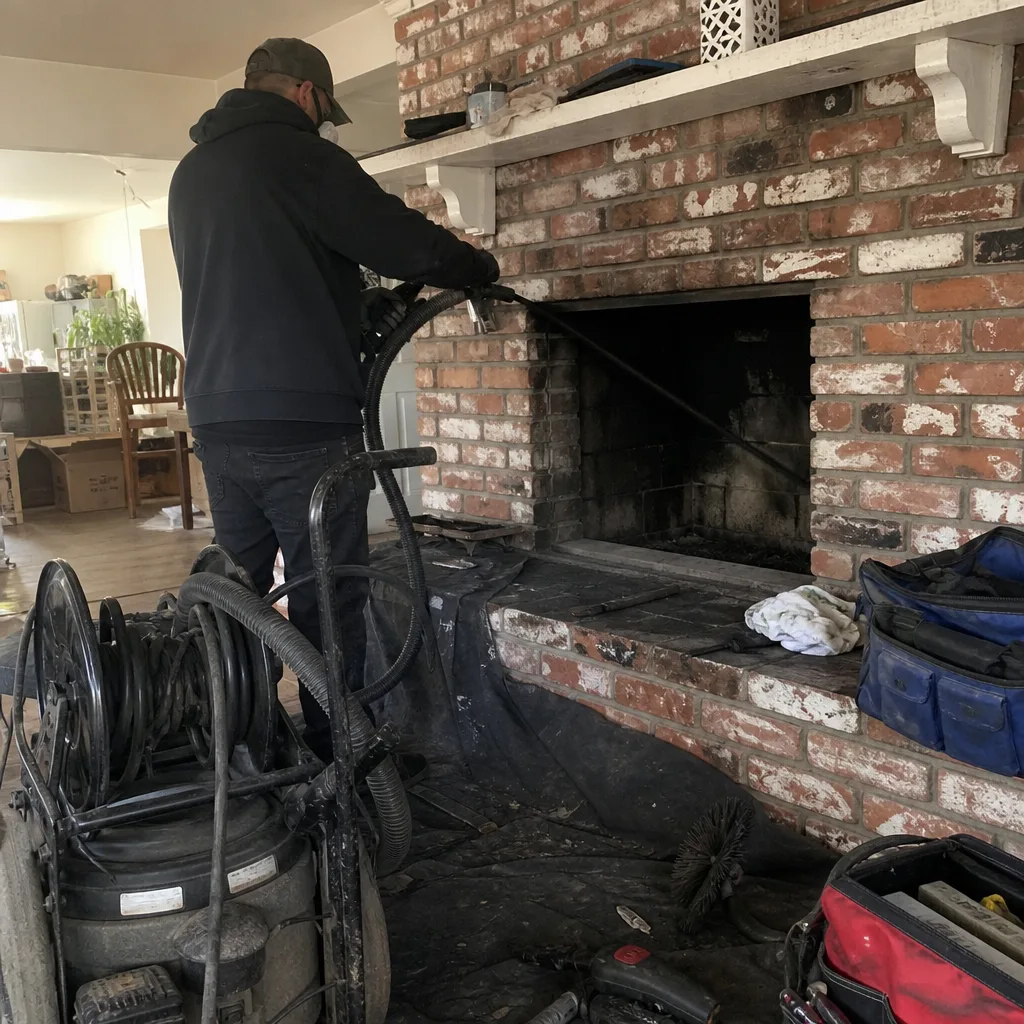 Before
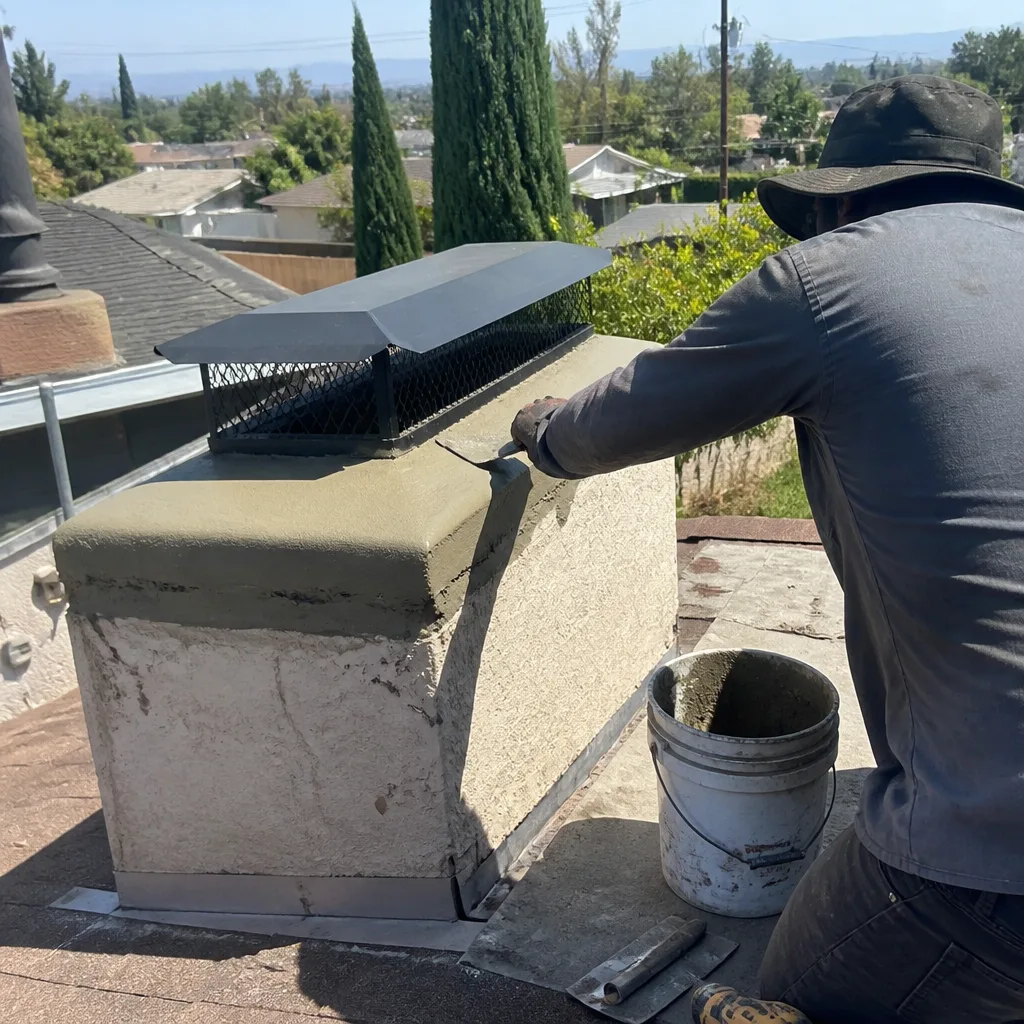 After
After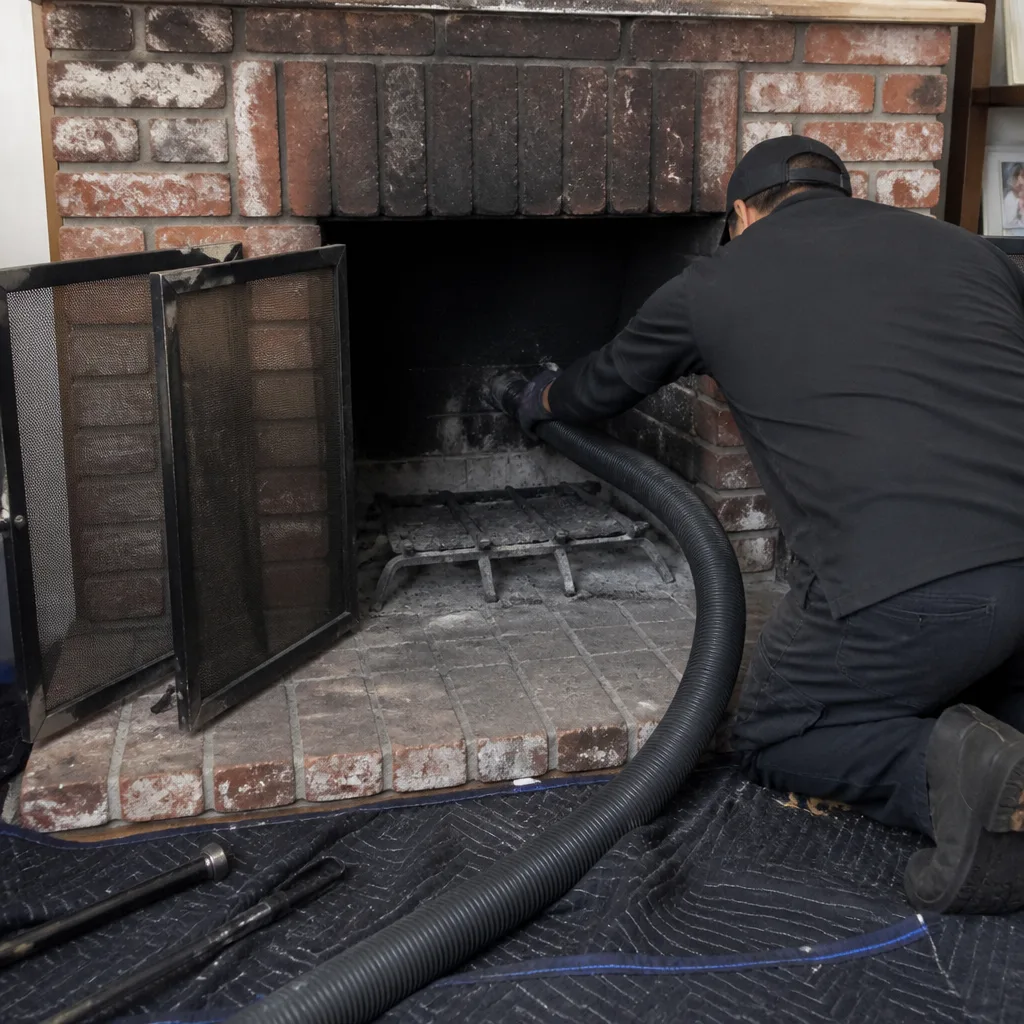 Before
 After
After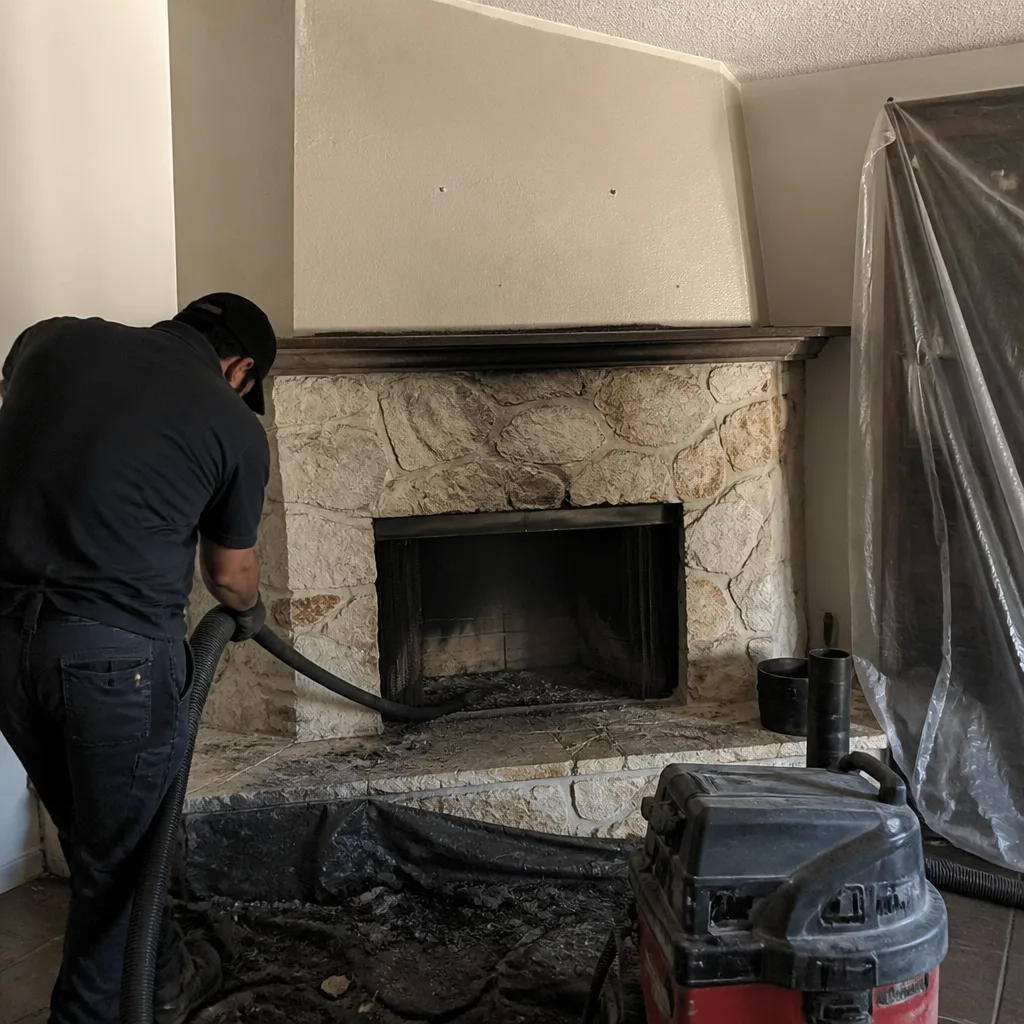 Before
 After
After