
Last updated October 15, 2026
 Sweep & inspection
 Caps & crowns
 Flue relining
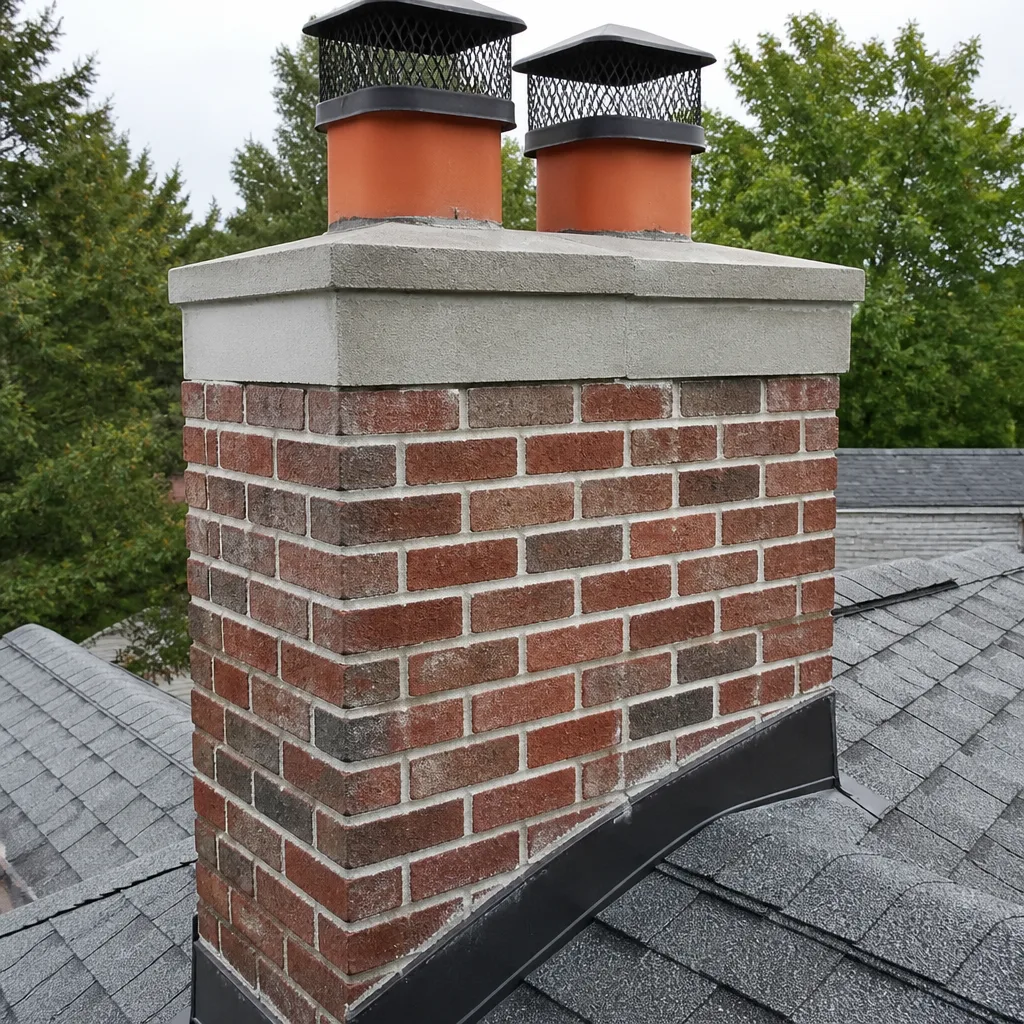 Masonry repair
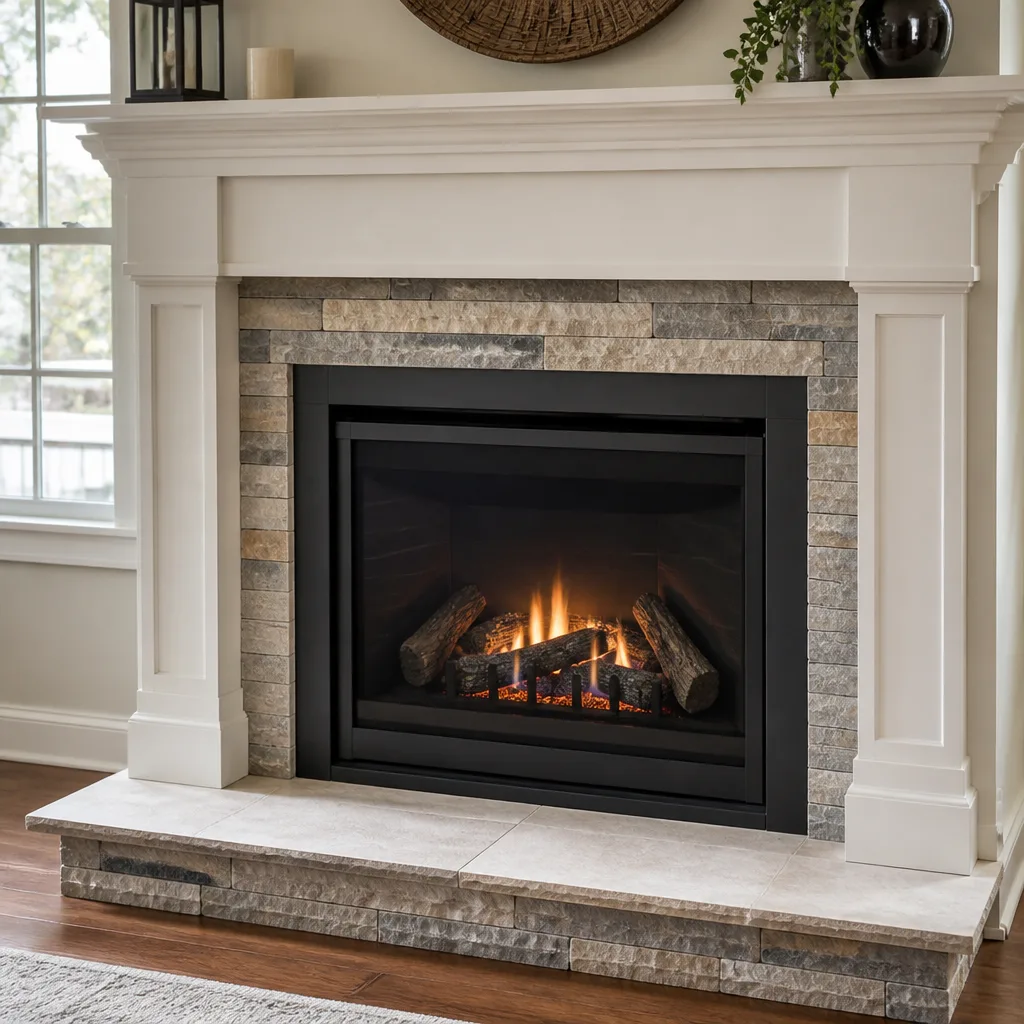 Gas fireplace service
Level 1 sweep and inspection to the NFPA 211 annual standard - flue, crown, cap, and flashing checked and photographed
Chimney sweep logs do not sweep chimneys. They loosen some creosote - which then falls where a brush and vacuum still have to collect it.
Chimney Cleaning Permits, Codes & Inspections in CA: What You Need to Know
Here’s the counterintuitive reality most California homeowners miss: the $199 chimney sweep you booked rarely needs a permit, but the $4,000 liner repair that same sweep recommends almost certainly does. In West Covina and across Los Angeles County, the legal threshold sits exactly at that line, and we’ve watched sellers discover it during escrow when a buyer’s home inspector asks for permit records that were never pulled. This guide maps out where cleaning ends and regulated work begins, which code sections actually apply to your chimney, and how to build a documentation trail that won’t unravel at the closing table. For more, see our Complete Guide to Chimney Cleaning in West Covina.
Styles & brands we work with
Quick Answer
A routine chimney cleaning (sweeping, creosote removal, visual inspection) does not require a permit anywhere in California. The moment the work involves replacing a liner, rebuilding firebox masonry, altering the chimney structure, or installing a new termination cap, Los Angeles County and the City of West Covina building codes classify it as a repair or alteration, which typically triggers a permit requirement. The smart move for homeowners is to ask any sweep for written documentation of what they found, what they did, and photos proving both, because that record is what California real estate disclosure law and home inspectors will ask for later.
Table of Contents
- The Permit Line: Cleaning vs. Repair in California
- California Building Code Sections That Apply to Chimneys
- How NFPA 211 Intersects with California Code
- Los Angeles County and West Covina: Local Codes on Top of State Minimums
- Real Estate Disclosure Obligations in California
- What Documentation Should a Chimney Sweep Provide?
- Level 1 vs. Level 2 vs. Level 3: What Each Inspection Is For
- What Chimney Work Actually Costs in West Covina
The Permit Line: Cleaning vs. Repair in California
The legal distinction in California is simpler than most people expect, but the consequences of missing it are not. A chimney sweep that removes creosote (the flammable tar buildup that makes chimneys a fire risk), vacuums out the firebox, and does a visual check of the flue is performing maintenance. Maintenance does not require a permit anywhere in the state, including West Covina. The California Building Code (CBC) and the Los Angeles County Building Code both classify chimney sweeping as routine service work, no different from cleaning gutters or servicing a furnace filter.
What changes the classification is any work that alters the chimney’s structure or function. Replacing a clay tile liner with a stainless steel one? That is an alteration. Rebuilding more than a small section of firebox brick? Alteration. Changing the chimney’s height, adding a different type of termination cap, or reconfiguring the flue? All alterations. In Los Angeles County jurisdiction, including West Covina, structural alterations to a chimney fall under the permit requirements in Chapter 1 of the county building code, which incorporates the California Residential Code (CRC) Chapter 3 for one- and two-family dwellings. We have spoken with homeowners who learned this distinction the hard way, a buyer’s inspector flagged an unpermitted liner replacement, and the seller ate a five-figure escrow credit to close the deal. Calling a chimney company that documents everything is the cheapest insurance against that outcome, which is why our techs photograph every stage of the work and provide a written record with each job.
California Building Code Sections That Apply to Chimneys
The California Building Code is based on the International Building Code with state-specific amendments, and the chimney provisions live mostly in Chapter 10 (Chimneys and Fireplaces) of the California Residential Code for homes with one or two units. Commercial and multi-family buildings fall under the California Building Code proper. You do not need to read the code books cover to cover, but knowing which sections exist and what they control will help you spot a sweep who knows the code from one who does not.
Here are the sections we reference most often when explaining code to West Covina homeowners:
- CRC R1001 (Masonry Chimneys): Sets standards for mortar type, wall thickness, flue liner requirements, and clearances to combustible framing. If a chimney is being rebuilt or significantly repaired, this is the section inspectors check against.
- CRC R1003 (Factory-Built Chimneys): Covers prefabricated metal chimneys, including the requirement that any replacement part be listed and approved for the specific model. You cannot swap a generic pipe onto a factory-built system.
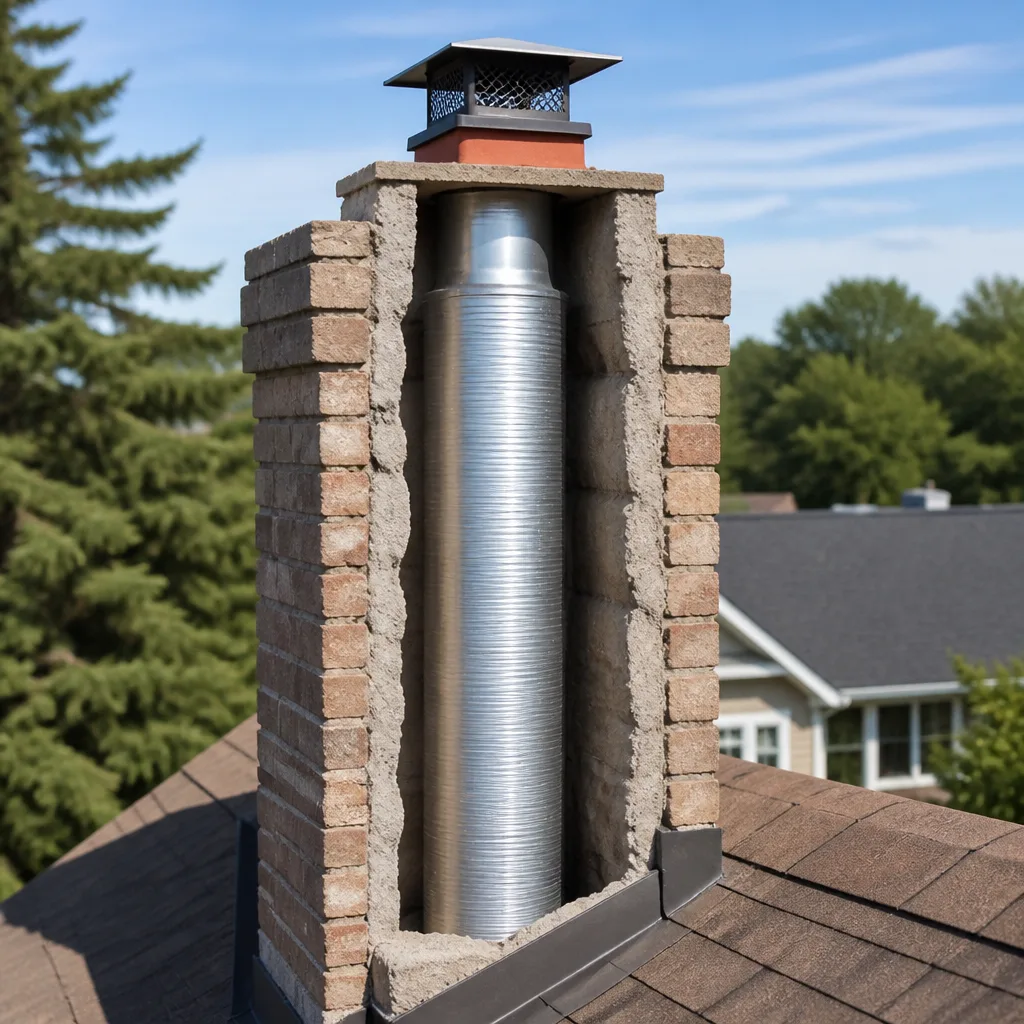
- CRC R1004 (Chimney Liners): Requires that chimneys serving fireplaces or solid-fuel appliances have a liner, and that liner repairs use materials meeting UL listings. When we install a DuraFlex liner system, it is because the existing clay liner has cracked and no longer meets this section.
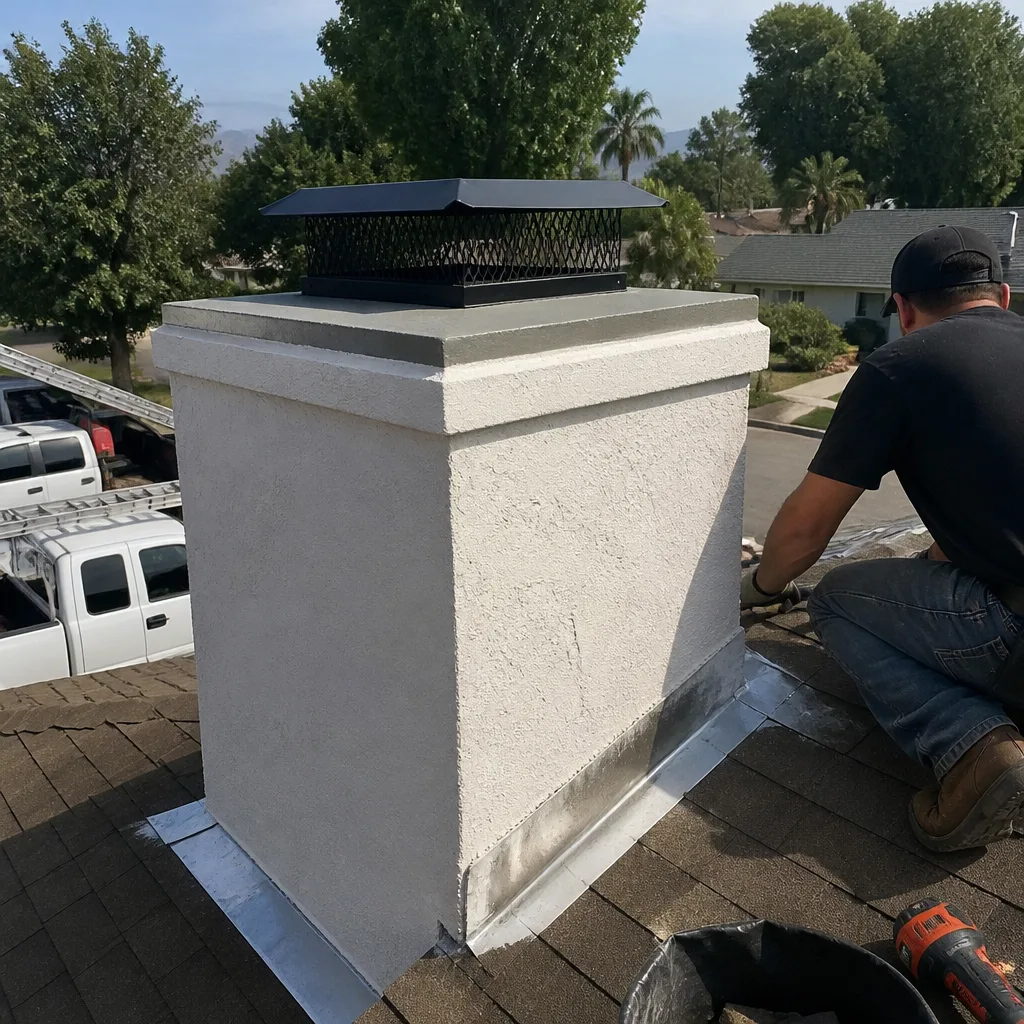
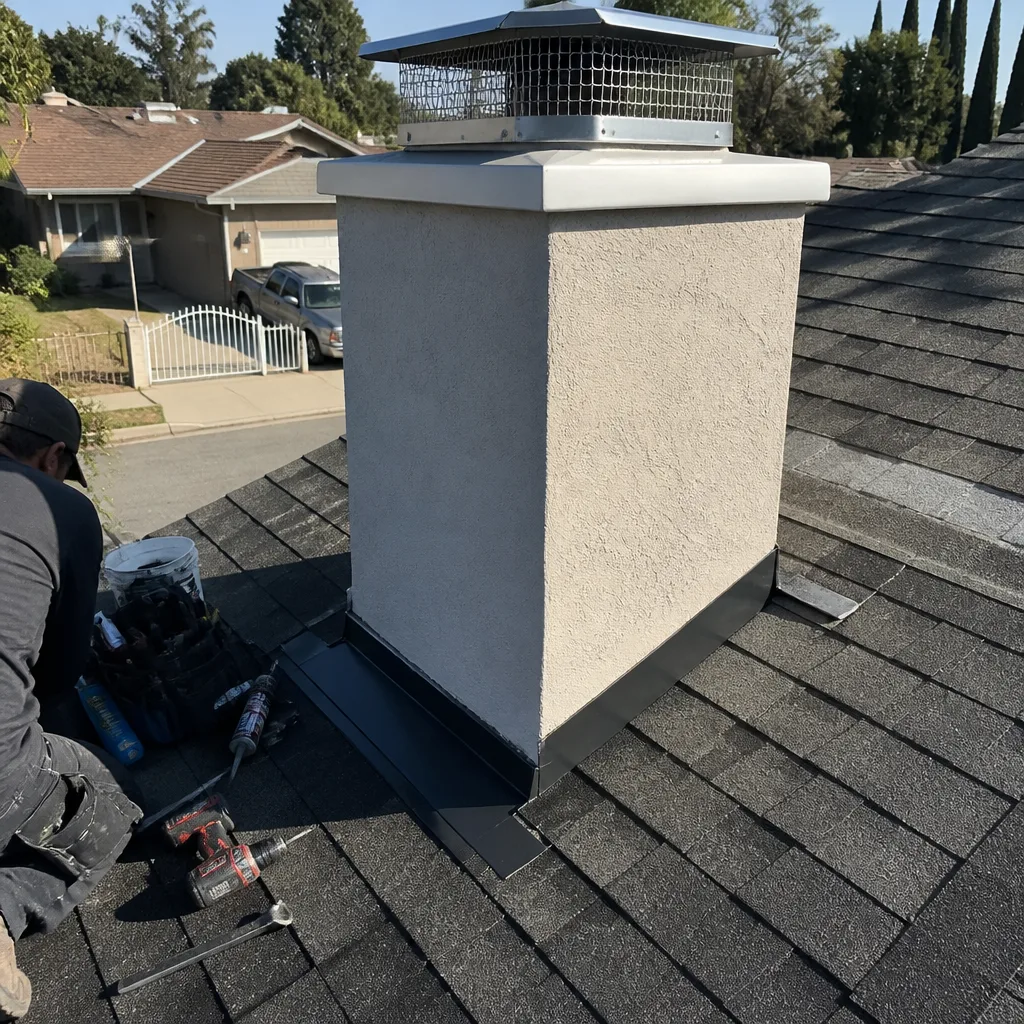
- CRC R1005 (Chimney Termination): Governs termination height, cap requirements, and clearance from the roof. A missing or damaged cap is not just an animal entry point, it is a code violation that a sharp home inspector will write up.
- CBC Chapter 7 (Fire and Smoke Protection Features): Applies to fireblocking around chimney penetrations through floors and ceilings. This is one of the most commonly missed items in older West Covina homes built before modern fire codes.
The practical takeaway: when a sweep tells you a liner needs replacement, ask which code section they are flagging. A professional should be able to answer without hesitation. At Hadley Chimney West Covina, the written report from every Chimney Sweep in West Covina visit identifies the condition and the relevant standard, so the homeowner is not taking anyone’s word on faith.
How NFPA 211 Intersects with California Code
California law incorporates NFPA 211, the National Fire Protection Association’s Standard for Chimneys, Fireplaces, Vents, and Solid Fuel-Burning Appliances, by reference in the California Fire Code and in several local ordinances. NFPA 211 is not a law on its own, but when state or local code adopts it, its provisions become enforceable. For homeowners, the practical effect is that a chimney inspection in California follows NFPA 211’s three-level inspection framework, and the findings from those inspections determine what happens next.
The standard inspection levels break down like this:
- Level 1 Inspection: A visual check of the readily accessible portions of the chimney interior and exterior. This is what accompanies every routine sweep. No special equipment, no demolition, no permit implications. If nothing has changed about the system, Level 1 is appropriate.
- Level 2 Inspection: Required by NFPA 211 when the property is being sold or transferred, when the system has changed (new appliance, new liner), or when an event occurred (chimney fire, earthquake, lightning strike). Level 2 adds video scanning of the flue interior and inspection of accessible attics, crawlspaces, and basements. If a Level 2 inspection finds a cracked liner or damaged firebox, the resulting repair typically crosses the permit line we discussed above.
- Level 3 Inspection: The most invasive level, required when a Level 2 inspection suggests hidden damage that requires removing components to access. This might mean removing drywall, tearing out part of the chimney crown, or demolition work to reach the flue. Level 3 inspections and the repairs they lead to almost always require permits and should be handled by a knowledgeable contractor.
For West Covina homeowners, the key trigger is the sale of the house. California real estate contracts and lender requirements frequently lead to a Level 2 inspection as part of escrow. If that inspection surfaces unpermitted repair work from years ago, the seller inherits a problem they did not know they had. The fix is not to skip the inspection, it is to maintain documentation from every prior service visit so the inspection has context. Review our Chimney Sweep Maintenance Checklist for West Covina Homeowners to stay ahead of issues.
Los Angeles County and West Covina: Local Codes on Top of State Minimums
California sets the floor, but Los Angeles County and the City of West Covina layer additional requirements on top. This is the patchwork that confuses homeowners who read a state-level guide and assume it applies uniformly. It does not.
Los Angeles County has amended the California codes with county-specific provisions, many of them driven by air quality concerns. The South Coast Air Quality Management District (SCAQMD), which covers West Covina and the rest of the San Gabriel Valley, restricts wood burning on certain No-Burn Days. That rule affects when you can use your fireplace, not whether you can clean it, but it is part of the same regulatory landscape. A homeowner who just paid for a sweep may find they cannot light a fire for weeks because of air quality restrictions. Good to know before you spend the money.
The City of West Covina requires building permits through its Building and Safety Division for chimney repairs that meet the alteration threshold described in the California Residential Code. In practice, this means a liner replacement, firebox rebuild, or structural repair to the chimney chase. The city’s permit process requires a permit application, plans or specifications for the work, and inspections at key stages. A reputable chimney contractor will handle this process as part of the job, not leave the homeowner to navigate the counter alone. When we handle a Chimney Repair in West Covina that crosses into permit territory, the permit is part of the written quote, not a surprise line item at the end.
There is one more local layer worth knowing. West Covina sits in a moderate seismic hazard zone. The 1987 Whittier Narrows earthquake and the 1994 Northridge earthquake both damaged chimneys throughout the San Gabriel Valley, and unreinforced masonry chimneys are a known risk. If your home was built before modern seismic codes and the chimney shows cracking at the roofline, a Level 2 inspection is the right call, and the repair will likely involve both building and seismic considerations that belong in the hands of a professional.
Real Estate Disclosure Obligations in California
California is a full-disclosure state for real estate transactions. The California Civil Code requires sellers to disclose all material facts about the property that could affect its value or desirability, and chimney condition falls squarely under that umbrella. The standard California Association of Realtors forms include specific questions about fireplaces, chimneys, and whether the seller is aware of any defects, repairs, or permit issues.
What does that mean in practical terms for a West Covina homeowner?
- If you know your chimney has a cracked liner because a sweep told you so, you must disclose it. Saying “I never had it inspected” is not a defense if the inspection report exists.
- If you completed a chimney repair without pulling a required permit, and you later sell the house, you must disclose the unpermitted work. Failure to do so has led to post-close lawsuits and rescinded sales.
- If you have documentation showing the chimney was properly maintained, cleaned, and inspected, that documentation becomes a selling point. We have had clients whose clean chimney inspection report helped close a sale faster because the buyer’s inspector saw no open items.
- If the buyer requests a Level 2 inspection as a condition of escrow (common with FHA and VA loans), the results of that inspection become part of the disclosure record. Anything the inspection finds is now a disclosed material fact.
The pattern here is consistent: documentation protects you. The Homeowner’s Association docs, the city permit records, and the chimney service reports all tell the same story or they tell conflicting stories. The homeowner who keeps every chimney service report from every company that ever touched the house is the homeowner who survives escrow without a five-figure credit to the buyer.
What Documentation Should a Chimney Sweep Provide?
A chimney sweep that hands you a handwritten receipt and drives off has given you almost nothing. The documentation standard in the chimney trade has risen dramatically in the last decade, and homeowners should expect more. Here is the documentation package we provide on every Hadley Chimney West Covina service visit, and what you should ask any sweep to provide:
- Written condition report: A plain-language summary of what the tech found, what condition the flue, liner, firebox, crown, cap, and flashing are in, and what work was performed. Not a verbal summary. Written.
- Before-and-after photos: If the sweep says the liner is cracked, the photos should show the crack. If the sweep says the creosote is heavy, the photos should show the buildup before cleaning and the clean flue after. Photos are evidence, and they become part of your disclosure file.
- Video scan footage (when applicable): For Level 2 inspections, the flue scan video is your single most defensible document. It shows condition in a way still photos cannot.
- Line-item written price: Before any work starts, the price should be written and itemized. No surprises at the door. This is our standard practice on every job, and it is part of the Relay Visibility Guarantee: written price before work begins, every single time.
- Warranty or guarantee terms: If a repair is performed, the guarantee should be in writing. Our 365-Day Done Right Promise states plainly that if a repair is not done right, we make it right, and if a repair fails within the year, the second visit is free. That wording belongs on paper, not in a handshake.
When you call our 24/7 line, a live person answers, books the appointment, and provides the live arrival tracking window so you know exactly when the uniformed tech will be there. No four-hour window, no phone tag. The tech arrives, does the work, documents it, and you receive a digital invoice you can pay from a link. That is the standard every homeowner should hold a chimney company to, and it is the standard that holds up when a buyer’s inspector starts asking questions.
Level 1 vs. Level 2 vs. Level 3: What Each Inspection Is For
We touched on the three NFPA 211 inspection levels earlier, but this section deserves a closer look because the levels determine what documentation you walk away with and whether a permit comes into play. Most homeowners only learn about inspection levels when an escrow officer or insurance company asks for a specific type.
Level 1 (Routine Maintenance): Performed during every sweep. The tech looks at the accessible interior and exterior, checks for creosote buildup, blockages, and obvious damage. No video scan, no demolition. A Level 1 inspection cannot see inside the flue liner beyond what is visible from the top and bottom. If the flue has hidden damage, a Level 1 will not find it, which is normal and expected, this is a maintenance-level check, not a forensic audit.
Level 2 (Video Scan): Required for real estate transactions, after a chimney fire, after an earthquake, when the fuel source or appliance changes, or when a previous inspection flagged a concern. The tech runs a camera through the full length of the flue, inspects attic and crawlspace clearances, and documents everything. If a Level 2 inspection finds a cracked flue tile, that finding is documented on video, and the resulting repair (typically a liner installation) will require a permit. At Hadley, we use DuraFlex liner systems for these installations, materials chosen because they meet the UL listings the code requires.
Level 3 (Invasive): Only ordered when a Level 2 scan suggests hidden structural damage that cannot be confirmed without removing building components. This might mean cutting into drywall to access the chimney chase, removing the crown, or taking down portions of the chimney. Level 3 inspections are rare and are typically the last step before a major rebuild. The permit implications are significant, and the job belongs with a contractor who handles the full scope, inspection, permit, repair, and final sign-off.
For most West Covina homeowners, the Level 2 inspection is the one that matters. It is the inspection that gets ordered during escrow, the one insurance companies request after a chimney event, and the one that produces the documentation a buyer’s inspector will scrutinize. If you have not had one in the last five years, and you are planning to sell, getting one before you list gives you time to address findings on your terms instead of under an escrow deadline.
What Chimney Work Actually Costs in West Covina
Pricing transparency matters because homeowners make better decisions when they know what a fair price looks like. Here are the ranges we see in the West Covina and greater San Gabriel Valley market as of the current year. These are not quotes, chimney systems vary widely, but they are realistic planning numbers.
- Routine chimney sweep (Level 1 inspection included): $180 to $340 depending on chimney height, accessibility, and creosote buildup severity.
- Level 2 video inspection (standalone or added to a sweep): $150 to $350 on top of the sweep, depending on whether the tech needs roof access equipment or specialized camera gear for an unusual flue configuration.
- Stainless steel liner replacement (DuraFlex or comparable listed system): $3,200 to $6,500 depending on flue height, roof pitch, and whether the old clay liner needs removal before the new liner installs.
- Firebox repair with HeatShield ceramic compound: $800 to $2,400 depending on the damaged area size and whether cosmetic restoration is part of the scope.
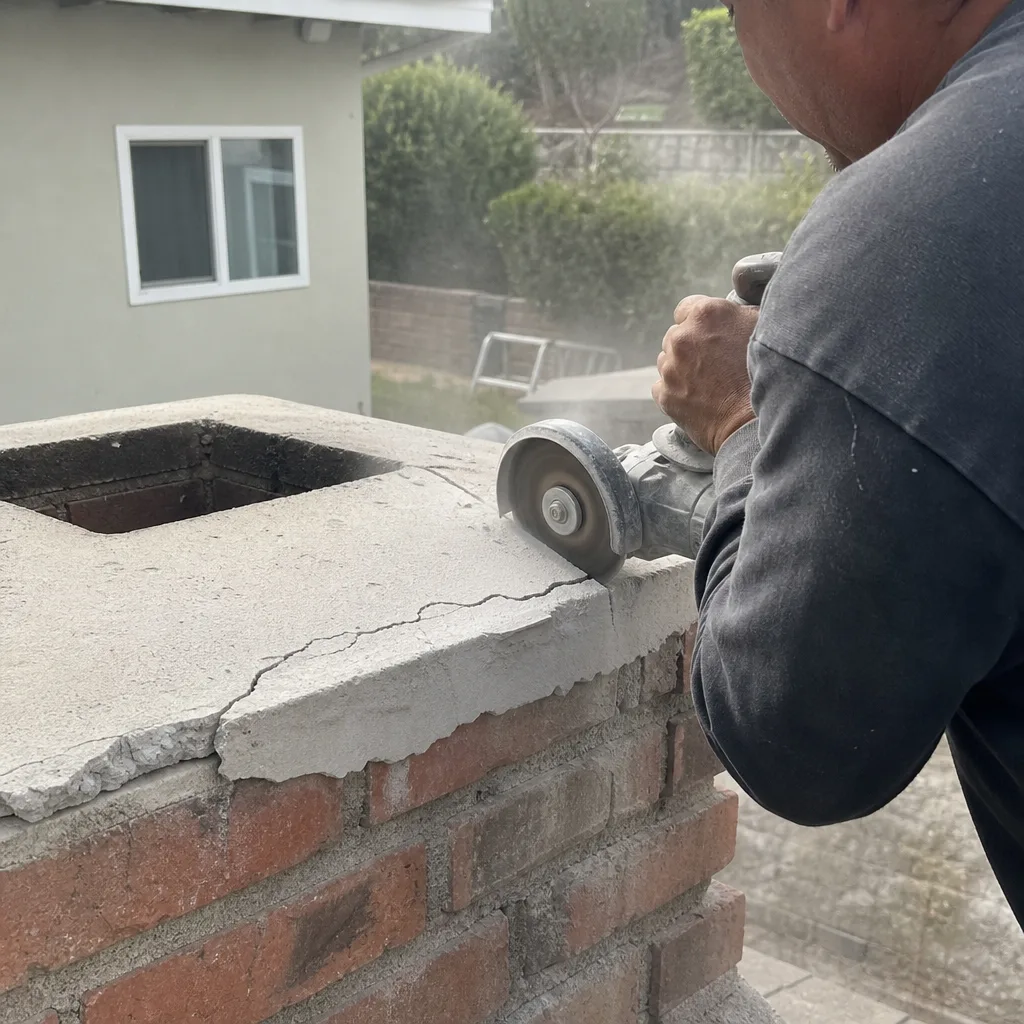
- Chimney crown repair or replacement: $600 to $1,800 depending on whether the crown is repairable with a sealant or needs full replacement.
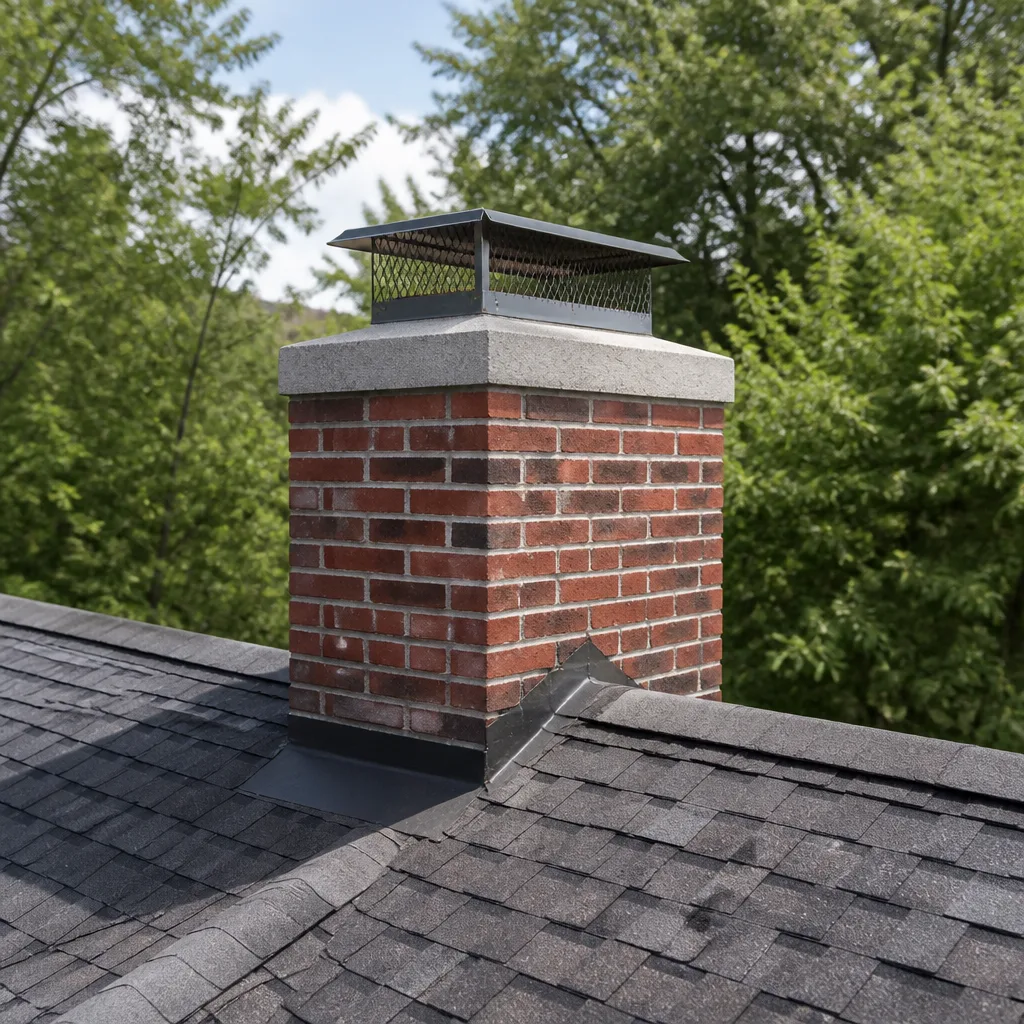
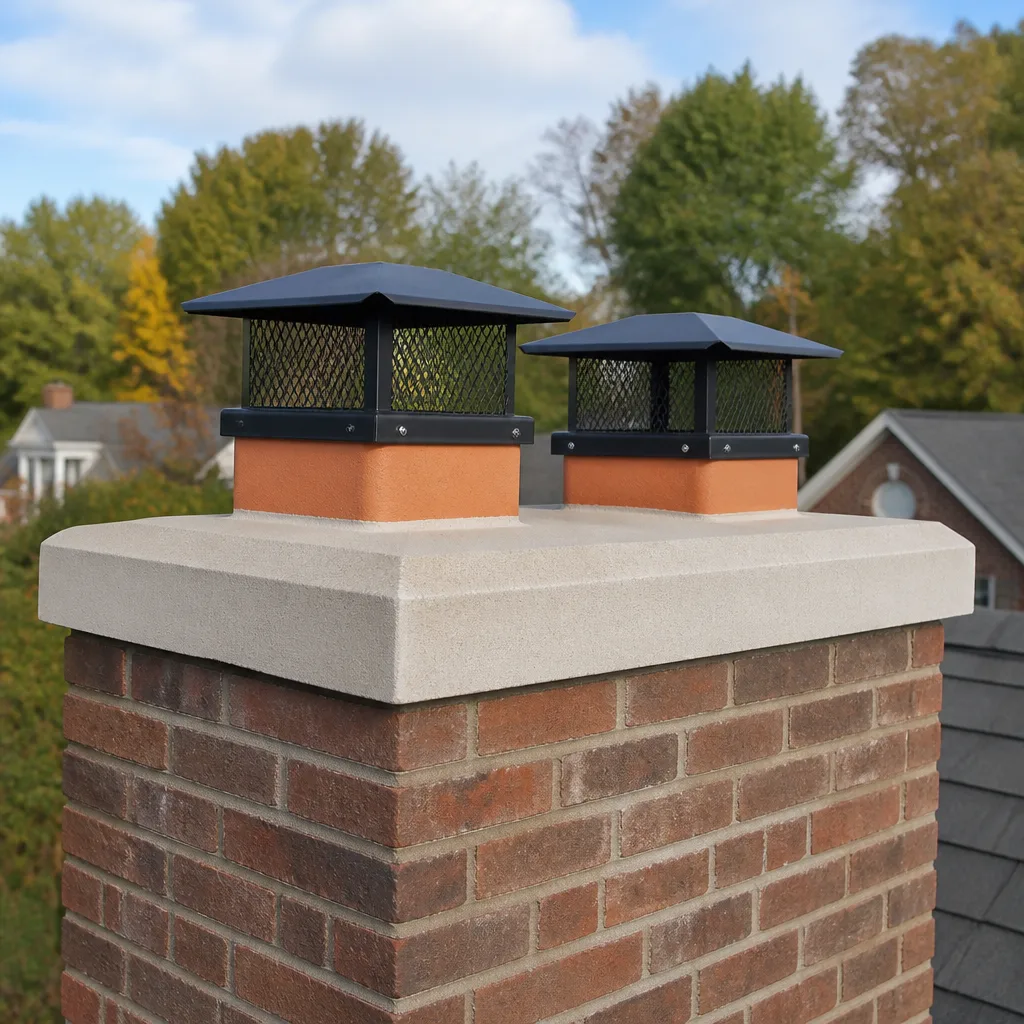
- Termination cap replacement (Copperfield or comparable): $250 to $750 including the cap and installation.
What drives the price is access. A two-story chimney on a steep roof in the hills north of the 10 freeway costs more to service than a one-story interior chimney on a flat lot near the West Covina Mall. The condition of the system matters too. Heavy creosote buildup that requires extra labor and chemical treatment will push a sweep to the upper end of the range. A liner that has already collapsed will cost more to remove than one that is cracked but intact. We quote flat prices before work begins, so the number you approve is the number you pay, and the quote includes the written guarantee on every repair. If a repair fails within 365 days, the second visit is free. No fine print beyond that sentence.
Common Mistakes to Avoid
- Treating every chimney company’s quote as if the work is permitted when it is not. Some companies will quote a liner replacement without mentioning the permit, and the homeowner discovers the gap at escrow. Ask specifically: “Is this job permitted, and will you pull the permit?” Get the answer in writing.
- Assuming a clean chimney is a safe chimney. A sweep removes creosote and debris, but it does not repair a cracked liner or rebuild a damaged firebox. A clean chimney can still be unsafe. Only an inspection tells you the difference.
- Losing the documentation after the service. That receipt is not just tax paperwork. It is your disclosure file and your defense if a buyer later claims hidden defects. Keep every report, photo, and invoice.
- Skipping the Level 2 inspection before listing a West Covina home. Buyers will order one during escrow. If you order one first, you control the timeline and the repair contractor. If they order one first, you control nothing.
- Using the fireplace on a No-Burn Day. SCAQMD restrictions apply in West Covina and the rest of the San Gabriel Valley. Violations carry fines. Check the daily burn status before lighting a fire.
- Repairing a chimney without checking the appliance’s venting requirements. Gas fireplace inserts, wood stoves, and open hearths have different flue requirements. A liner sized for one may not work for another. When we service a Gas Fireplace Repair in West Covina, the venting is checked against manufacturer specifications, not assumed.
- Hiring the cheapest sweep without checking what the price includes. Some low quotes do not include a Level 1 inspection, proper cleanup, or documentation. What looks like savings on the front end becomes a problem at the closing table.
When to Call a Professional
Call a professional chimney company if you see water staining on the ceiling near the chimney, if you smell smoke in the house after a fire burns out, if you hear animals in the flue, if you see cracked or spalling brick on the chimney exterior, or if you have not had the system inspected in more than two years and you plan to use the fireplace this winter. Also call if you are selling a home in West Covina and want a pre-listing Level 2 inspection with written documentation. Not sure if you’re due? Check Chimney Cleaning Warning Signs: A West Covina Homeowner’s Reference Guide. Hadley Chimney West Covina offers free estimates in West Covina, call (661) 402-9036 and a live person will answer, 24/7. No voicemail loops, no callback queue.
Frequently Asked Questions
No. Routine chimney sweeping and creosote removal are classified as maintenance and do not require a permit anywhere in California, including West Covina. A permit becomes necessary when the work changes the chimney’s structure or function, such as liner replacement, firebox rebuilding, or chimney alteration.
The National Fire Protection Association recommends an annual inspection and sweeping as needed based on creosote accumulation. In West Covina, where fireplaces are used seasonally and air quality rules limit burn days, most homeowners find an annual sweep sufficient unless they burn frequently or burn unseasoned wood, which accelerates creosote buildup. Call (661) 402-9036 for a quote, estimates are free.
Creosote accumulates in layers, and thick creosote is both a fire hazard and a breathing obstruction for the flue. A chimney that has not been cleaned in several years may require chemical treatment or extra labor to clear, and the buildup may have already damaged the liner through prolonged heat exposure. The longer you wait, the more likely a simple sweep becomes a repair.
Many policies cover sudden damage, like a chimney struck by a falling tree or damaged in an earthquake, but most exclude gradual deterioration like a cracked liner from age or water infiltration. A chimney fire caused by creosote buildup is sometimes contested if the homeowner cannot show maintenance records. Documentation is the difference.
A Level 2 inspection is a video scan of the full flue interior plus an examination of accessible attic and crawlspace areas. You need one when selling a home, after a chimney fire or earthquake, when changing appliance types, or when a previous inspection found concerns. California real estate transactions commonly trigger Level 2 inspections as part of buyer due diligence.
Installing a chimney cap may look straightforward, but the cap must match the flue size, be properly secured against wind uplift, and meet termination code requirements. The bigger issue is that climbing onto a roof to reach the chimney is genuinely dangerous work, especially on the steep pitches common in the West Covina hills. This is a job best left to a professional who carries proper safety equipment and insurance. Call (661) 402-9036 for a written quote.
The Bottom Line
California’s chimney permit landscape is not complicated once you know the one line that matters: cleaning is maintenance, repair is regulated. What trips up homeowners is not the code itself, it is the gap between what a sweep finds and what a seller fails to document. In West Covina, where seismic history, air quality rules, and a competitive real estate market all intersect, the homeowner who keeps written reports, photos, and permit records from every chimney service is the homeowner who protects their investment at the closing table. Clean the chimney annually, upgrade to a Level 2 inspection before selling, and demand documentation from every company that touches the system. Browse more guides & resources on protecting your home.
Written by Cory Mitchell, Owner at Hadley Chimney West Covina, serving West Covina since 2003.
See the difference
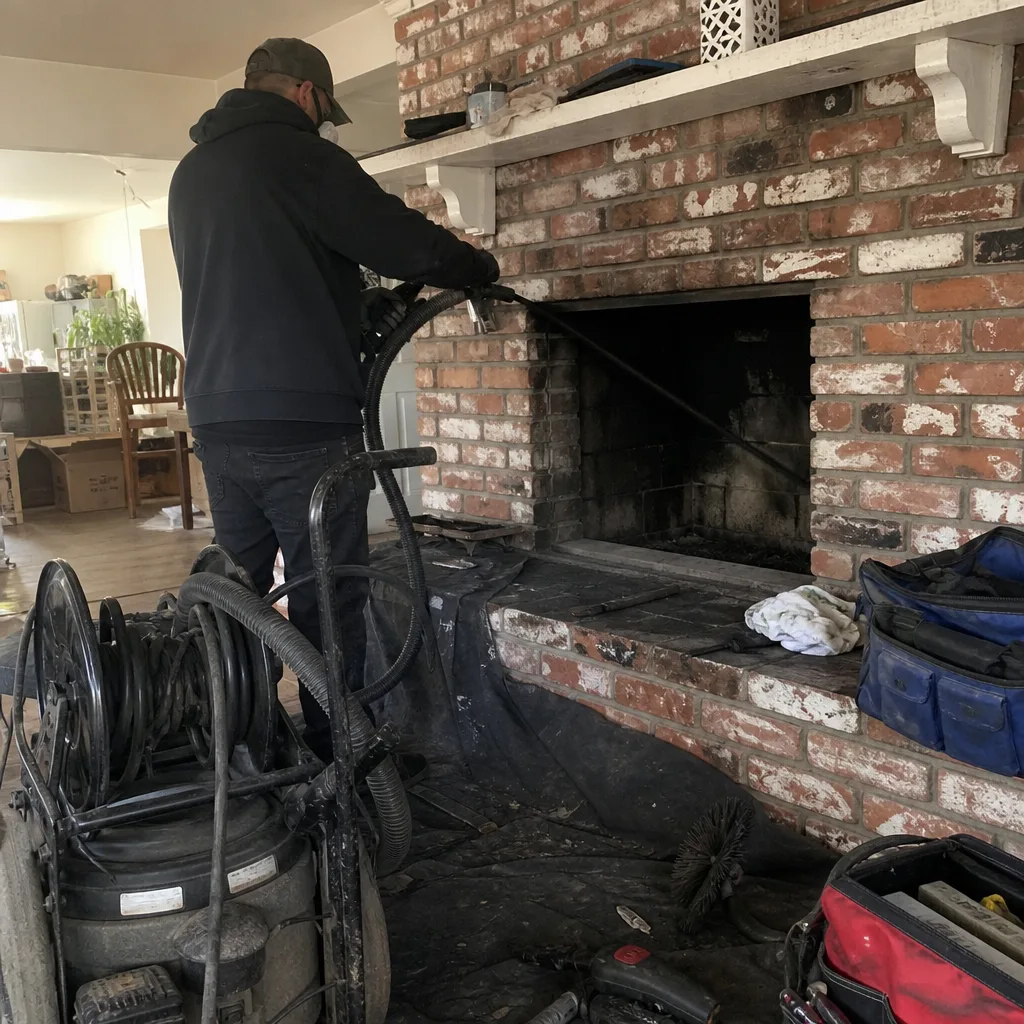 Before
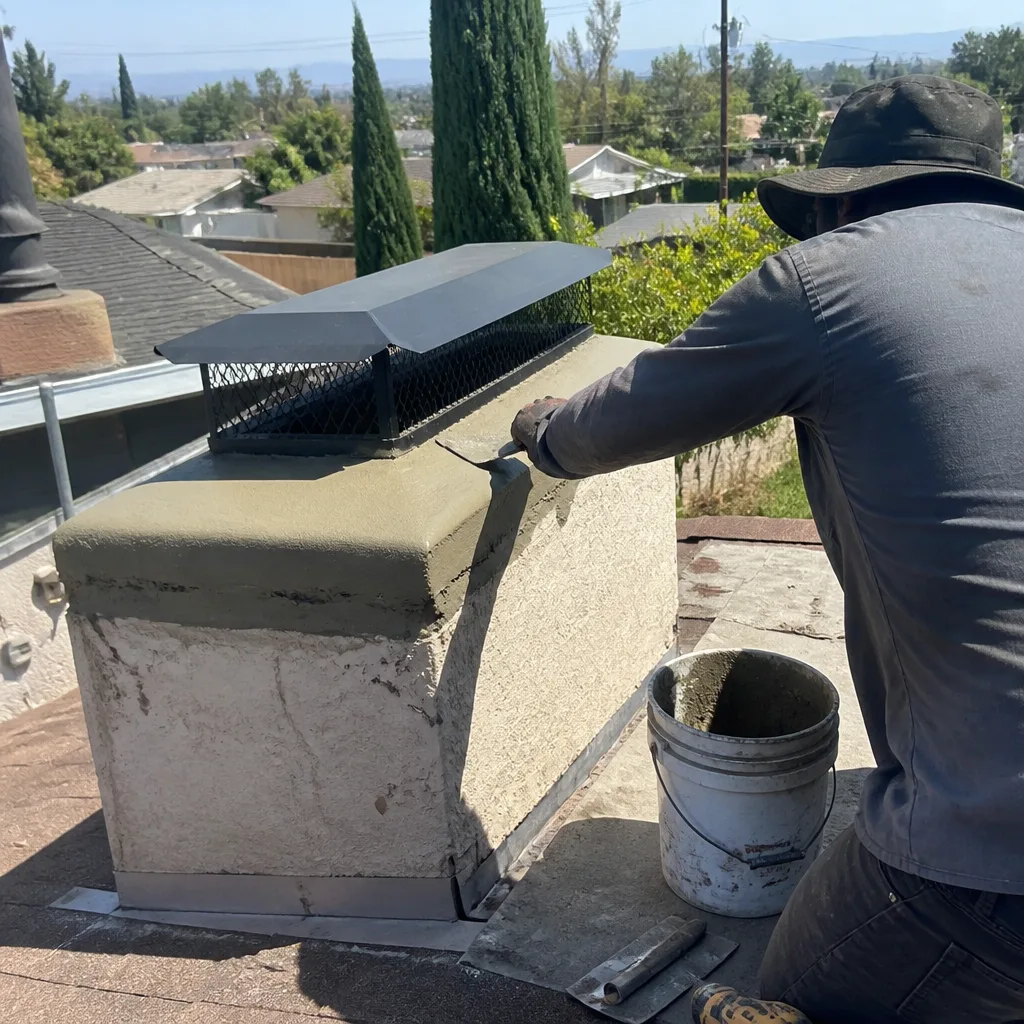 After
After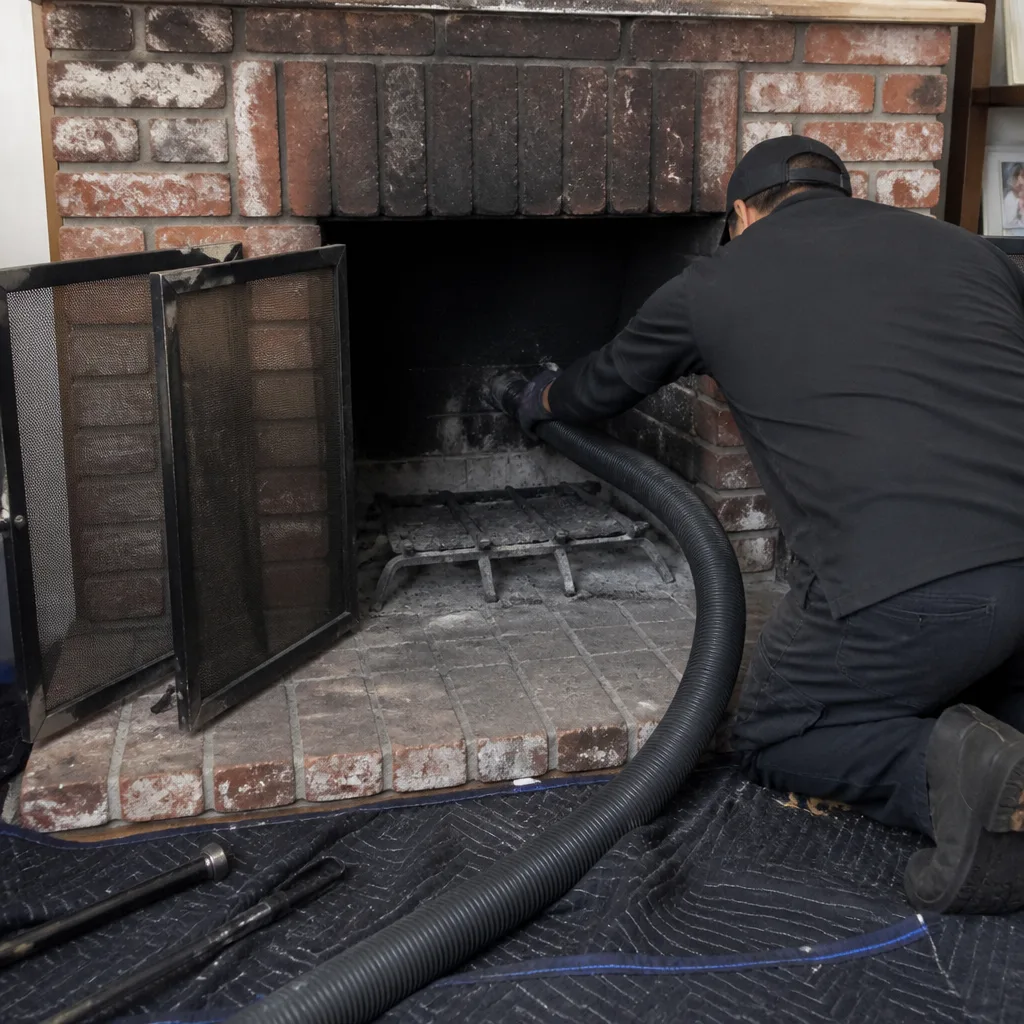 Before
 After
After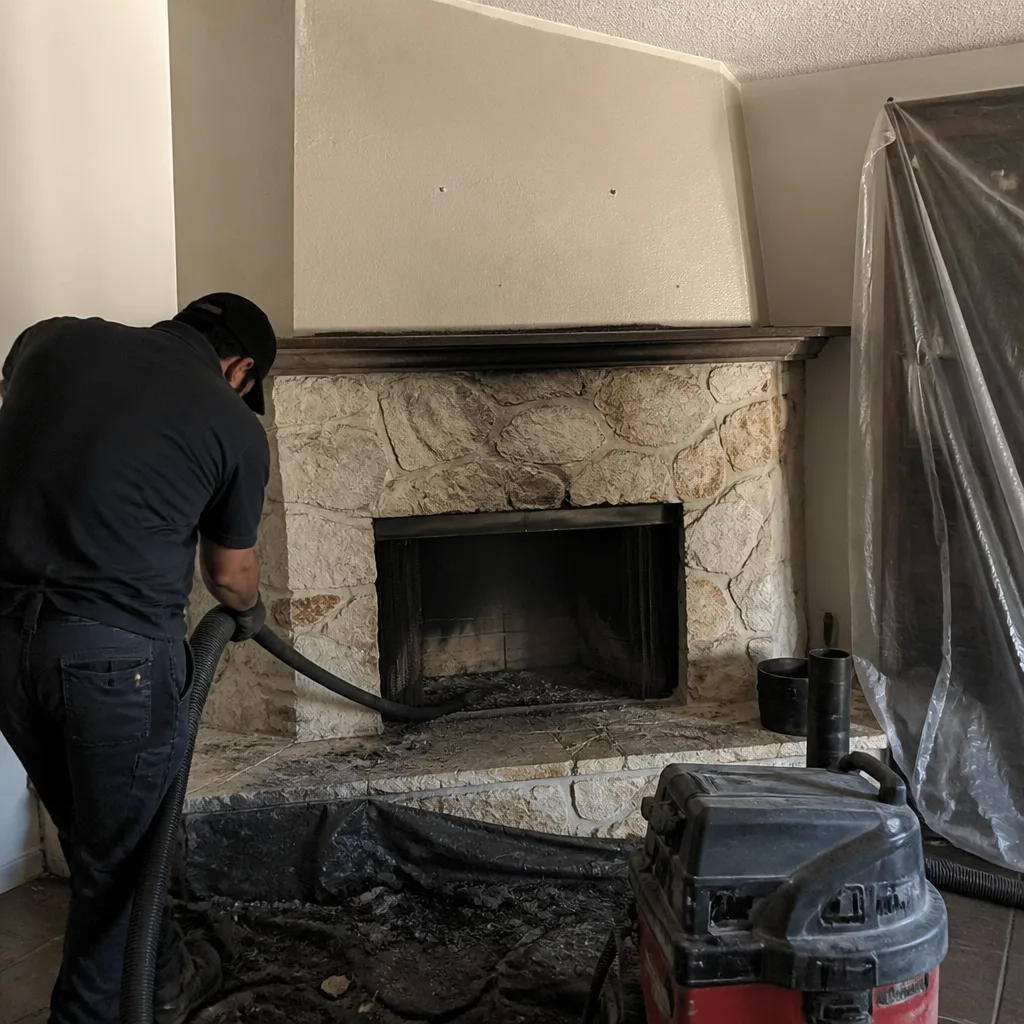 Before
 After
After