
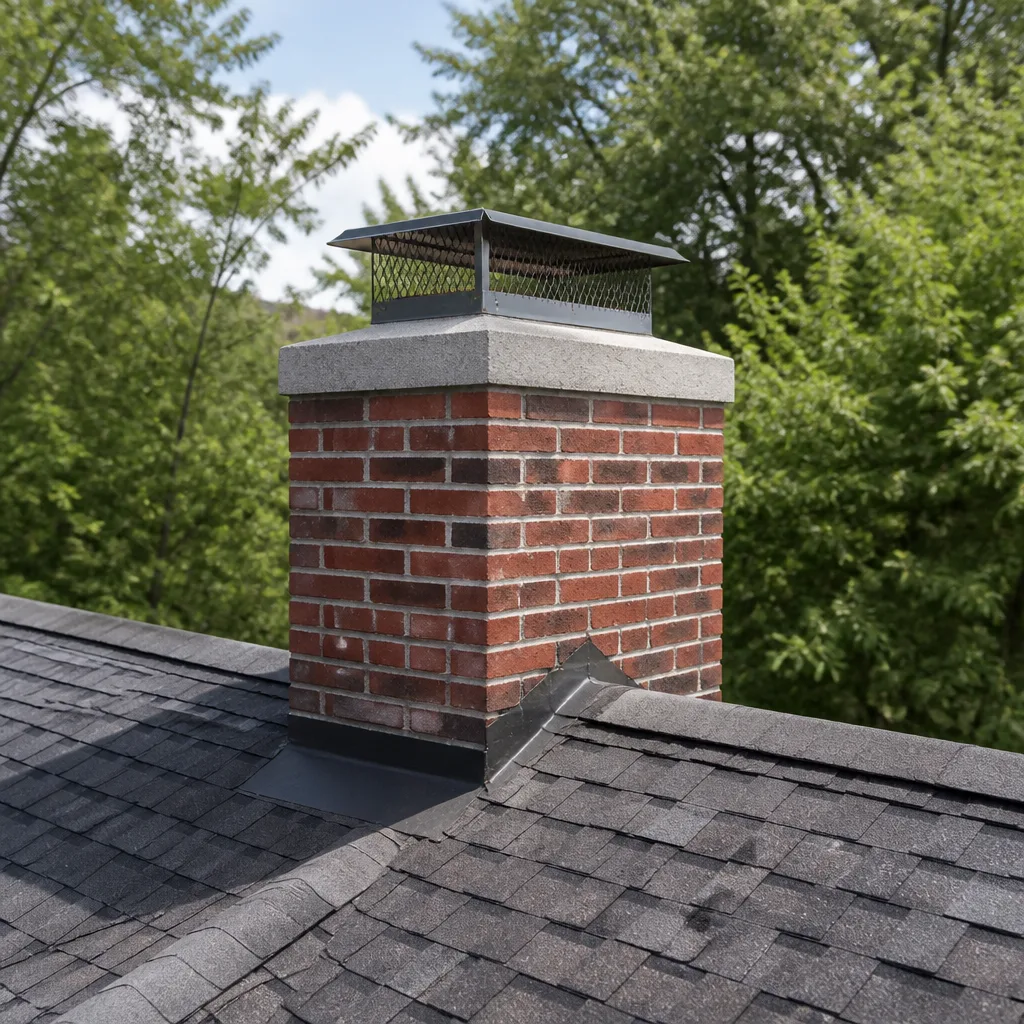
 Sweep & inspection
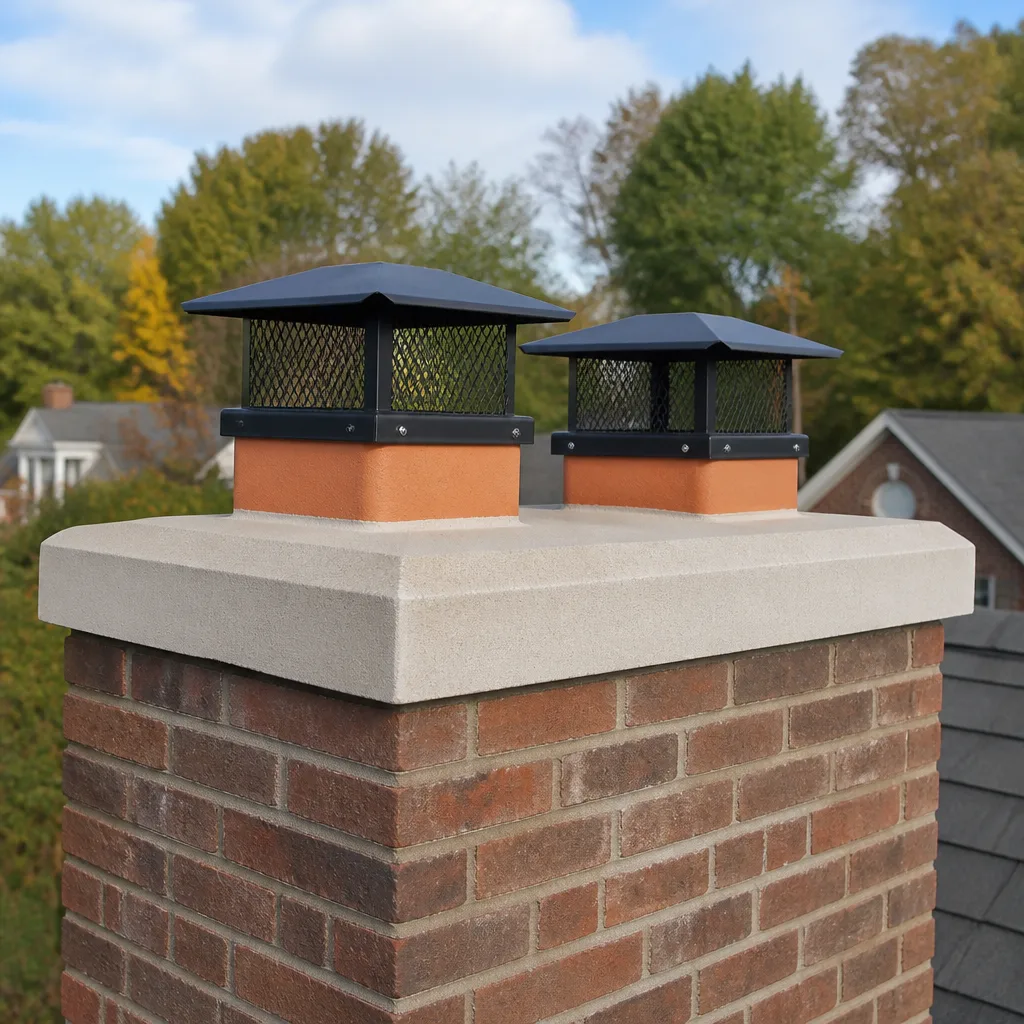 Caps & crowns
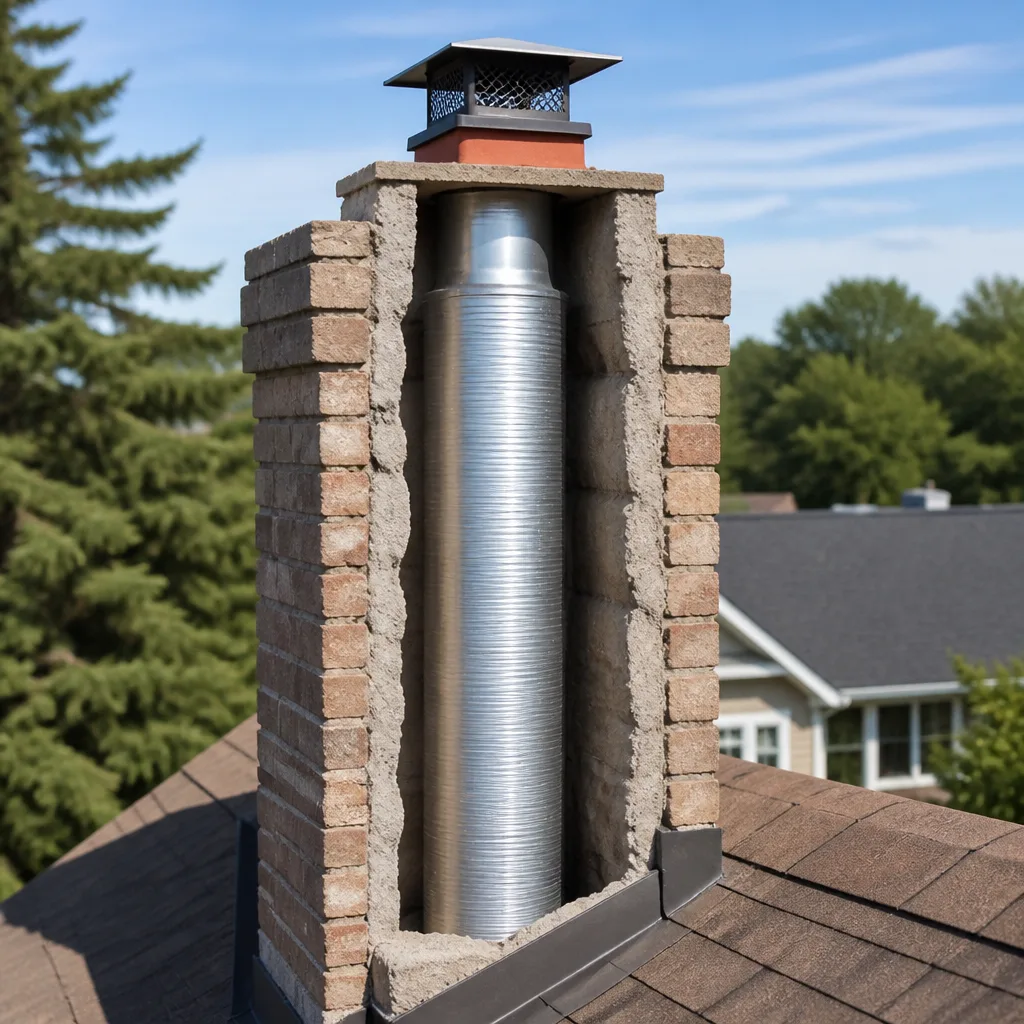 Flue relining
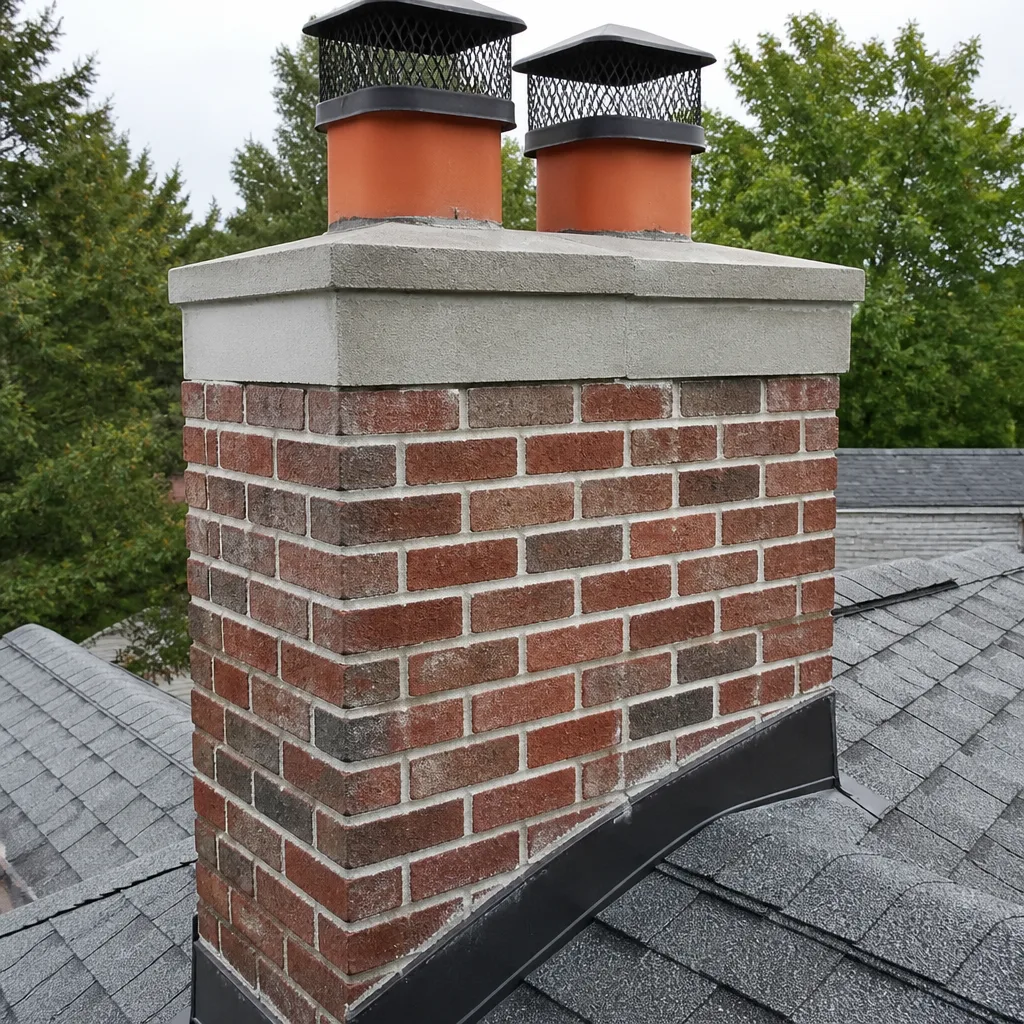 Masonry repair
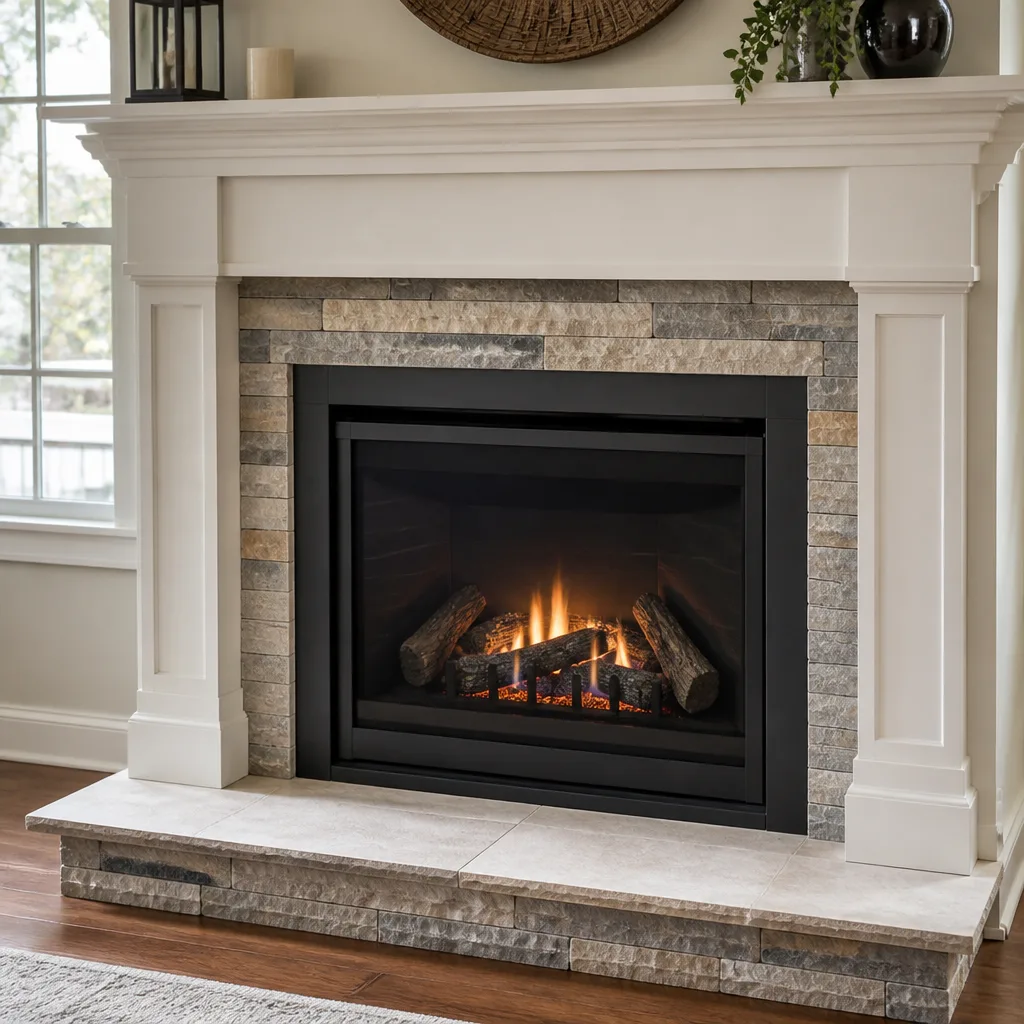 Gas fireplace service
Level 1 sweep and inspection to the NFPA 211 annual standard - flue, crown, cap, and flashing checked and photographed
Chimney sweep logs do not sweep chimneys. They loosen some creosote - which then falls where a brush and vacuum still have to collect it.
HeatShield Chimney Cap Installation: The West Covina Owner’s Guide
Most HeatShield chimney cap installations in West Covina run between $380 and $720 installed, depending on the cap size, liner diameter, and whether the existing mounting collar is reusable. We stock HeatShield-compatible caps on the truck and can usually complete the swap in under an hour on the roof. The way most owners find out their cap has failed isn’t dramatic: it’s a rust stain on the chimney crown after rain, a cap that’s shifted off-center, or sparks landing on the roof on a windy night. When the cap’s mesh screen rusts through or the lid warps from heat, it stops doing its two jobs: keeping rain out and keeping sparks in.
Which HeatShield Models This Applies To
HeatShield caps are engineered to pair with HeatShield’s resurfacing system, but the physical mount matters more than the marketing name. We see these caps on flues that have gone through the HeatShield Cerfractory process: a cast-in-place liner restoration that rebuilds the flue from the inside. The cap sits on the existing clay tile crown or a stainless adapter collar, typically in diameters from 6″ to 13″ depending on the original flue size.
Here’s the compatibility gotcha most people don’t know: a HeatShield cap from a flue that was resurfaced to 8″ will not seat properly on a crown that still has a 10″ clay tile opening unless the original crown was re-cut during the liner work. If the crown wasn’t resurfaced to match, you’ll need an adapter plate, not just a new cap. That adapter is a $60 to $110 part most homeowners never budget for. We keep 7″ through 13″ caps and adapter plates on the truck, and Cory will physically measure the crown opening before he quotes anything. HeatShield is a trusted brand in the chimney restoration trade, and Hadley Chimney West Covina is an independent service provider, not affiliated with HeatShield. We’re simply picky about the parts we’ll put on a roof, and HeatShield’s stainless caps hold up in Southern California’s sun without warping the way cheaper galvanized caps do.
Styles & brands we work with
Signs Your HeatShield Chimney Cap Installation Is Failing
- Rust streaks on the chimney crown. This is the #1 failure we see in West Covina. The cap’s steel body begins oxidizing at the weld points, especially where the mesh screen meets the frame. What you’re looking at on the outside is what’s happening inside too: rust means the metal’s integrity is thinning and pinholes are next.
- The cap has shifted or sits off-level. Santa Ana winds put real lateral force on chimney caps, and the mounting screws can back out over time. A tilted cap isn’t cosmetic. It leaves a gap for rain on one side, which means water entry into the flue and accelerated damage to any HeatShield resurfaced liner below.
- Debris inside the firebox. If you’re finding bits of rust, mesh fragments, or bird nesting material in the fireplace, the screen has torn or the frame has separated from the crown. Once the screen fails, birds and embers both have a clear path.
- Sparks or embers visible above the chimney on windy nights. That’s the spark arrestor mesh doing zero of its job. The mesh openings are too large or the screen has torn through. In a Wildland Urban Interface zone like parts of the San Gabriel Valley foothills, a failed spark arrestor isn’t a maintenance item: it’s a fire hazard that should be addressed before the next red flag warning.
- A cap that’s been on the roof longer than 12 to 15 years. Even a quality HeatShield stainless cap lives a hard life: marine-layer moisture in spring, 100°F days in summer, and wind-driven grit. The Southern California lifespan for a cap exposed to full sun is roughly a decade and a half. If you’re past that mark and seeing any of the above, the cap has already told you what it needs.
See the difference
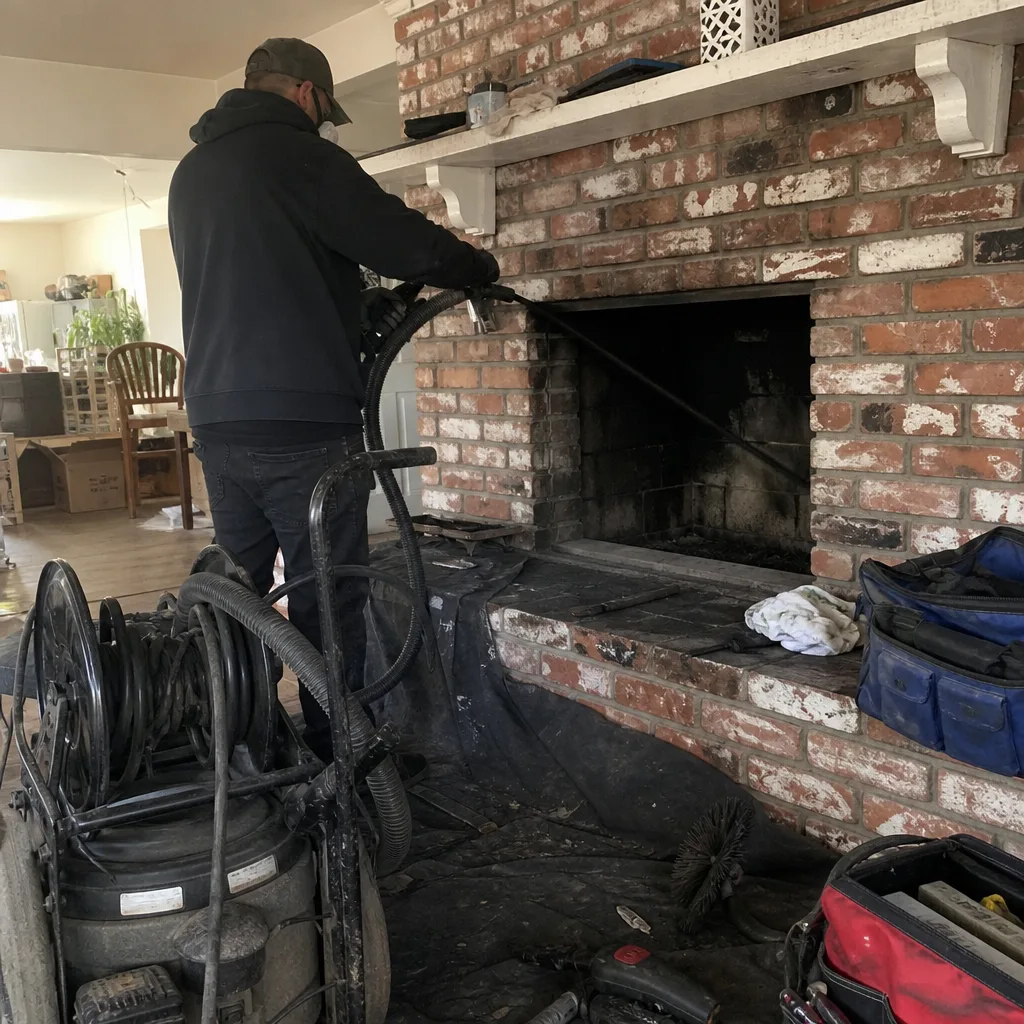 Before
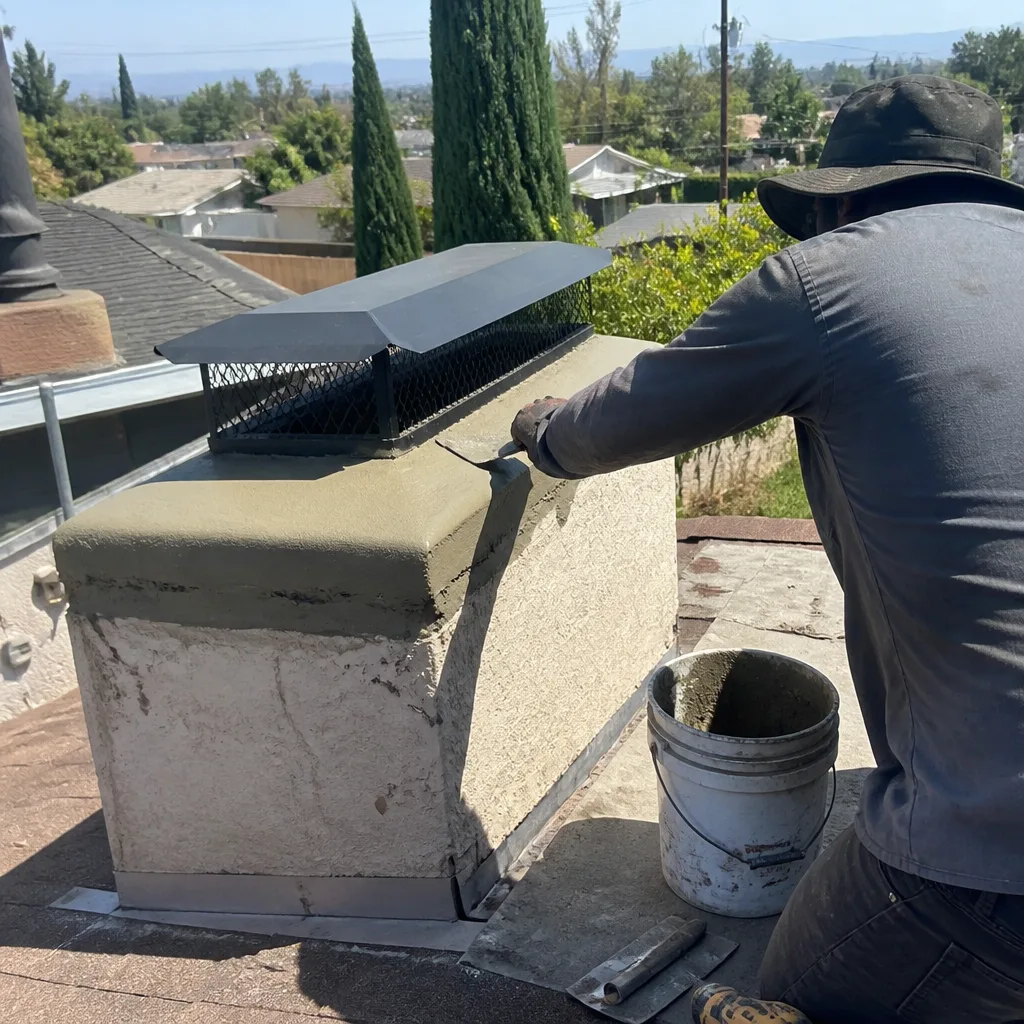 After
After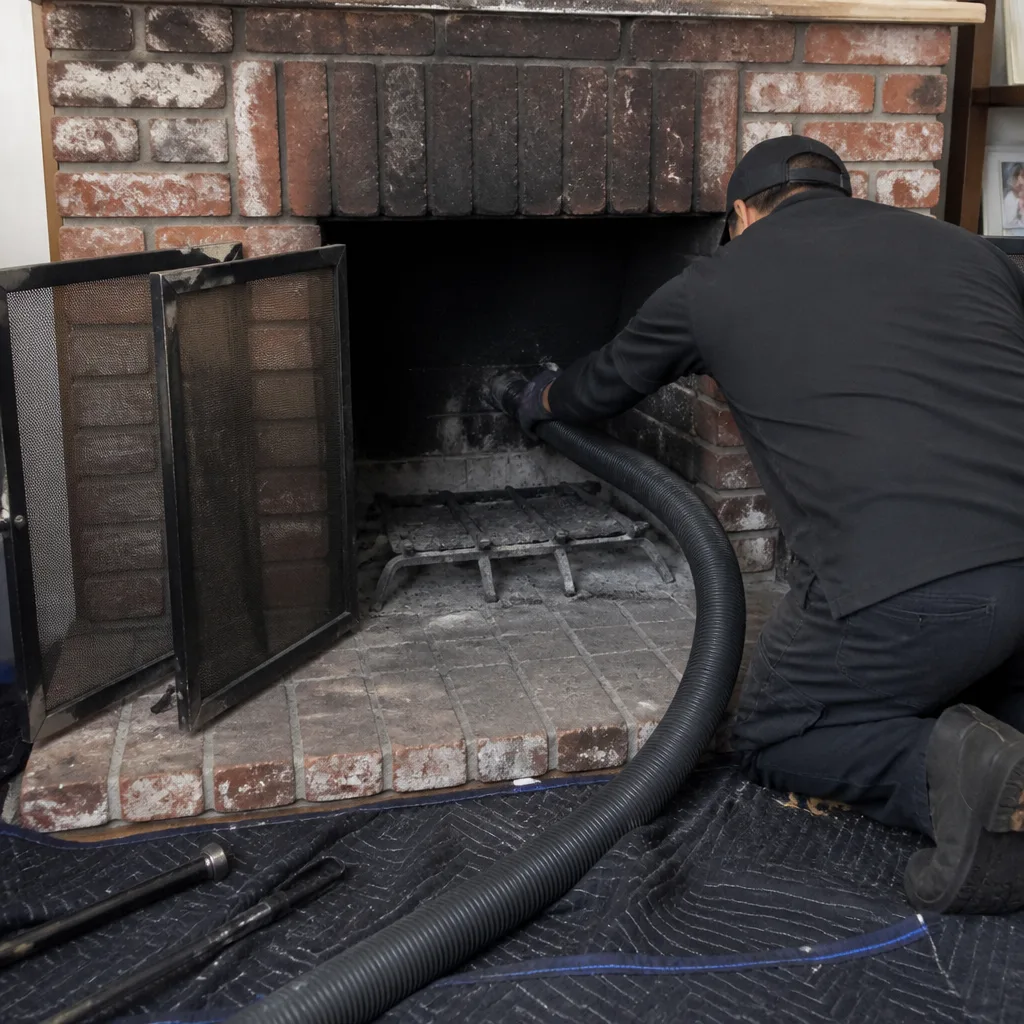 Before
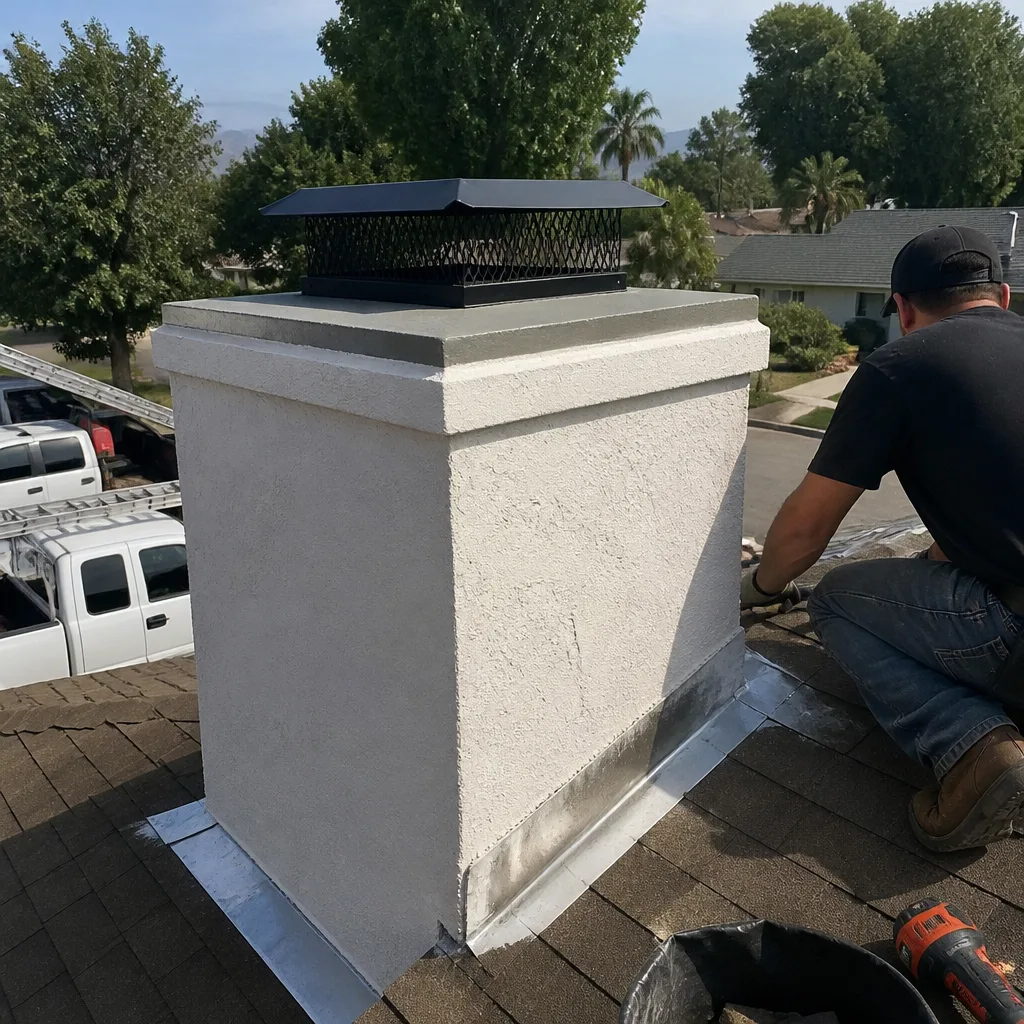 After
After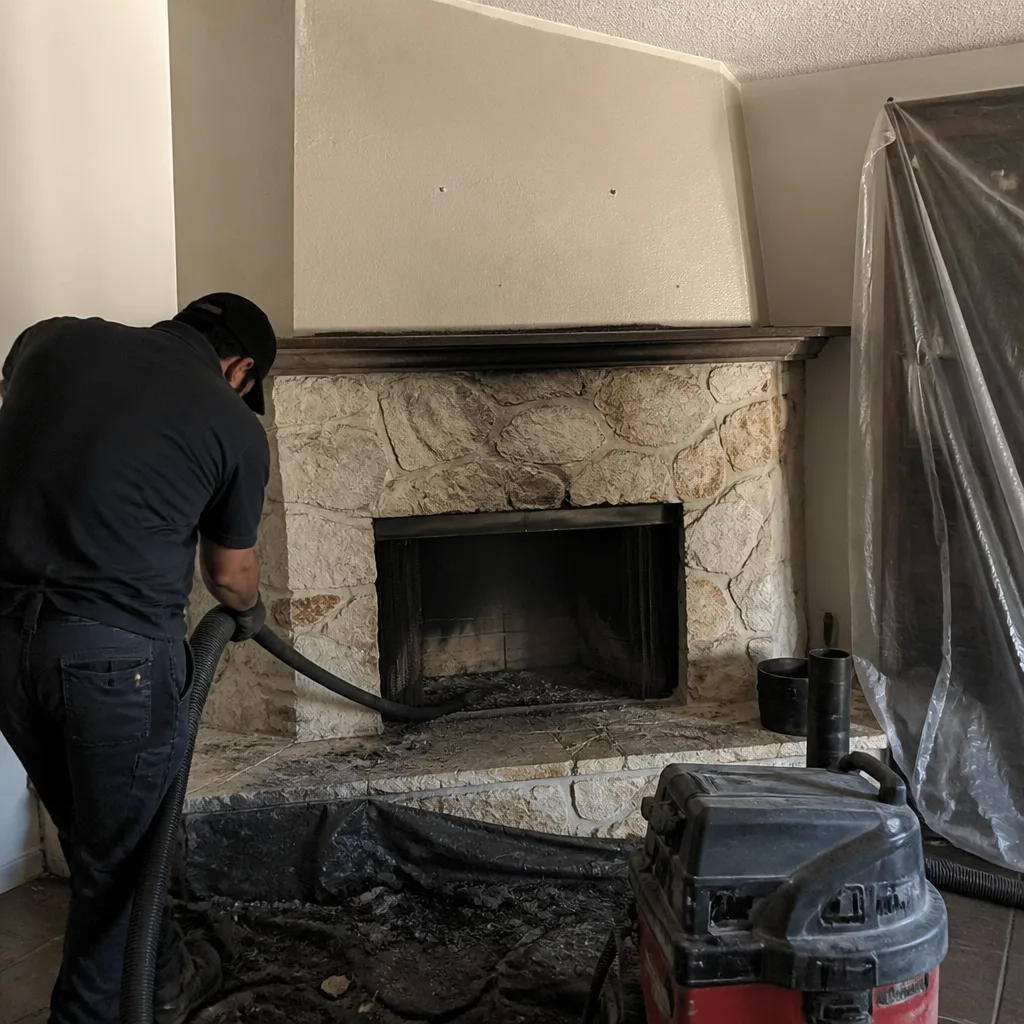 Before
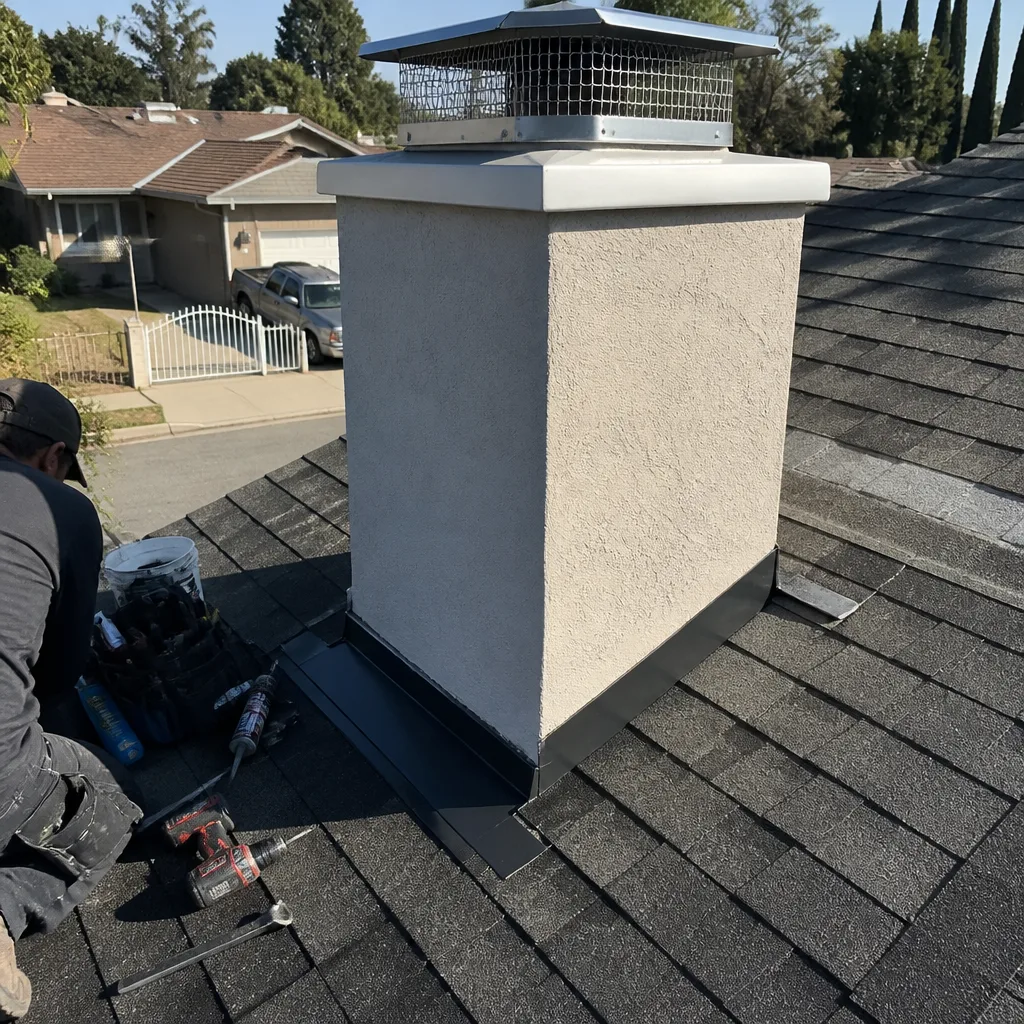 After
AfterReplacement Cost & What’s Included
In West Covina, you’ll typically pay between $380 and $720 for a complete HeatShield chimney cap installation. That includes the cap itself (most run $180 to $320 depending on diameter), the mounting hardware and any minor crown repair or adapter plate needed, plus the labor to get it seated correctly and secured. The range isn’t a mystery: a 7″ cap on a flat, clean crown is the low end, and a 13″ cap with a crown that needs some patching and an adapter plate is the high end. We give you a written price before anyone picks up a drill. The work is covered by our written guarantee on every repair, and if the cap install fails within 365 days, we come back and make it right at no charge under the Done Right Promise. That’s specific because it should be.
DIY or Call Us?
What you can safely check from the ground: whether the cap is visibly tilted, whether the mesh looks intact, and whether there’s rust staining around the crown. That’s it. The moment this job involves a ladder against a second-story roofline, we’re going to tell you not to do it. Steep-pitch roof work around a live flue isn’t the place to learn about tie-offs, and a fall is a genuinely life-changing injury. On top of the fall risk, a cap that’s installed even slightly off-spec means water gets in behind the crown, and you won’t see that damage until it’s a four-figure repair. A chimney cap on a two-story West Covina tract home is a job for someone who’s on roofs in this city weekly. If you’re on the fence, call (661) 402-9036 and we’ll give you a straight answer over the phone, including what the photo will show you once we’re up there. Cory says it this way: “I’ll show you the photo first. Then we’ll talk.”
FAQs
A HeatShield stainless cap in West Covina typically lasts 12 to 15 years before the screen welds start to rust or the lid warps from heat and sun. You’ll get longer life if the crown sealant is maintained, and shorter life if the cap is in full sun without shade, which describes most of the flat lots in town. Call (661) 402-9036 for an exact assessment; we’ll tell you if the cap has another year in it or if you’re past the point where replacement is cheaper than repair.
A cap with minor surface rust or a loose mounting screw can sometimes be patched and re-seated, but we rarely recommend it. Once the mesh has torn or the frame has warped, repair costs approach replacement pricing, and you’re left with a cap that still has 12 years of wear on it. We’ll tell you plainly when a repair makes sense, and we’ll show you the photo that backs up the recommendation.
For a standard HeatShield cap swap in West Covina, expect 45 to 75 minutes on site. That includes roof setup, removing the old cap, measuring the crown opening, installing the new cap and any adapter plate, then sealing and documenting the work. If the crown needs patching or the flue opening has to be re-cut, add another 30 to 60 minutes.
We stock 7″ through 13″ HeatShield-compatible stainless caps on the truck, plus the common adapter plates for West Covina’s older clay-tile chimney crowns. We also carry parts from DuraFlex and Gelco for related liner and crown work. In most cases, we can complete the install on the first visit, not on a return trip two weeks out.
Written by Cory Mitchell, Owner, Hadley Chimney West Covina at Hadley Chimney West Covina, serving West Covina and nearby areas.