
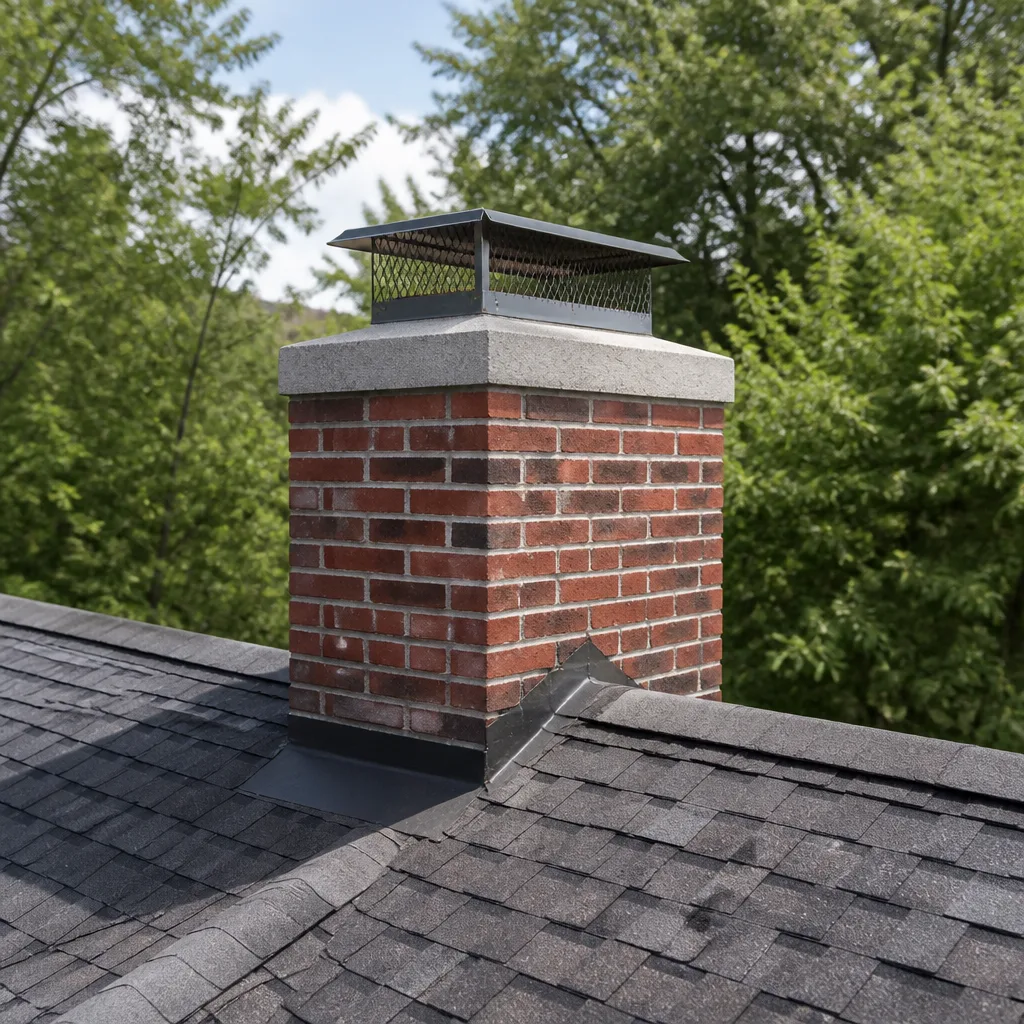
 Sweep & inspection
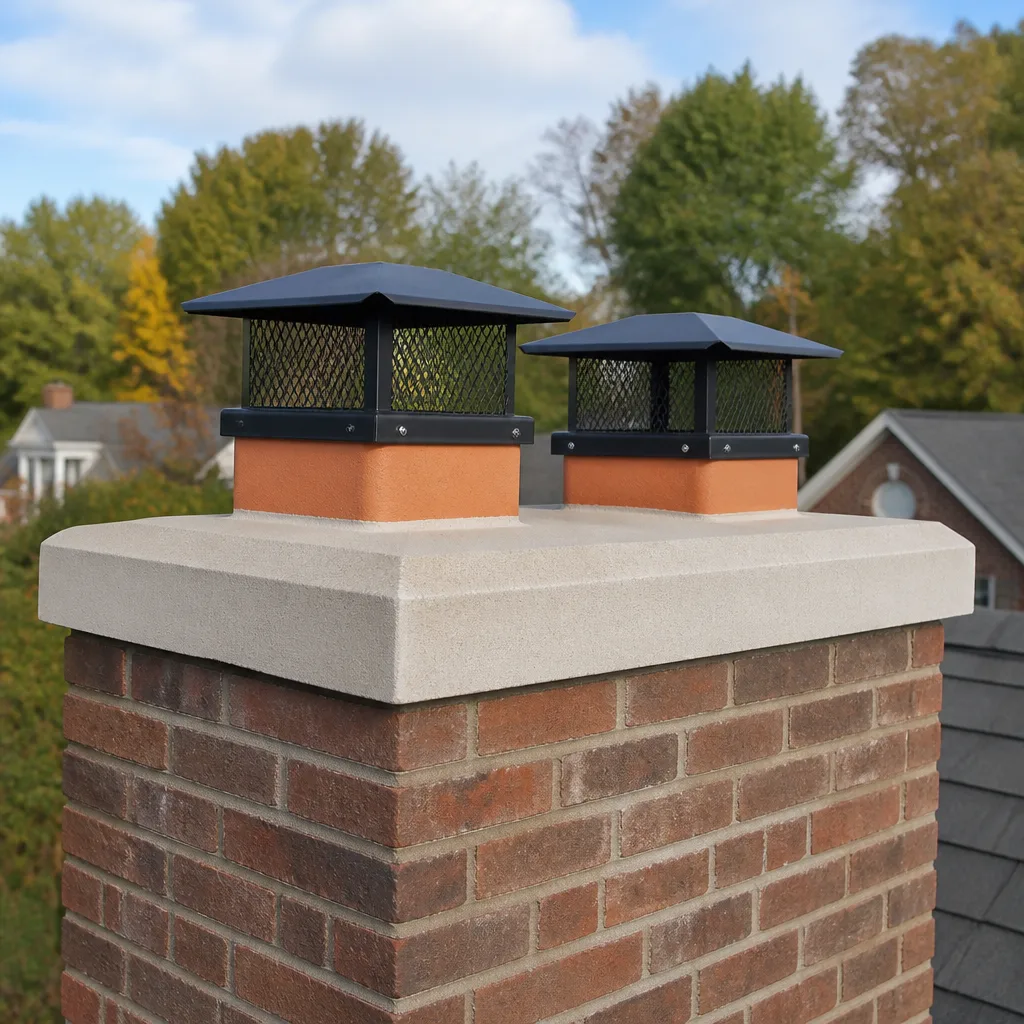 Caps & crowns
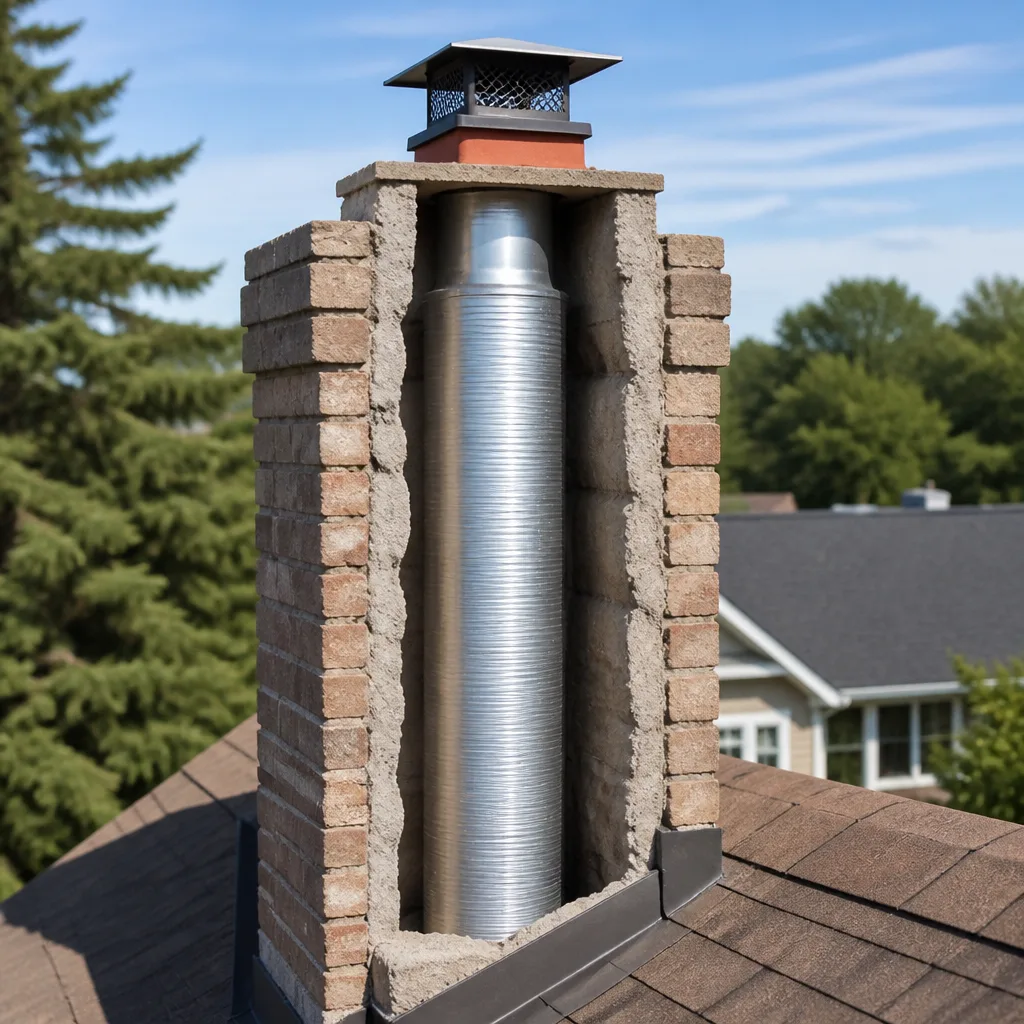 Flue relining
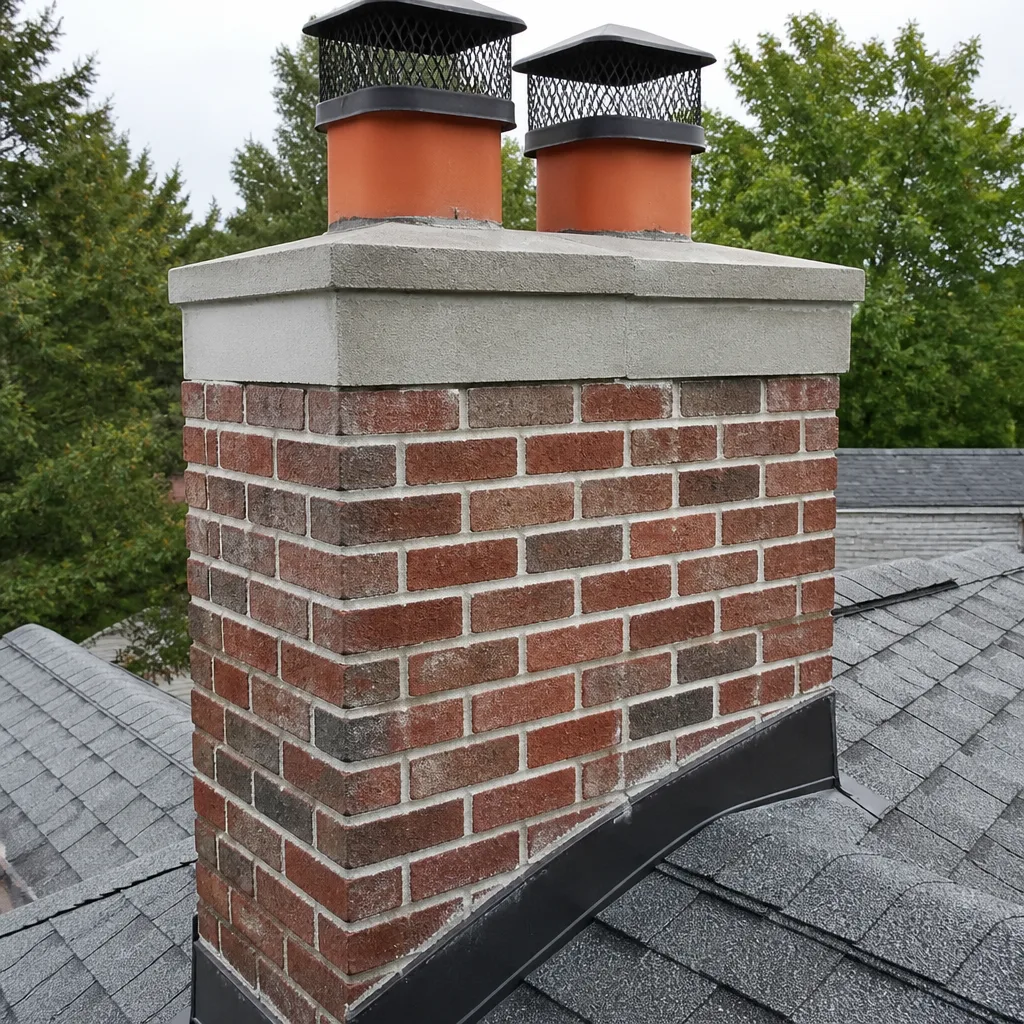 Masonry repair
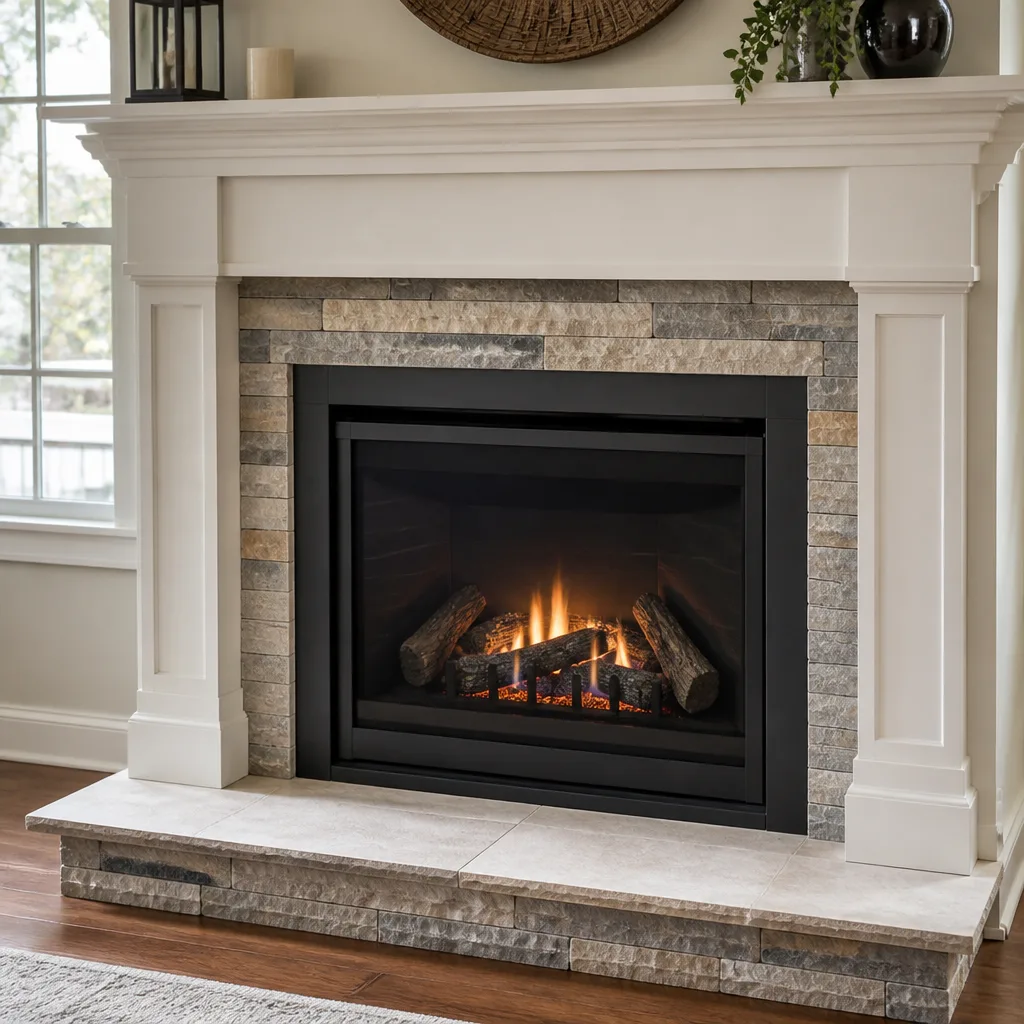 Gas fireplace service
Level 1 sweep and inspection to the NFPA 211 annual standard - flue, crown, cap, and flashing checked and photographed
Chimney sweep logs do not sweep chimneys. They loosen some creosote - which then falls where a brush and vacuum still have to collect it.
Olympia Chimney Chimney Cap Installation: The West Covina Owner’s Guide
If you have an Olympia Chimney cap that’s rusted through, blown off in a Santa Ana wind, or leaking around the base, we can match the replacement to your existing flue and install it the same visit in most cases. Installed Olympia Chimney-compatible cap work in West Covina typically runs $280 – $490 depending on flue size, roof height, and whether the mounting base needs repair. Most homeowners discover the problem after a storm, when they notice water stains on the ceiling near the fireplace or hear a metallic rattle from the roof deck on windy nights.
We carry Olympia Chimney caps and components on our trucks, and we also work with aftermarket equivalents that fit Olympia flue dimensions when the OEM part is backordered or priced for specialty shipping. The real question with an Olympia cap is almost never the cap itself. It’s what the old one was attached to, and whether the flue tile beneath it has started to spall or crack. Cory Mitchell will show you the photo first. Then we’ll talk.
Which Olympia Chimney Models This Applies To
Olympia Chimney makes caps for both masonry chimneys and factory-built fireplace systems, and the mounting style matters more than the brand name stamped on the lid. Their masonry caps generally fit standard square and rectangular terra cotta flue tiles, with tension bolts that expand against the flue’s interior wall. Common sizes we install in West Covina run from 8″×8″ through 13″×13″, but the right fit depends on the outside dimension of the flue tile, not the chimney’s exterior chase. That’s the single most common mistake we see: someone buys a cap by measuring the decorative shroud or the brick opening, then finds it doesn’t seat against the flue at all.
For factory-built systems, Olympia caps match specific pipe series, and getting the wrong diameter means the cap won’t draw properly because it sits either too loose or too snug against the pipe termination. We check the flue inner and outer diameter, the pipe’s brand stamp if visible, and whether the existing cap is a slip-in or twist-lock model. When an OEM Olympia cap is discontinued or on indefinite backorder, we’ll often spec a Gelco or Copperfield equivalent that matches the flue dimensions, since those brands build to the same industry tolerances. There is no single “universal” cap that works across all series, no matter what the box label says.
Styles & brands we work with
Signs Your Olympia Chimney Chimney Cap Installation Is Failing
- Water staining on the chase top or ceiling near the fireplace. This usually means the cap’s spark arrestor screen has torn and rain is finding its way down alongside the flue, or the cap’s seal against the flue tile has failed. The water follows the flue liner and pools at the first horizontal surface.
- Rattling metal on windy days. The tension bolts that hold an Olympia masonry cap in place loosen over time as the flue tile expands and contracts with heat cycles. A loose cap will eventually lift off in sustained Santa Ana winds, and a 12-pound cap traveling off a roof isn’t a thing you want to be under.
- Soot staining or heavy creosote (the flammable tar buildup that makes chimneys a fire risk) on the cap’s mesh. That mesh is the chimney’s spark arrester. When it clogs, your fireplace drafts worse and the risk of embers carrying out onto the roof goes up.
- Rust, flaking powder coat, or holes in the cap hood. West Covina’s smog and occasional salt-bearing coastal air accelerate corrosion on steel caps that stood up fine in dryer markets. Once the steel’s protective layer goes, the cap gets thin fast.
- Animal activity in the flue. If raccoons, squirrels, or a starling has gotten past the cap, the cap’s screen mesh is torn or the cap has shifted. This is also a carbon monoxide risk if the chimney serves a gas appliance.
See the difference
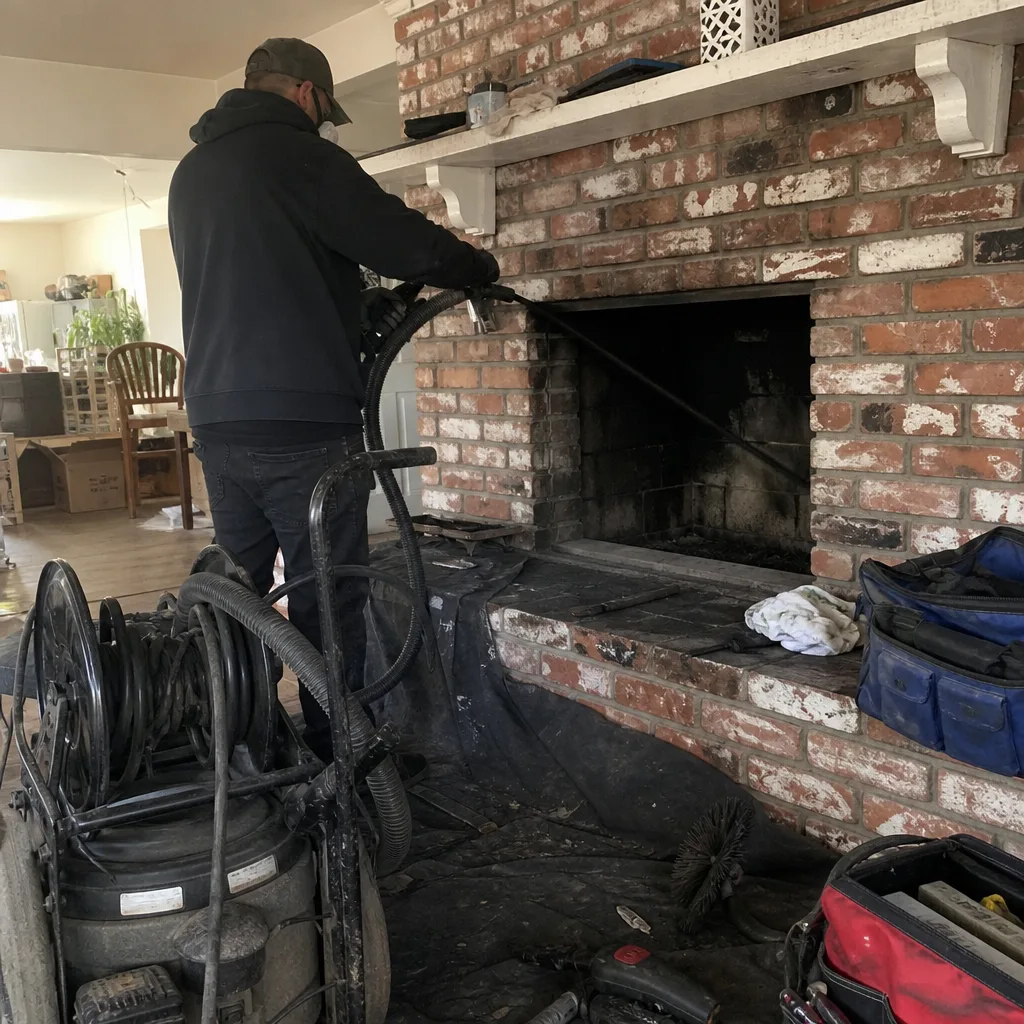 Before
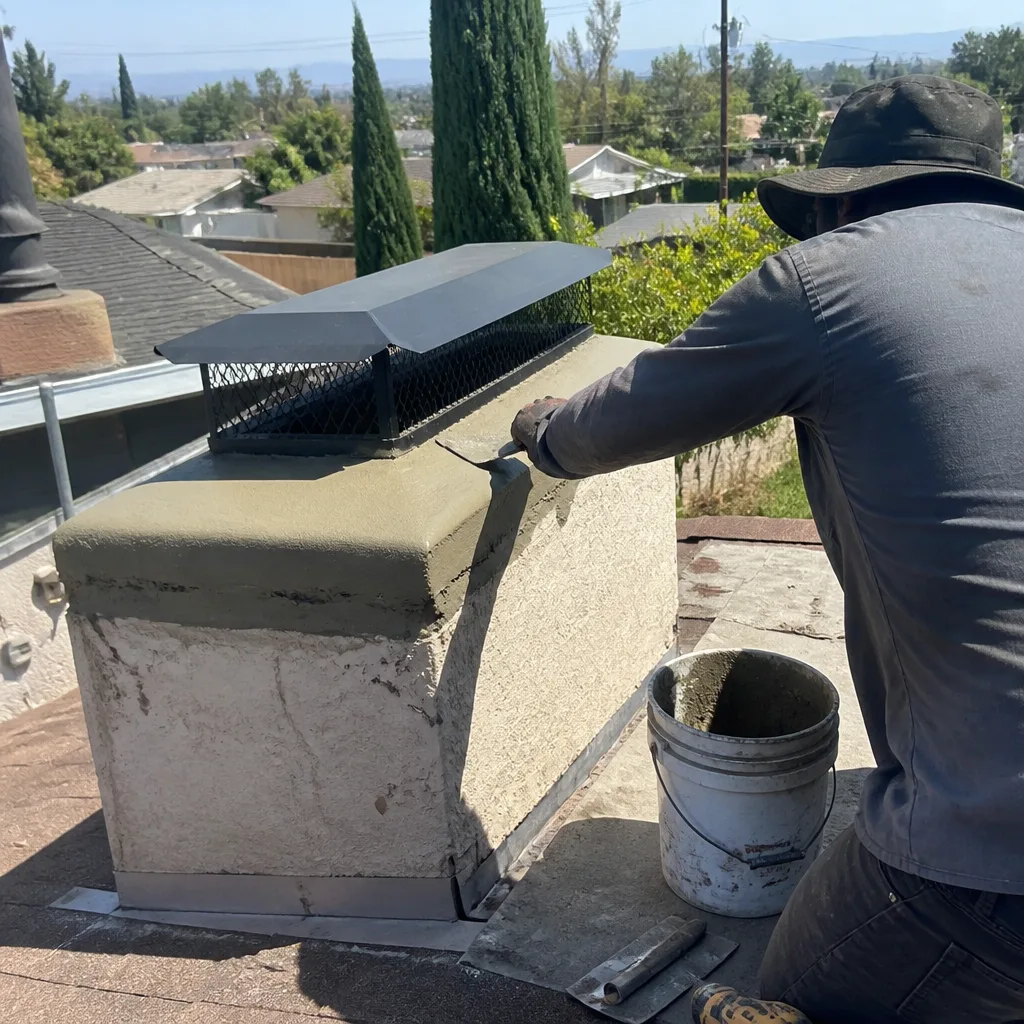 After
After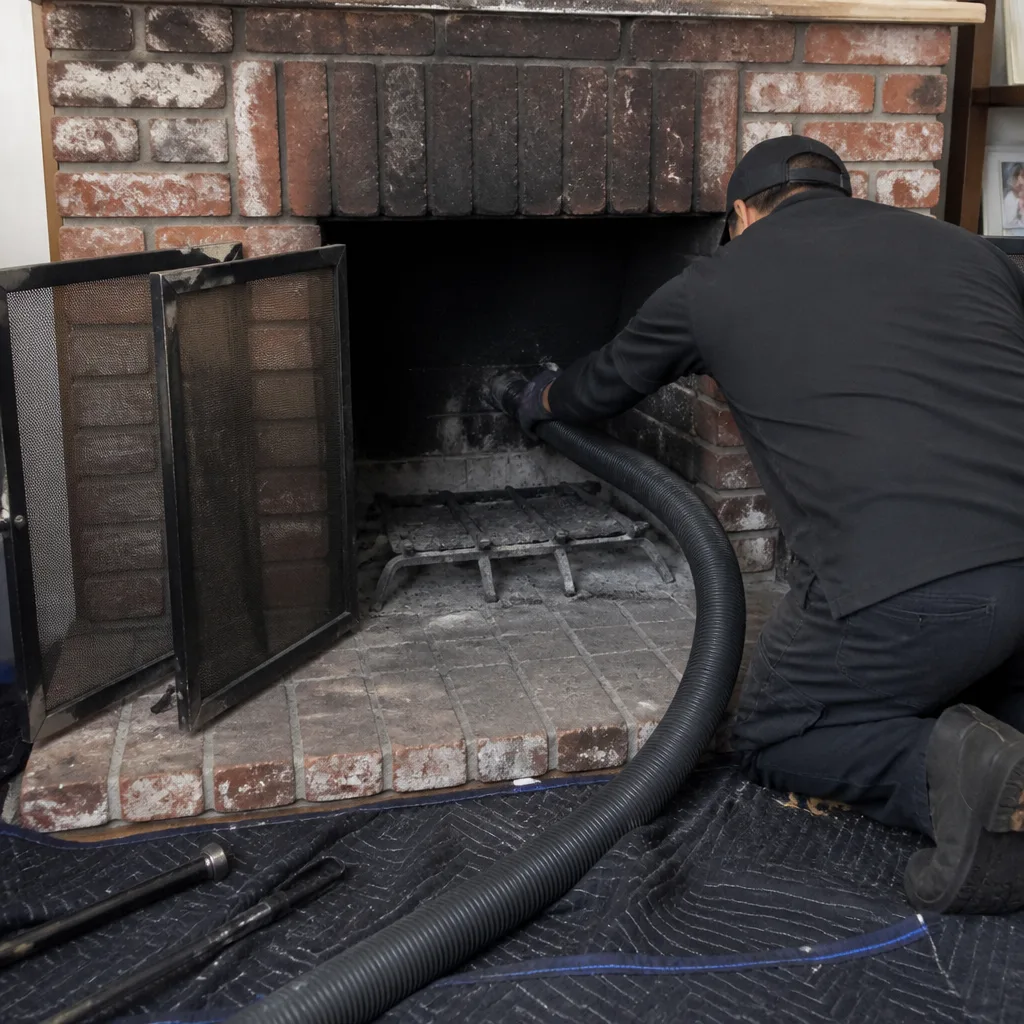 Before
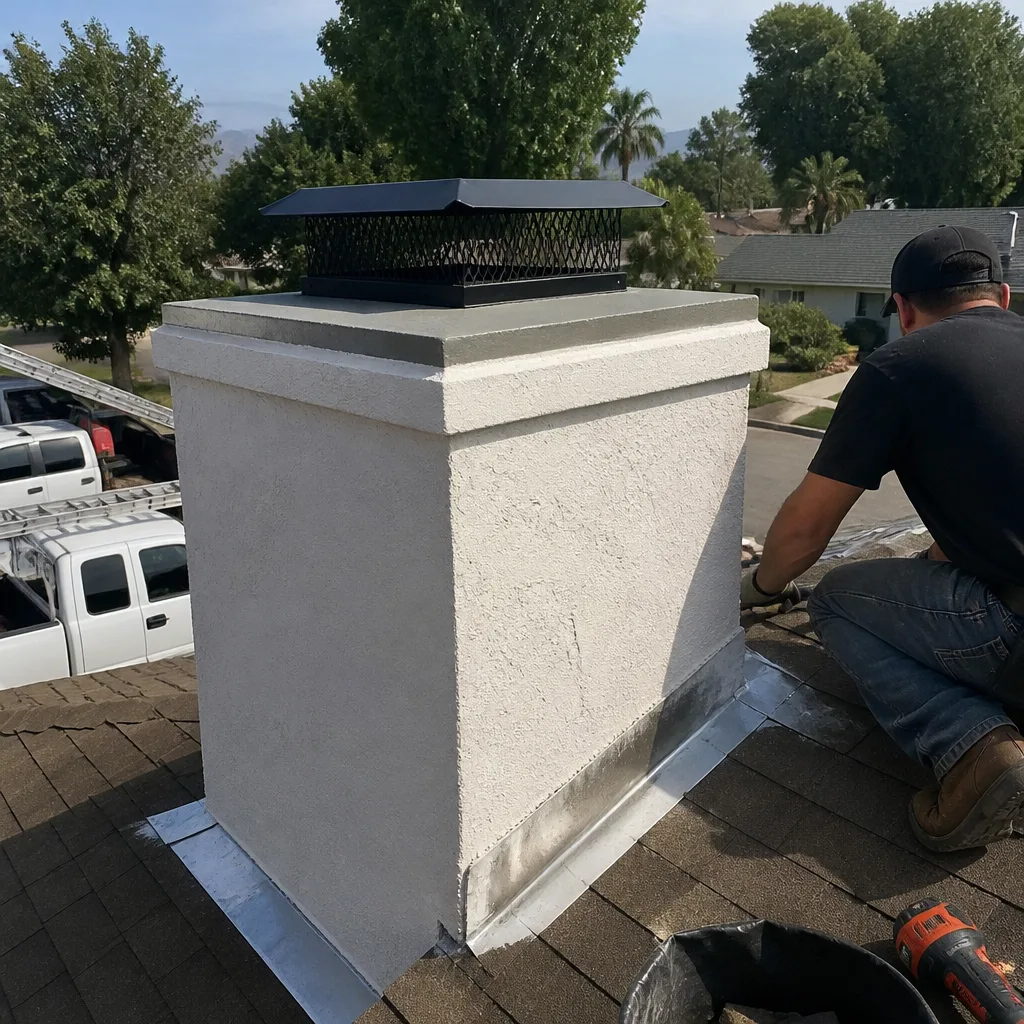 After
After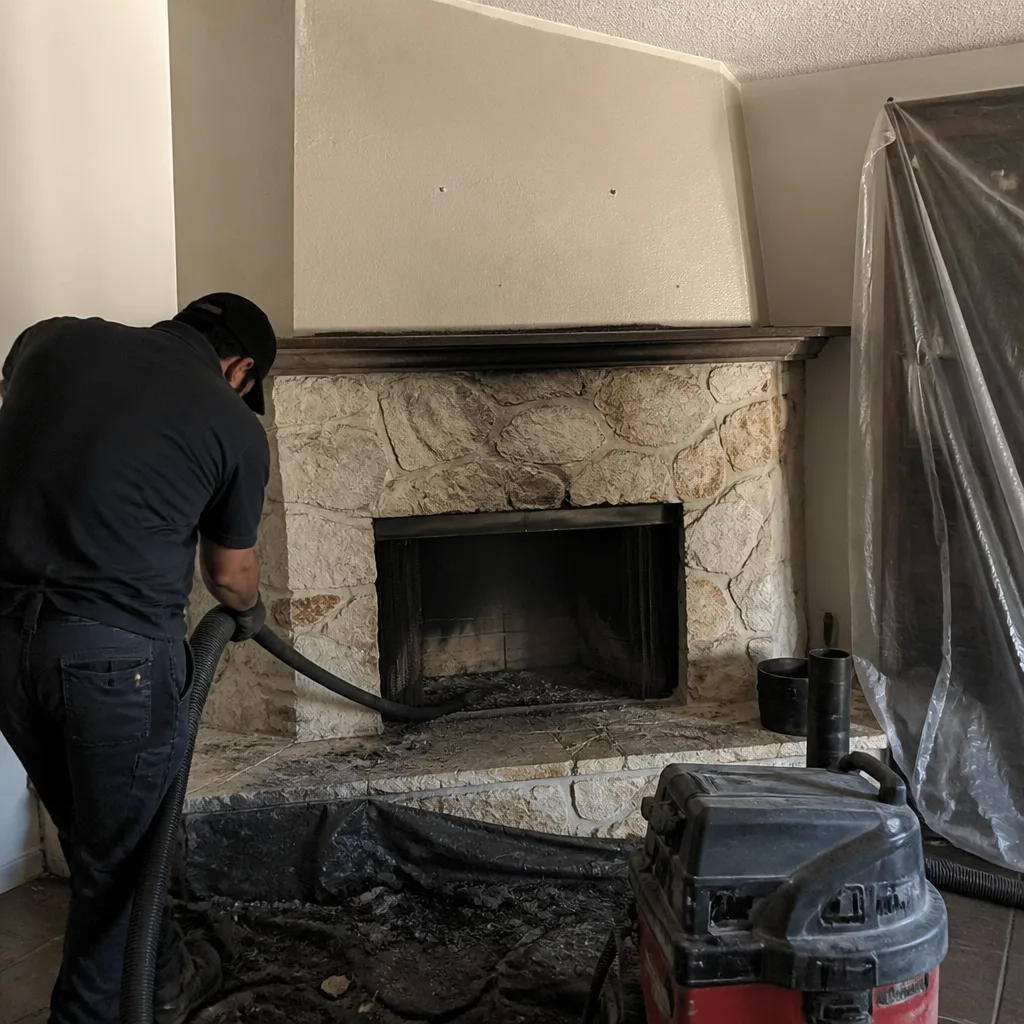 Before
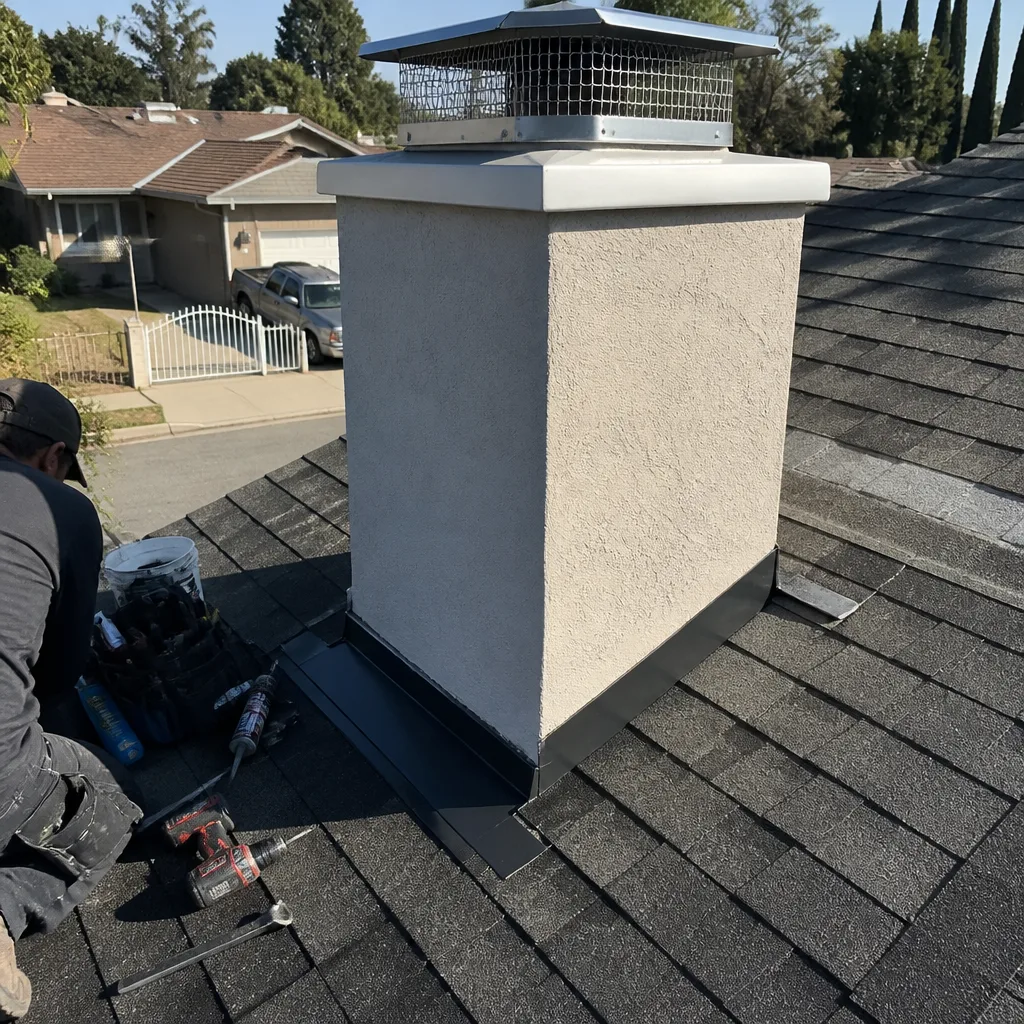 After
AfterReplacement Cost & What’s Included
Here’s what Olympia Chimney cap installation costs in West Covina, based on the chimneys we see around town:
- Standard masonry flue cap, single flue, easy access: $280 – $380 installed
- Multi-flue cap or custom chase top cover: $420 – $650 installed
- Factory-built chimney Olympia cap match: $310 – $460 installed
- Flue tile repair or seal work needed before mounting: add $150 – $400
The range comes down to flue size, roof pitch, and whether the flue tile’s edge is in good enough shape to clamp a cap onto. We bill the cap and the labor as one line so you know the whole number before we go to the truck. Every cap install includes a written guarantee and the 365-Day Done Right Promise: if it’s not right, we make it right, including a free second visit if the repair fails. We never install a cap without showing you a photo of the flue condition first, with the old cap removed, so you can see exactly why the old one failed and what the new one’s grabbing onto.
DIY or Call Us?
If your chimney is accessible from a shallow-pitch roof and the cap simply needs re-clamping, some homeowners swap their own caps with a ladder and a socket wrench. What you can safely check from the ground: whether the cap looks tilted or shifted, whether mesh is missing, and whether you can see rust from the yard. What’s genuinely not safe: working on a two-story West Covina roof with a clay tile surface, leaning over a flue, or discovering midway through that the flue tile’s top edge is crumbling and needs repair before the new cap can anchor properly.
The problem children are always the same. The flue tile appears fine until the old cap comes off and you find the top course spalled. The tension bolts strip because the old cap is a knockoff. The ladder is just barely tall enough. We do this work weekly across the San Gabriel Valley, and if your home has a steep roofline or Spanish tile, the honest answer is to call (661) 402-9036 and let us do it. That number gets a live person, not a voicemail queue.
FAQs
In our climate, expect 8 to 14 years from a steel cap before rust or screen failure sets in, with the low end for units facing year-round southern sun and the high end for shaded or stainless units. After 14 years, the steel is generally thin even if the cap still looks passable from the yard. Call us for a free visual check before you spend money on a replacement.
Sometimes, yes. A loose cap with intact steel and an undamaged screen can often be re-clamped, and minor surface rust can be treated, but we’ll show you the photo and let you decide before we recommend spending money. Once the spark arrestor mesh is torn or the hood has holes, replacement is almost always cheaper than a weld-and-coat repair.
Most standalone cap swaps take 45 to 90 minutes including roof setup and flue inspection. If the flue tile needs edge repair, expect a second visit or add 45 minutes to the job, and we’ll tell you which before work begins.
Yes, we carry common Olympia masonry cap sizes and several factory-built series matches, along with Gelco and Copperfield equivalents when a specific Olympia part isn’t available. If the exact part isn’t on the truck, we can usually have it within a few days and will send you a photo of the part and a written price before the return visit. Call (661) 402-9036 for an exact quote.
Written by Cory Mitchell, Owner, Hadley Chimney West Covina at Hadley Chimney West Covina, serving West Covina and nearby areas.